


Curved monitors are expensive due to their advanced technology and demand in the market, resulting in higher manufacturing costs. The unique curved design enhances viewing experience, creating a more immersive and realistic visual display.
This innovation requires complex engineering and specialized manufacturing processes, leading to increased production expenses. Additionally, the demand for curved monitors is higher compared to traditional flat-screen monitors, causing manufacturers to price them higher to maximize profits. As a result, the combination of advanced technology, unique design, and market demand contribute to the higher cost of curved monitors.
However, their popularity continues to grow, making them a desirable choice for those seeking an enhanced viewing experience.
The Rise Of Curved Monitors
Curved monitors have taken the tech market by storm in recent years, gaining a significant following among gamers, professionals, and even casual users. This rise in popularity can be attributed to several factors, ranging from the immersive viewing experience to the enhanced visual appeal. In this article, we will explore the reasons behind the increasing demand for curved monitors and why their prices tend to be on the higher side.
Exploring The Popularity Of Curved Monitors In The Market
Curved monitors have become a standout choice among users who crave an exceptional visual experience. The gentle curvature of these screens creates a more immersive viewing environment, allowing users to feel fully immersed in their favorite movies, games, or work tasks. The curvature, often described as gentle and natural, helps to provide a wider field of view, reducing eye strain and making the screen seem more lifelike.
Additionally, curved monitors offer a more uniform viewing experience, ensuring that all areas of the screen are equidistant from the viewer’s eyes. This reduces distortions and minimizes potential “edge distortion” experienced on flat screen monitors, providing a more pleasant and realistic visual experience.
Another reason behind the popularity of curved monitors is their ability to create a sense of depth within the displayed content. This enhanced depth perception can be especially beneficial for gamers, offering an immersive gaming experience with greater visual detail and accuracy. On the other hand, professionals in creative fields such as graphic design and video editing can benefit from the increased visual real estate, allowing for better multitasking and improved productivity.
How Curved Monitors Have Gained A Significant Following
Curved monitors have gained a significant following due to the many advantages they provide over traditional flat screens. One of the key factors contributing to their popularity is the increased sense of immersion they offer. By wrapping the display around the viewer’s field of view, curved monitors create a more engaging and captivating visual experience.
Beyond the immersive aspect, curved monitors have also garnered attention for their aesthetic appeal. The curved design adds a touch of elegance and futuristic charm to any workspace or gaming setup. This visual appeal, combined with the performance benefits, has made curved monitors highly desirable among consumers.
Moreover, manufacturers have recognized the growing demand for curved monitors and have responded by producing a wide range of options to cater to different budgets and preferences. With more choices available, consumers are increasingly finding curved monitors that suit their needs, further fueling their popularity.
In conclusion, the rise of curved monitors can be attributed to their ability to provide a captivating viewing experience with enhanced visual quality and aesthetics. The market demand for these monitors has enabled manufacturers to produce a wide variety of options, making them accessible to a larger consumer base. As the popularity for curved monitors continues to grow, we can expect to see improvements in technology and a wider range of affordable options becoming available in the market.
The Benefits Of Curved Monitors
When it comes to computer monitors, the curved display has become an increasingly popular choice. But why are curved monitors so expensive? The answer lies in the numerous benefits they offer, which make them worth the investment. In this section, we will explore the advantages of a curved display, including an immersive viewing experience, enhanced visual comfort and reduced eye strain, and improved depth perception and image clarity. Let’s dive in!
Advantages Of A Curved Display For Immersive Viewing Experience
One of the standout benefits of a curved monitor is the immersive viewing experience it provides. The curvature of the screen wraps around your field of vision, enveloping you in the content displayed. This greatly enhances your overall viewing experience, whether you’re watching a movie, gaming, or browsing through photos. The curved design creates a sense of depth and presence, making you feel as if you’re part of the action.
Enhanced Visual Comfort And Reduced Eye Strain
Aside from the immersive experience, curved monitors also offer enhanced visual comfort. The slight curvature of the screen matches the natural curvature of the human eye, resulting in a more comfortable and ergonomic viewing position. This eliminates the need to constantly adjust your focus and eye movements, reducing eye strain and fatigue. With a curved monitor, you can enjoy longer hours of screen time without experiencing discomfort.
Improved Depth Perception And Image Clarity
Another advantage of curved monitors is the improved depth perception they provide. The curved screen helps create a sense of depth, making images and content appear more lifelike and realistic. Whether you’re playing a game that requires precise spatial awareness or working on intricate design projects, the curved display enhances your ability to perceive depth accurately. Additionally, the curvature of the screen also minimizes image distortion and ensures consistent image clarity from different viewing angles.
Overall, the benefits of curved monitors justify their higher price point. The immersive viewing experience, enhanced visual comfort, and improved depth perception and image clarity make them a worthy investment for those seeking an enhanced and immersive computing experience.
The Technology Behind Curved Monitors
The technology behind curved monitors has revolutionized the viewing experience, offering users a more immersive and visually engaging display. However, one question that often arises is why these curved monitors tend to come with a higher price tag compared to their flat counterparts. To understand this, it’s essential to delve into the various design and engineering aspects that make curved monitors stand out.
Understanding The Design And Engineering Aspects Of Curved Monitors
Curved monitors are meticulously designed to mimic the natural curvature of our field of vision. Instead of a flat display, these monitors feature a slight curve that helps to create a sense of depth and make the content appear to wrap around the viewer. The curvature is carefully shaped to ensure consistent visual perception across the entire screen, which means the images, videos, and graphics displayed are more comfortably viewed from any angle.
Exploring The Curvature Radius And Aspect Ratio
The curvature radius of a monitor refers to the extent of the curve on the screen. Generally, the smaller the curvature radius, the more pronounced the curve, resulting in a more immersive experience. The aspect ratio, on the other hand, determines the width and height proportions of the monitor. Curved monitors often come with wider aspect ratios, such as 21:9 or 32:9, offering users a broader and more cinematic viewing experience.
It’s important to note that the design and production of curved monitors require specialized manufacturing processes and technologies. The curved panels need to be carefully engineered, ensuring uniformity and precision, with no distortion or color discrepancies. This attention to detail contributes to the higher cost of curved monitors.
The Role Of IPS, VA, And OLED Panels In Curved Displays
Curved monitors can employ different types of display panels, including IPS, VA, and OLED. Each panel technology brings its own set of advantages and considerations.
IPS (In-Plane Switching) panels are known for their superior color reproduction and wide viewing angles, making them ideal for professional color-critical work and content creation.
VA (Vertical Alignment) panels offer deeper black levels and higher contrast ratios, resulting in more visually impactful images and videos. They are well-suited for gaming and multimedia consumption.
OLED (Organic Light-Emitting Diode) panels provide individually lit pixels, delivering deep blacks, vibrant colors, and fast response times. They offer exceptional image quality, making them popular for both professional and entertainment purposes.
To sum up, the technology behind curved monitors involves careful design and engineering to create an immersive and visually engaging experience for users. The curvature radius and aspect ratio contribute to the overall viewing experience, while the choice of display panels, be it IPS, VA, or OLED, impacts the image quality and performance. All these factors combined with the specialized manufacturing processes result in the higher price tag associated with curved monitors.
Factors Influencing The Cost Of Curved Monitors
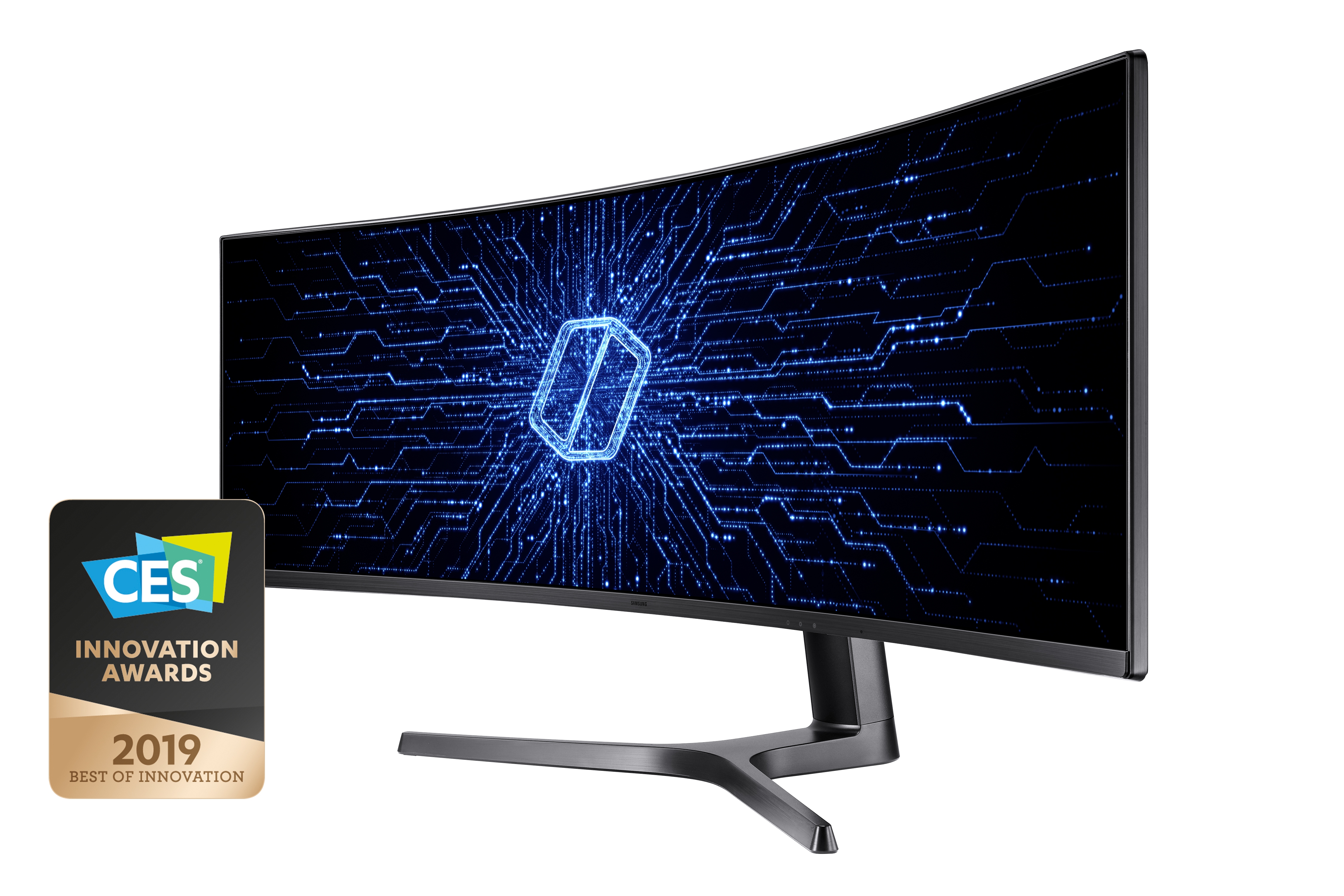
Curved monitors have gained popularity in recent years, offering a more immersive and visually appealing viewing experience compared to traditional flat monitors. However, these technological advancements come at a price. Several factors contribute to the higher cost of curved monitors, including the research and development costs of curved display technologies, manufacturing complexities, specialized production processes, and supply and demand dynamics in the market.
Research And Development Costs Of Curved Display Technologies
The development of curved display technologies requires significant investment in research and development. Innovating and perfecting the curvature design, ensuring optimal viewing angles and minimizing distortions, involves extensive testing and experimentation. The expertise and resources required to develop these cutting-edge technologies drive up the costs.
Manufacturing Complexities And Specialized Production Processes
Curved monitors demand careful manufacturing processes to achieve the desired curvature and maintain quality standards. The curved panels used in these monitors are more complex to produce compared to flat panels. Specialized machinery and additional manufacturing steps are involved, leading to higher production costs.
Furthermore, curved monitors often require higher-quality display materials to ensure uniform image reproduction across the curved surface. The cost of sourcing and implementing these materials adds to the overall manufacturing complexities.
Supply And Demand Dynamics In The Market
Supply and demand dynamics play a crucial role in determining the cost of curved monitors. Initially, with limited manufacturers producing curved monitors, the supply was relatively low compared to the demand. This scarcity of supply allowed manufacturers to set higher prices.
As the market for curved monitors grows, more manufacturers enter the industry, increasing competition and driving down prices to some extent. However, the specialized nature of curved monitors and the higher production costs keep their prices relatively higher compared to traditional flat monitors.
Moreover, the demand for curved monitors is driven by gamers, graphics designers, and professionals seeking an enhanced visual experience. The niche target audience, combined with the premium features and benefits of curved monitors, create a demand that justifies the higher price points.
In conclusion, several factors contribute to the higher cost of curved monitors. The research and development costs, manufacturing complexities, specialized production processes, and supply and demand dynamics in the market all play a role in setting the price of these advanced display technologies. While the prices may be higher compared to flat monitors, the immersive and visually stunning experience offered by curved monitors justifies the investment for many users.
Credit: www.samsung.com
Frequently Asked Questions On Why Are Curved Monitors So Expensive?
Why Are Curved Monitors More Expensive Than Flat Monitors?
Curved monitors are more expensive because they require specialized manufacturing techniques and materials. The curvature of the screen adds complexity to the production process, resulting in higher costs. Additionally, curved monitors offer a more immersive viewing experience, making them a popular choice for gaming and professional use, which further drives up their price.
Do Curved Monitors Provide Better Picture Quality?
Yes, curved monitors can provide better picture quality. The curved design helps to minimize distortions and deliver a more uniform viewing experience compared to flat monitors. The slight curvature also enhances the sense of depth, making images appear more lifelike.
This can be particularly beneficial for activities that require detailed visuals, such as gaming or design work.
Are Curved Monitors More Comfortable To Use?
Curved monitors can offer a more comfortable viewing experience for some users. The curvature helps to reduce eye strain by providing a consistent viewing distance from all angles. It also helps to create a more immersive experience, making it easier for your eyes to focus on the screen.
However, comfort is subjective, and it’s important to consider personal preferences and needs when choosing a monitor.
Conclusion
To sum up, the higher price tag of curved monitors can be attributed to several factors. These include the specialized manufacturing process, the demand and popularity among gamers and professionals, and the enhanced viewing experience they offer. While the cost may deter some buyers, it’s important to consider the benefits and features curved monitors bring to the table.
So, if you’re willing to invest in immersive visuals and a more engaging display, the expense might be well worth it.