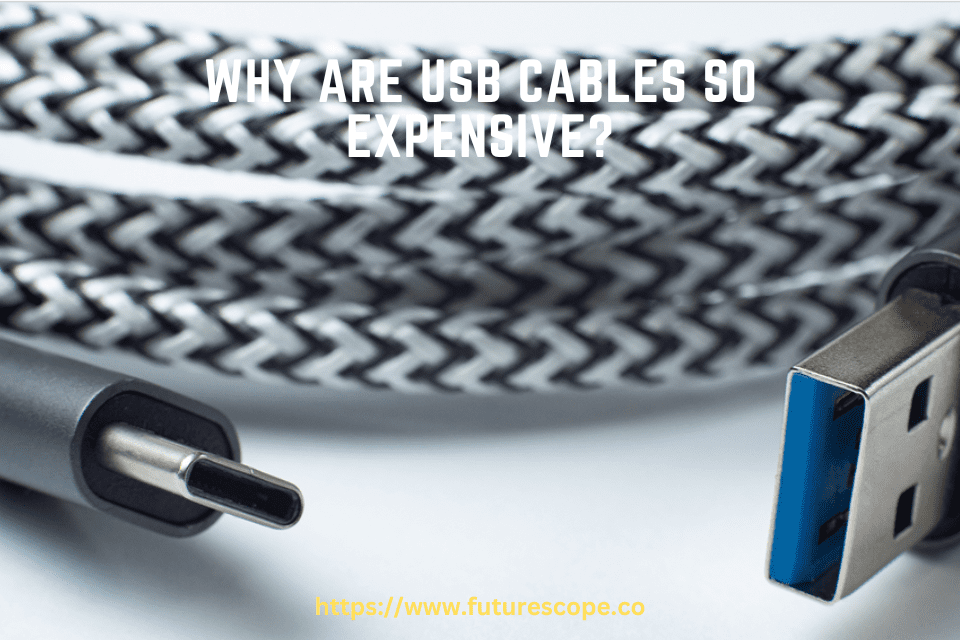

USB cables are expensive due to the high cost of manufacturing and the advanced features they offer. The introduction of USB-C technology has introduced faster data transfer rates, higher power delivery, and increased compatibility, resulting in a higher price point for USB-C cables.
Additionally, USB-C cables often undergo rigorous testing and certification processes to ensure their quality and safety, further contributing to their higher cost compared to older USB versions. As a result, consumers may find USB-C cables more expensive compared to previous USB iterations, but the benefits in terms of improved performance and functionality justify the cost.
The Evolution Of USB Cables
USB cables have come a long way since their inception in the early 1990s. From the humble beginnings of USB 1.0, each subsequent version has brought significant advancements in speed, power delivery, and connectivity. In this article, we will delve into the fascinating journey of technological advancements that have shaped USB cables as we know them today.
Usb 1.0 To USB Type-C: A Journey Of Technological Advancements
The first version of USB, known as USB 1.0, was introduced in 1996. With a maximum data transfer rate of 1.5 Mbps (megabits per second), it revolutionized the way we connected peripheral devices to our computers. USB 1.0 cables were relatively basic, featuring a rectangular Type-A connector on one end, commonly found on devices like keyboards, mice, and printers.
In the early 2000s, USB 2.0 took the stage, bringing a significant speed boost with a maximum transfer rate of 480 Mbps. This version became the de facto standard for many years, resulting in a wide variety of USB 2.0 cables flooding the market. However, it was not until the mid-2010s that we witnessed a major breakthrough in USB technology.
This breakthrough came in the form of USB 3.0, also known as USB 3.1 Gen 1, which introduced a maximum data transfer rate of 5 Gbps. USB 3.0 cables, easily identifiable by their blue connectors, enabled faster and more efficient file transfers, making them particularly useful for multimedia and data-intensive applications. As technology continued to advance, so did the need for even faster connections.
USB 3.1 Gen 2, also known as USB 3.2 Gen 2×1, made its way into the market in 2013, offering a maximum transfer rate of 10 Gbps, double that of its predecessor. This version featured USB Type-C connectors, which are not only reversible but also capable of delivering higher power output for charging devices. These reversible connectors quickly gained popularity due to their convenience and versatility.
The latest addition to the USB family is USB Type-C, which has become the new industry standard. USB Type-C connectors are not only reversible but also support USB 3.2 Gen 2×2, with a staggering maximum data transfer rate of 20 Gbps. Additionally, USB Type-C cables can deliver higher power levels, allowing for faster charging of devices and even powering small appliances.
| USB Version | Data Transfer Rate | Key Features |
|---|---|---|
| USB 1.0 | 1.5 Mbps | Introduction of USB technology |
| USB 2.0 | 480 Mbps | Significantly faster transfers |
| USB 3.0 (3.1 Gen 1) | 5 Gbps | SuperSpeed transfers and increased power delivery |
| USB 3.1 (3.2 Gen 2×1) | 10 Gbps | Double the speed of USB 3.0 |
| USB Type-C (3.2 Gen 2×2) | 20 Gbps | Reversible connector and enhanced power delivery |
As USB technology continues to evolve and improve, it’s only natural that USB cables become more advanced and versatile. The increased performance, reversible connectors, and higher power delivery have undoubtedly contributed to the rise in prices of USB cables. However, it’s important to note that despite the higher costs, the benefits and convenience offered by the latest USB cables make them a worthwhile investment for users who require fast and reliable connectivity.
Understanding The Manufacturing Process
USB cables have become an essential part of our daily lives, connecting our devices and enabling the transfer of data and charging. However, you may have noticed that USB cables, particularly the USB-C type, can often be quite expensive compared to other cables. This high price tag can leave many consumers puzzled, wondering why USB cables are so expensive. To shed some light on this topic, it is important to understand the manufacturing process behind these cables. In this article, we will explore the factors that contribute to the cost of USB cables, focusing on the raw materials used and the labor costs involved in their production.
Raw materials and their impact on cable prices
One of the key factors that drive up the cost of USB cables is the quality and type of raw materials used in their production. USB-C cables, in particular, require high-quality materials to ensure optimal performance and durability. Manufacturers have to source materials such as copper conductors, shielding materials, and insulating layers to create cables that can handle high-speed data transfer and power delivery.
Copper conductors are a crucial component of USB cables as they carry the electrical signal. The quality of copper used can significantly impact the cable’s performance. High-grade copper, such as oxygen-free copper (OFC) or silver-plated copper, ensures efficient and reliable data transmission. However, these high-quality copper conductors come at a higher cost, contributing to the overall price of the USB cable.
Apart from the copper conductors, USB cables also require shielding materials to minimize electromagnetic interference and ensure a stable connection. These shielding materials, often made of conductive materials like aluminum or braided copper, add an extra layer of protection to the cables. While these materials enhance the cable’s performance, they also drive up the manufacturing cost.
Labor costs and craftsmanship in cable production
Craftsmanship plays a vital role in the manufacturing process of USB cables. Skilled workers are required to assemble and solder the various components together to create a reliable and durable cable. The intricate process of soldering the copper conductors to the connectors requires expertise and precision, contributing to the labor costs involved in the production.
Additionally, USB cables undergo quality control checks to ensure that they meet industry standards and perform flawlessly. These quality control procedures, including visual inspections and electrical testing, require skilled labor and add to the overall manufacturing cost.
Considering the complex manufacturing process involved in producing USB cables and the high-quality materials required, it becomes apparent why USB cables, especially USB-C cables, carry a higher price tag. The costs associated with raw materials, labor, craftsmanship, and quality control contribute to the overall price of these cables. However, it is important to note that investing in a high-quality USB cable ensures reliable and efficient data transfer and charging for your devices, making it a worthwhile investment in the long run.
Factors That Influence USB Cable Pricing
USB cables are an essential accessory for connecting devices and transferring data, but have you ever wondered why there is such a wide price range for these seemingly simple cables? The price of USB cables can vary significantly depending on several factors. In this article, we will explore the key factors that influence USB cable pricing.
Branding And Reputation: How Does It Affect The Price?
Branding and reputation play a crucial role in determining the price of USB cables. Established brands with a strong reputation for quality and reliability often command higher prices for their cables. These brands have invested considerable time and resources in research and development, ensuring that their cables meet the highest industry standards. Consumers are willing to pay a premium for the confidence and peace of mind that comes with purchasing from reputable brands.
Certification And Compliance: The Role Of Industry Standards
USB cables must meet specific industry standards to ensure compatibility and performance. Certification and compliance with these standards add to the cost of manufacturing USB cables. Cables that meet these standards undergo rigorous testing procedures to guarantee their reliability and safety. Manufacturers who invest in obtaining the necessary certifications and complying with industry standards generally charge higher prices for their cables. These extra costs are reflected in the final price paid by consumers.
Length And Durability: Are Longer Cables More Expensive?
The length and durability of USB cables also influence their pricing. Longer cables require more material and have higher manufacturing costs, which can result in higher prices. Additionally, longer cables often need to be more durable to withstand the stresses of everyday use. The use of higher-quality materials, reinforced connectors, and improved insulation contribute to the durability of USB cables. These factors can lead to increased production costs and therefore higher prices for longer and sturdier cables.
Special Features And Functionalities: Exploring The Cost Of Extra Features
USB cables with special features and functionalities often come with a higher price tag. Extra features like fast charging, data transfer rates, or reversible connectors require advanced technologies and additional components. Manufacturers who incorporate these advanced features into their USB cables have to invest in research, development, and specialized materials, which all contribute to a higher manufacturing cost. Consequently, consumers can expect to pay more for cables with these desirable and convenient functionalities.

Debunking The Myths: Is Expensive Always Better?
One common misconception when it comes to USB cables is that the more expensive they are, the better the quality. But is that really the case? In this section, we will debunk this myth and unveil the truth behind the price tag of USB cables.
Quality Vs. Price: Is There A Correlation?
The price of USB cables can vary significantly, and it’s important to understand whether there is a correlation between price and quality. While it’s true that some high-quality USB cables may come with a higher price tag, it doesn’t necessarily mean that all expensive cables are superior to their more affordable counterparts.
In fact, the price of a USB cable is often influenced by various factors, including the brand name, marketing costs, and manufacturing materials. Some brands may have established themselves as premium providers, which allows them to command higher prices for their products.
However, this doesn’t mean that less expensive USB cables are inferior in terms of quality. It’s worth noting that most USB cables adhere to industry standards and undergo rigorous testing to ensure their reliability and performance.
To put it simply, the price of a USB cable is not always indicative of its quality. It’s essential to look beyond the price tag and consider other factors such as customer reviews, certifications, and the reputation of the manufacturer.
False Claims And Marketing Gimmicks: Unveiling The Truth
USB cable manufacturers often employ various marketing gimmicks to make their products appear superior and justify their higher price tags. However, many of these claims are false and can mislead consumers into thinking that they need to spend more to get a reliable cable.
One common marketing tactic is the use of technical jargon. Some manufacturers may use terms like “gold-plated connectors” or “high-speed data transfer” to create the perception of enhanced performance. While these features may sound impressive, they don’t significantly impact the functionality of the USB cable.
| False Claim | Truth |
|---|---|
| Gold-plated connectors provide better signal transmission | Gold plating has minimal impact on signal quality |
| Braided cables are more durable | Durability depends on the quality of materials, not just the braiding |
| Thicker cables are always better | The thickness of a cable doesn’t determine performance or durability |
By debunking these false claims, we can ensure that consumers make informed decisions when purchasing USB cables. Don’t be swayed solely by marketing tactics – focus on the actual specifications, customer reviews, and your specific needs.
Frequently Asked Questions For Why Are Usb Cables So Expensive?
Why Are Usb Cables So Expensive?
USB cables may seem expensive due to the cost of materials and manufacturing processes involved. High-quality cables, with better insulation and shielding, are pricier but offer faster data transfer rates and better durability. Additionally, branded cables often come with warranties and customer support, adding to their cost.
Remember, investing in a reliable USB cable can prevent damage to your devices in the long run!
Are All Usb Cables The Same?
No, all USB cables are not the same. USB cables come in different versions such as USB 2. 0, USB 3. 0, and USB C. These versions have different data transfer speeds and power delivery capabilities. Additionally, the quality of the cable, including the insulation and shielding, varies among different brands and models.
It is crucial to choose the right USB cable for your specific devices and requirements.
Do Expensive Usb Cables Last Longer?
Expensive USB cables often have better build quality and durability, which can contribute to their longer lifespan. However, this is not always the case. The brand and quality of the cable, along with the user’s handling, play a significant role in determining the lifespan.
It’s important to consider both the price and quality when choosing a USB cable to ensure it lasts longer and offers reliable performance.
Are Cheaper Usb Cables Reliable?
While cheaper USB cables can be tempting, their quality and reliability may vary. Cheap cables may not offer the same level of insulation and shielding as higher-priced options, which can result in slower data transfer speeds, intermittent connections, or even damage to connected devices.
It’s worth investing in a reliable and certified USB cable to ensure the best performance and protect your devices from potential risks.
Conclusion
USB cables may seem expensive due to various factors like the high demand for faster data transfer and charging speeds, the quality of materials used, and the cost of research and development. However, investing in a reliable, high-quality USB cable can ensure better performance and durability, ultimately saving you money in the long run.
Consider the specific requirements of your devices and choose a cable that meets your needs to avoid unnecessary expenses.