


Network switches are expensive due to their advanced features and capabilities, which enable efficient data transfer and network management. With their high-performance processors and extensive memory, switches can handle large amounts of network traffic and provide reliable connectivity.
Additionally, the cost of research and development, as well as the production, maintenance, and support of these complex devices, contribute to their high price. As network technology rapidly evolves, manufacturers continually invest in enhancing switch performance, ensuring compatibility with emerging network standards, and integrating advanced security features.
This continuous innovation and the constant need to meet growing network demands further increase the cost of network switches.
The Complexity Of Network Switches
Network switches are vital components of any computer network, allowing devices to communicate with each other efficiently. While their importance is undeniable, their high price tags often leave consumers wondering, “Why are network switches so expensive?” One of the key factors driving up the cost of network switches is their complexity.
The Intricate Design And Engineering Involved
Network switches are not just simple devices that route data from one device to another. They are the result of intricate design and engineering, involving numerous components and advanced technology. The sheer complexity of their architecture is one of the main reasons for their high price.
Network switches are designed with multiple layers, each performing specific functions to enable efficient data transmission. These layers include the physical layer, data link layer, network layer, and application layer. Each layer is responsible for different tasks, such as error detection, data formatting, routing, and security. The interplay between these layers requires careful engineering to ensure seamless operation.
The circuitry within a network switch is designed to handle high volumes of data traffic, with intricate switching algorithms and protocols. This requires extensive testing and optimization, driving up research and development costs. In addition, the overall design must prioritize reliability and speed, requiring sophisticated components and specialized engineering techniques.
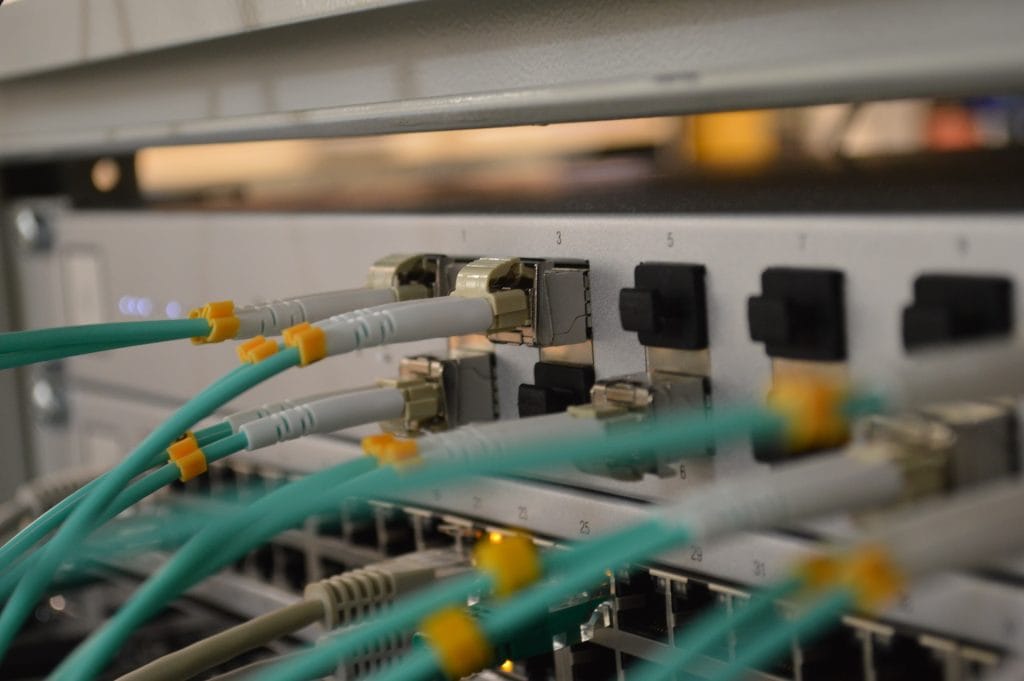
The Advanced Technology And Hardware Components Used
Network switches incorporate advanced technology and high-quality hardware components, further contributing to their cost. These switches use high-speed processors capable of handling complex data forwarding tasks. These processors are designed to process large amounts of data simultaneously, enabling fast data transmission and reducing latency.
Another critical component of network switches is the switching fabric. The switching fabric determines the capacity of the switch to handle data traffic. In high-end switches, the switching fabric is often built using cutting-edge technologies like advanced ASICs (Application-Specific Integrated Circuits) or programmable FPGA (Field-Programmable Gate Arrays). These components provide the necessary speed, flexibility, and scalability required for modern networks, but they come at a significant expense.
To ensure uninterrupted operation, network switches utilize redundant power supplies, multiple cooling mechanisms, and advanced fault tolerance features. These additional components and features add to the overall cost of the switches, but they are crucial for maintaining network reliability and preventing downtime.
In conclusion, the complexity of network switches, evidenced by their intricate design, engineering, advanced technology, and high-quality components, contributes significantly to their high price. The need for reliable and efficient data transmission, as well as the demand for cutting-edge features and scalability, are driving factors behind the expense of these essential networking devices.
Research And Development Costs
High Expenses In Developing And Testing New Features
One of the primary reasons why network switches are expensive is the significant investment required in research and development (R&D) costs. Network switch manufacturers constantly strive to innovate and introduce new features to meet the ever-evolving demands of businesses and consumers. Developing and testing these new features involves a complex and time-consuming process, which adds to the overall cost of the switches.
Let’s delve into the specific factors that contribute to the high expenses in developing and testing new features:
- Rigorous testing: Before a new feature can be integrated into a network switch, it must undergo thorough testing to ensure its reliability, compatibility, and stability. This involves running multiple simulations, performance evaluations, and stress tests to guarantee that the feature will function seamlessly in real-world scenarios.
- Design modifications: Creating new features often requires making significant modifications to the hardware and firmware of the network switch. This involves redesigning the printed circuit boards (PCBs), developing customized silicon chips, and optimizing the software to support the new functionality. These design changes contribute to the elevated R&D costs.
- Quality assurance: Network switch manufacturers understand the critical role these devices play in enabling efficient data transmission and reliable network connectivity. Therefore, extensive quality assurance measures are undertaken to ensure that the switches adhere to rigorous quality standards. This involves conducting meticulous quality checks at every stage of the production process, from component selection to final assembly.
Considering these factors, it becomes evident that the expenses incurred in developing and testing new features significantly contribute to the overall cost of network switches. Manufacturers must invest substantial resources into R&D to remain at the forefront of technological advancements and deliver cutting-edge products to their customers.
Investments In Innovation And Staying Ahead Of The Competition
In the ever-competitive networking industry, network switch manufacturers must constantly invest in innovation to stay ahead of their rivals. By continuously pushing the boundaries of what network switches can achieve, these companies aim to provide unique and advanced features that address the evolving needs of businesses.
- Ongoing research: Companies allocate considerable funds to research initiatives, exploring emerging technologies, market trends, and customer feedback. This research helps them identify areas for improvement and develop innovative solutions that offer enhanced performance, increased security, and improved user experience.
- Talent acquisition: Attracting and retaining top talent is essential for driving innovation. Network switch manufacturers invest in hiring skilled engineers, designers, and developers with expertise in networking technologies. These personnel work collaboratively to develop groundbreaking ideas, design state-of-the-art hardware, and create cutting-edge firmware and software platforms.
- Patent portfolio: To protect their innovations and secure a competitive advantage, network switch manufacturers file numerous patents. Developing a robust patent portfolio requires substantial investments in intellectual property (IP) protection, legal expenses, and maintaining a team of IP specialists.
In summary, investing in innovation and staying ahead of the competition form a significant portion of the network switch manufacturers’ expenses. By continually researching, hiring top talent, and protecting their intellectual property, companies are able to develop and deliver advanced network switches with unique features.
Manufacturing And Production Costs
The Use Of Premium Materials And Components
Manufacturing and production costs play a significant role in determining the price of network switches. One of the primary factors that contribute to the high cost is the use of premium materials and components. Network switches are intricate devices that require high-quality components and materials to ensure optimal performance and durability.
Firstly, manufacturers often use high-grade metals and plastics in the production of network switches. These materials are sturdy and resistant to wear and tear, thereby increasing the lifespan of the switches. The use of such premium materials ensures that the switches can withstand diverse environmental conditions and intensive usage without compromising on performance.
Additionally, network switches require sophisticated electronic components for their operation. These components are designed to handle high-speed data transfer, complex routing algorithms, and advanced security features. Manufacturers invest in sourcing top-of-the-line integrated circuits, transistors, resistors, and other electronic components to ensure the switches can deliver reliable and consistent performance.
Moreover, network switches often incorporate advanced features like Power over Ethernet (PoE) support, which enables the switches to provide electrical power to connected devices. The integration of PoE functionality requires additional components and circuitry, further driving up the manufacturing and production costs.
To summarize, the use of premium materials and components significantly contributes to the high price of network switches. Manufacturers prioritize quality and performance, leading to the use of sturdy metals and plastics and the integration of advanced electronic components. By investing in these premium materials and components, network switch manufacturers ensure that their products can deliver exceptional performance and longevity, making them a worthwhile investment for businesses and organizations.
Sophisticated Manufacturing Processes And Quality Control
In addition to the use of premium materials and components, the high cost of network switches is attributed to the sophisticated manufacturing processes and stringent quality control measures implemented during production.
Network switches require intricate assembly procedures, involving precise soldering, mounting of components, and thorough testing. Skilled technicians and engineers are involved at every stage of the manufacturing process to ensure that each switch is built to the highest standard.
Quality control begins right from the initial stages of production. Manufacturers conduct regular inspections of incoming raw materials to ensure they meet the required specifications. These stringent quality checks prevent the use of substandard materials that could compromise the performance and reliability of the switches.
During assembly, each component and circuit is carefully inspected and tested to ensure they are functioning correctly. This meticulous testing helps detect any defects or faulty components and ensures that the final product meets the predefined performance criteria.
Furthermore, the final network switches undergo rigorous testing procedures before they are packaged and shipped to customers. These tests involve performance evaluations, stress tests, and compatibility assessments to ensure that the switches can handle the demands of modern networking environments.
In conclusion, the high price of network switches is justified by the sophisticated manufacturing processes and quality control measures implemented by manufacturers. By adhering to strict standards and conducting thorough testing, manufacturers ensure that each switch meets the highest quality standards. These additional efforts contribute to the overall manufacturing and production costs, making network switches a valuable investment for businesses seeking reliable and efficient networking solutions.
Demand And Supply Dynamics
Network switches play a crucial role in modern networking systems, enabling devices to communicate with each other by directing data traffic. However, you may have noticed that network switches can often come with a hefty price tag. So, why are network switches so expensive? In this blog post, we will explore the demand and supply dynamics that contribute to the high cost of network switches.
Limited Supply And High Demand Driving Prices Up
Fragmentation in the market and a limited supply of network switches are key factors driving up their prices. As more organizations and businesses rely on network switches to support their growing digital infrastructure, the demand for these devices has significantly increased. This surge in demand is accompanied by limited supply, as the manufacturing and distribution cycles struggle to keep pace.
The networking industry is characterized by a handful of dominant players who control the production and distribution of network switches. These companies face challenges in meeting the dynamic demands of the market due to various factors, such as component shortages and production constraints. This limited supply in the face of escalating demand contributes to higher prices for network switches.
The Impact Of Market Forces On Pricing
Market forces such as competition, production costs, and research and development investments also impact the pricing of network switches. Let’s take a closer look at each of these factors:
1. Competition: While there are a few dominant players in the networking industry, competition still exists. These companies invest heavily in research and development to stay ahead of the curve and offer innovative solutions to customers. The costs associated with this intense competition can be reflected in the pricing of network switches.
2. Production costs: The manufacturing of network switches involves complex processes and the utilization of high-quality components. The production costs associated with these processes, including research and development, labor, raw materials, and quality assurance, contribute significantly to the final price of the product.
3. Research and development investments: The networking industry is constantly evolving, with new technologies emerging to meet the demands of faster communication and increasing data traffic. Networking companies invest substantial resources in research and development to bring cutting-edge solutions to the market. These investments are factored into the pricing of network switches.
In conclusion, the high cost of network switches can be attributed to the demand and supply dynamics within the industry. Limited supply and high demand, coupled with market forces such as competition and production costs, contribute to the overall pricing of network switches. By understanding these factors, organizations can make informed decisions when it comes to their networking infrastructure investments.
| Factors Driving High Prices of Network Switches |
|---|
| 1. Limited supply and high demand |
| 2. Market forces (competition, production costs, research and development investments) |
Frequently Asked Questions For Why Are Network Switches So Expensive?
Why Are Network Switches So Expensive?
Network switches are expensive because they require advanced technology and components to handle large amounts of data transfer, provide high-speed connectivity, and offer advanced features like security and VLAN support. The cost also includes research and development, maintaining compatibility with evolving standards, and ensuring reliability and scalability.
These factors contribute to the overall cost of network switches.
Conclusion
Network switches can be expensive due to several factors. These include advanced features, high-performance capabilities, and the need to support increasing data traffic. Additionally, the cost of research and development, manufacturing, and marketing adds to the overall price. However, investing in a quality network switch is crucial for businesses seeking reliable and efficient network operations.
By understanding the reasons behind their pricing, organizations can make informed decisions to optimize their network infrastructure.