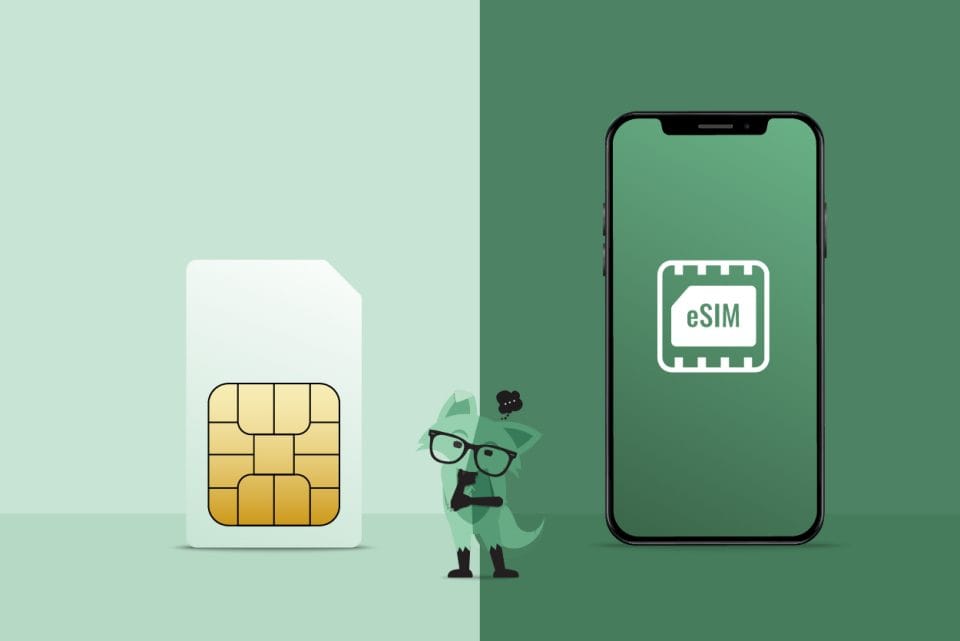

Both physical SIMs and eSIMs have their advantages. The better choice depends on your specific needs and preferences.
ESIMs offer convenience and flexibility. They eliminate the need for a physical card, allowing you to switch carriers or plans easily. With eSIMs, managing multiple numbers on one device becomes seamless. Physical SIMs, on the other hand, provide compatibility with a wider range of devices.
They are easy to swap between phones, especially useful in areas with limited eSIM support. While eSIMs are becoming more popular, physical SIMs remain widely accepted. Consider your device compatibility, travel needs, and carrier options. This way, you can make an informed decision that best suits your lifestyle and requirements.
Introduction To SIM Technology
The world of mobile communication relies on SIM technology. SIM cards have been essential for connecting mobile devices to networks. Understanding their evolution helps us appreciate modern advancements.
Brief History
SIM stands for Subscriber Identity Module. It was first introduced in the early 1990s. The initial SIM cards were the size of credit cards. They stored basic information like your phone number.
Evolution Of SIM Cards
SIM cards have evolved significantly over the years. The sizes have become much smaller. The original large SIM cards were replaced by mini-SIM, micro-SIM, and nano-SIM cards. Each reduction in size made them more convenient for modern devices.
| SIM Type | Introduction Year | Size |
|---|---|---|
| Full-size SIM | 1991 | 85.60 mm x 53.98 mm |
| Mini-SIM | 1996 | 25 mm x 15 mm |
| Micro-SIM | 2003 | 15 mm x 12 mm |
| Nano-SIM | 2012 | 12.3 mm x 8.8 mm |
Recently, eSIM technology emerged, eliminating the need for a physical card. eSIMs are built into devices and can be activated remotely. This makes switching carriers and plans easier than ever.
Both physical SIMs and eSIMs have their advantages. Understanding their differences can help you choose the best option for your needs.
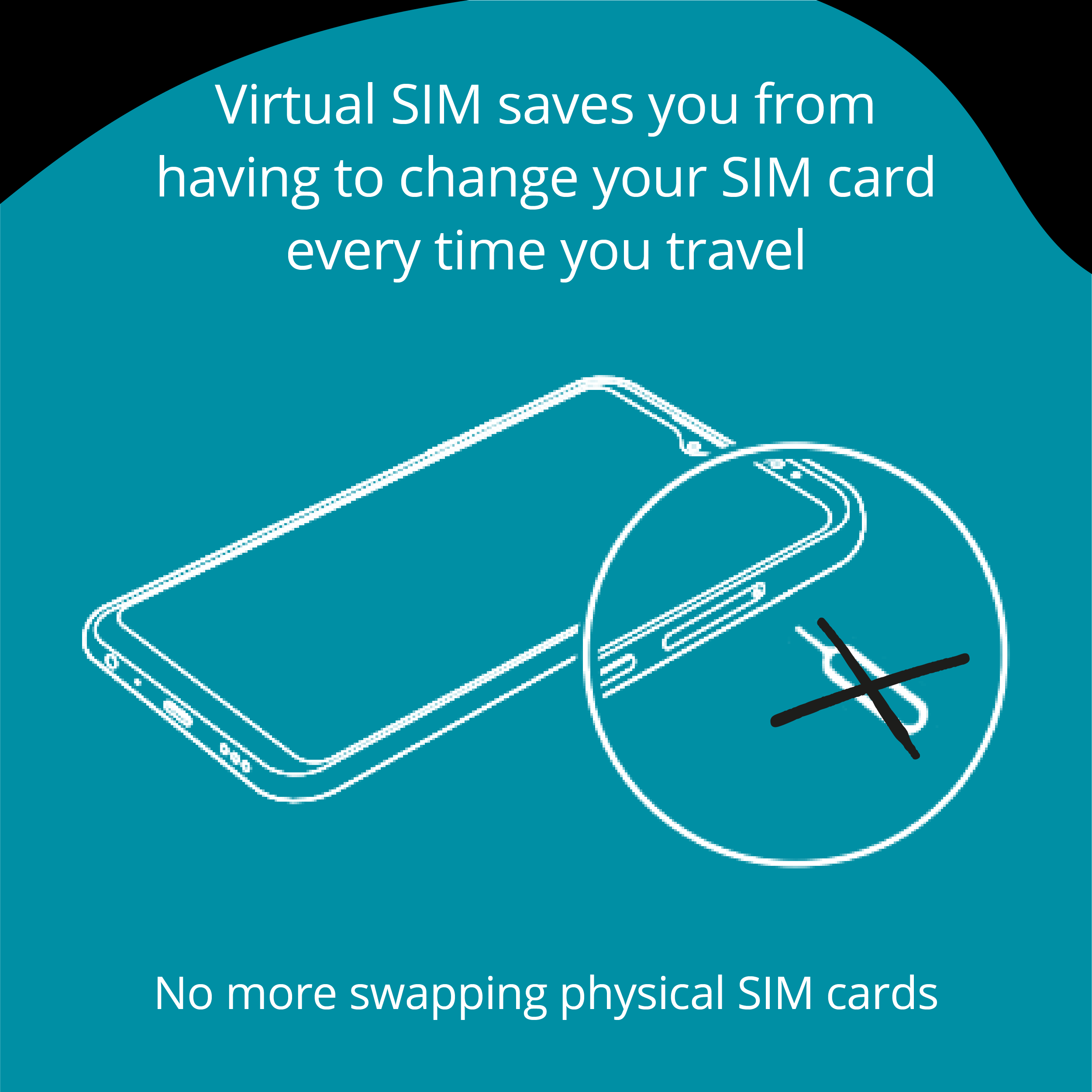
Physical SIM Cards
Physical SIM cards have been a staple in mobile technology for years. They are tiny, removable cards that store your phone number and carrier details. These cards have their own set of advantages and disadvantages.
Advantages
- Compatibility: Works with most mobile phones.
- Easy to Swap: Quickly change between devices.
- Availability: Easily available at retail stores.
- No Internet Required: Does not need internet to activate.
Disadvantages
- Physical Damage: Can be lost or damaged.
- Space Consumption: Takes up physical space in the phone.
- Limited Storage: Stores less information compared to eSIM.
- Inconvenience: Requires a special tool to remove or insert.
eSIM Technology
eSIM technology has revolutionized how we connect our devices to networks. Unlike physical SIM cards, eSIM is embedded directly into the device. This makes it easier to switch carriers or plans. Let’s explore how this technology works and its benefits.
How eSIM Works?
An eSIM is a small chip built into your device. It follows the GSMA standard, which ensures compatibility worldwide. The chip can store multiple profiles, allowing you to switch between different carriers.
Here’s a simple breakdown:
- Device has a built-in eSIM chip.
- You scan a QR code or use an app to activate it.
- Choose a carrier and plan directly from your device.
- Switch between profiles as needed.
This process is much quicker than swapping physical SIM cards.
Benefits Of eSIM
eSIM offers several benefits over traditional SIM cards. Here are some key advantages:
| Benefit | Description |
|---|---|
| Convenience | No need to handle small SIM cards. Activate your plan instantly. |
| Flexibility | Switch between carriers without changing the SIM card. |
| Space-Saving | More room for other components in your device. |
| Security | Harder to steal compared to physical SIM cards. |
| Environmentally Friendly | Less plastic waste from discarded SIM cards. |
These benefits make eSIM a compelling choice for modern devices. The technology is here to stay, providing a seamless and efficient experience for users.
Comparing Physical Sim And eSIM
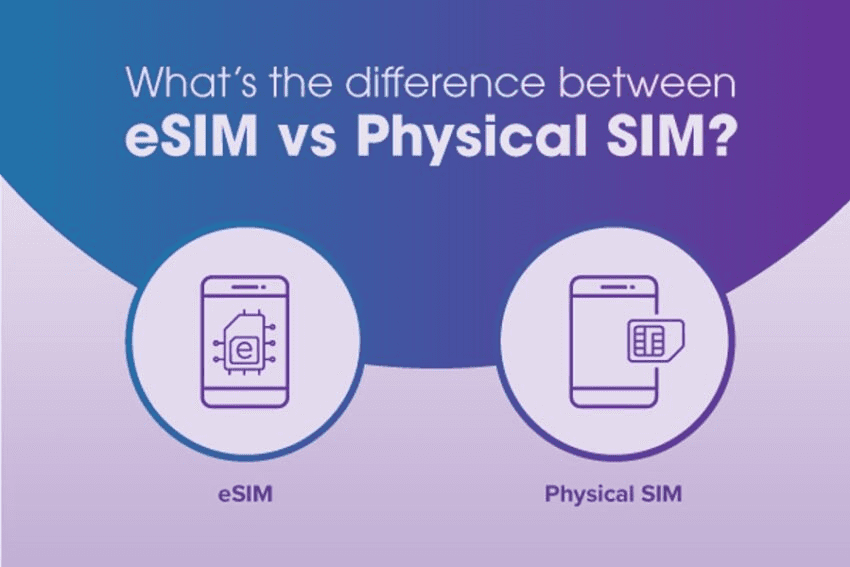
Deciding between a physical SIM and an eSIM depends on various factors. Both options have their own advantages and disadvantages. This section will help you understand the key differences.
Cost Comparison
Cost is a significant factor for many users. Here’s a cost comparison:
| Physical SIM | eSIM |
|---|---|
| Usually comes free with new phones. | May require additional setup fees. |
| Replacement cost is low. | Replacement can be more expensive. |
Convenience And Flexibility
Convenience and flexibility are essential for many users. Here’s a detailed look:
- Physical SIM: Requires manual insertion and removal. Can be easily swapped between devices.
- eSIM: Embedded in the phone. Switching carriers can be done digitally.
eSIM offers more flexibility for frequent travelers. Physical SIMs are easier to manage for those who switch devices often.
Choosing The Right SIM For You
Deciding between a physical SIM and an eSIM can be tricky. Each option has unique advantages and drawbacks. This guide will help you choose the right SIM for your needs.
Factors To Consider
When deciding, consider these factors:
- Device Compatibility: Not all devices support eSIMs.
- Ease of Switching: eSIMs make switching carriers easier.
- Storage: Physical SIMs can be easily removed and stored.
- Security: eSIMs offer enhanced security features.
- International Use: Physical SIMs might be more practical for frequent travelers.
Future Trends
The future of SIM technology is evolving rapidly. Here are some trends:
- Wider Adoption: More devices are supporting eSIM technology.
- Carrier Support: Major carriers are increasing eSIM compatibility.
- Security Enhancements: eSIMs are becoming more secure over time.
- Environmental Impact: eSIMs reduce plastic waste from physical SIM cards.
Consider these trends when making your decision. The right choice depends on your specific needs and preferences.
Frequently Asked Questions
What Is A Physical SIM Card?
A physical SIM card is a removable chip that connects your phone to a mobile network.
How Does An eSIM Work?
An eSIM is a digital SIM embedded in your device, allowing you to switch carriers without a physical card.
Can eSIM Replace Physical SIM?
Yes, eSIM can replace physical SIM cards, offering more convenience and flexibility for users.
Which Is More Secure: Physical SIM Or eSIM?
ESIM offers enhanced security features, reducing the risk of physical tampering compared to physical SIM cards.
Conclusion
Choosing between a physical SIM and an eSIM depends on your needs. ESIMs offer flexibility and ease of use. Physical SIMs might be better for those who frequently change devices. Evaluate your lifestyle and preferences to make the best decision.
Both options have unique benefits, so choose wisely for your situation.