There are many reasons your PC might be running low on FPS (frames per second). It could be a problem with your graphics card, CPU, or even just a setting in your game that is set too low. If you’re not sure what is causing the problem, you can try troubleshooting each of these potential issues one by one to see if it solves the problem.
Your computer may be running low on FPS for a variety of reasons. One common reason is that your computer doesn’t have enough RAM to run the game or application you’re trying to use. Another possibility is that your graphics card is outdated or not powerful enough to handle the game or application you’re using.
If you’re not sure what’s causing your computer to run low on FPS, try updating your drivers and checking for any software updates.
PC Suddenly Low FPS : Cause
If you notice that your PC suddenly has low FPS, there are a few things you can do to try and fix the issue. First, check to see if your computer meets the minimum requirements for the game you’re playing. If it doesn’t, then upgrading your hardware may be the best solution.
Another thing to check is whether or not your graphics card is properly installed and updated. Out-of-date drivers can often cause FPS issues. You can update your drivers by visiting the website of your graphics card manufacturer and downloading the latest drivers.
If neither of those solutions work, then it’s likely that there’s something wrong with the game itself. Try verifying the game files to see if that fixes the problem. If not, then you may need to contact the game developer for further assistance.
FIX Windows 10 FPS Drop Fix for Gaming [Tutorial]
How Do I Boost My PC FPS?
Your PC’s FPS, or frames per second, is a measure of how smoothly a game runs on your computer. A higher FPS means that your game will run smoother and look better. Here are some tips to help you boost your PC’s FPS for gaming:
1. Update Your Graphics Drivers
One of the most important things you can do to improve your PC’s gaming performance is to make sure you have the latest graphics drivers installed. Graphics drivers are what allow your GPU to communicate with games and other software on your computer.
They are constantly being updated by the manufacturers to improve performance and compatibility with new games. You can usually find the latest drivers for your GPU on the manufacturer’s website.
2. Adjust In-Game Settings
Games will often have built-in settings that let you adjust how much resources they use. For example, you can usually lower the resolution or turn off certain graphical effects to improve performance. Every game is different, so be sure to experiment with different settings to see what works best for you.
3 . Close Background Programs
Having too many programs running in the background can cause performance issues with games .
If possible , close any unnecessary programs before starting a game . This includes things like web browsers , music players , and instant messaging clients.
4 . Change Your Power Plan
Windows has a “Power Saver” mode that limits how much power your CPU uses . This can lead to lower frame rates in games because it prevents your CPU from running at full speed . Switching to the “High Performance” power plan will remove this restriction and may give you a small boost in FPS . To change your power plan , go to Start > Control Panel > Hardware and Sound > Power Options then select “High Performance” from the list of options.
5 . Add More RAM
One of the best ways to improve gaming performance is by adding more RAM (random access memory)to your system . This allows games to store more data in memory which can help reduce loading times and improve overall framerates . Most modern PCs use DDR4 RAM which is available in speeds up 16GB per stick . If you’re not sure what kind of RAM your PC uses , check out our guide on how to find out What Kind of Memory Does My Computer Have ?
Finally Upgrade Your Graphics Card
Why Do I Have 60 FPS on PC?
There are a few reasons why you might have 60 FPS on your PC. It could be that your monitor is only capable of displaying 60 frames per second, or it could be that your computer is not powerful enough to render more than 60 frames per second. Additionally, some games are capped at 60 FPS to improve compatibility or performance.
If you’re wondering why you have 60 FPS on your PC, the most likely reason is that your monitor can only display 60 frames per second. This isn’t necessarily a bad thing, as many monitors are still perfectly capable of delivering a great experience at 60 FPS. However, if you want to enjoy the highest possible framerate, you’ll need to upgrade to a higher-end monitor.
Another possibility is that your computer simply isn’t powerful enough to render more than 60 frames per second. This is most likely the case if you’re using an older or less powerful graphics card. If you want to increase your framerate, you’ll need to upgrade your hardware.
Finally, some games are specifically designed to run at 60 FPS for performance or compatibility reasons. If a game doesn’t run well above 60 FPS, it’s often better to just leave it capped at that framerate. Trying to force a higher framerate can lead to instability and decreased performance overall.
Why am I Getting Low FPS on My High End PC?
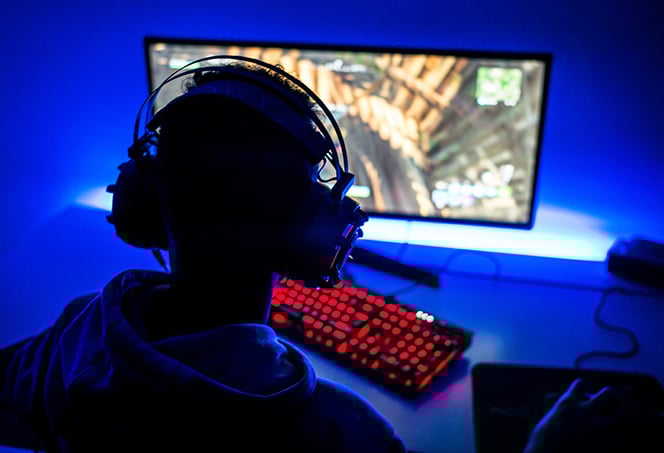
There are many potential reasons for why you might be getting low FPS on your high end PC. Here are some of the most common causes:
1. Your graphics card is not powerful enough.
This is often the most common reason for low FPS on a high end PC. If you have a powerful CPU but a weak graphics card, you will likely experience poor performance in games. Make sure to check the requirements for the game you’re playing and upgrade your graphics card if necessary.
2. You’re not using optimal settings.
In some cases, simply changing your settings can dramatically improve performance. Turn down shadows, anti-aliasing, and other graphical effects that may be taxing your system unnecessarily.
Find a balance between pretty visuals and smooth gameplay that works for you.
3. Your system is overheating.
One of the worst things that can happen to any computer is overheating, especially when it comes to gaming PCs .
Make sure all of your components are properly cooled withFans and thermal paste , and consider upgrading to water cooling if necessary . Heat is one of the quickest ways to kill hardware.
4 . There’s something wrong with your hardware.
In rare cases , faulty or damaged hardware can cause low FPS problems . If you’ve ruled out everything else , it’s time to take your PC into a professional for diagnosis and repair .
How to Fix Low FPS on PC?
If you’re experiencing low FPS on your PC, there are a few things you can do to try and fix the problem. First, make sure that your computer meets the minimum requirements for the game you’re playing. If it doesn’t, then you’ll need to upgrade your hardware.
Another thing you can do is to close any programs that are running in the background. These can include things like web browsers, music players, and even some anti-virus programs. If these programs are using up resources, it can cause your game to run slowly.
Finally, if you’re still having problems with low FPS, you may need to adjust your graphics settings. This can be done in most games by going into the options menu and looking for the “Graphics” or “Video” tab. From here, you should be able to find a setting that will improve your FPS.
Conclusion
If you’re wondering why your PC is running low on FPS, there are a few possible reasons. First, make sure that your computer meets the minimum requirements for the game you’re playing. If it doesn’t, you may need to upgrade your hardware.
Second, check to see if your drivers are up to date. Out-of-date drivers can cause performance issues. Finally, make sure that your game is properly optimized.
Games that aren’t well optimized can run slowly on even the best hardware. If you’ve checked all of these things and you’re still having problems, feel free to contact customer support for further assistance.