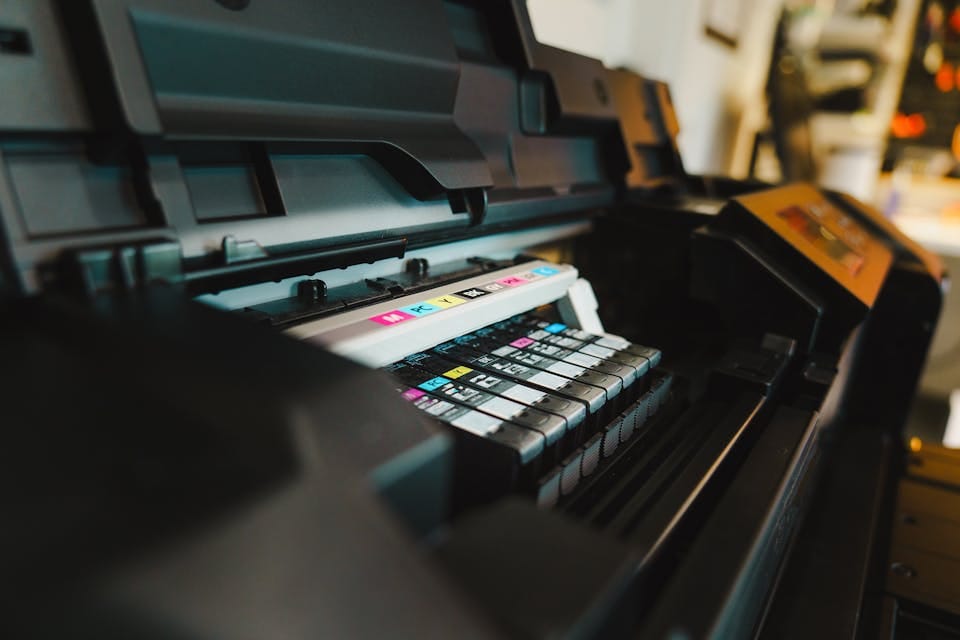

Inkjet printers remain popular due to their affordability and color printing quality. They excel in photo printing and are ideal for home and small office use.
Inkjet printers have withstood the test of time, seamlessly blending into the evolving landscape of technology. Offering a balance between initial cost and output quality, these printers are a staple for anyone requiring high-resolution color prints without a hefty investment.
They shine particularly in scenarios where vibrant color output is essential, such as printing photographs, marketing materials, and artistic designs. Their compact size and versatility also make them a preferred choice for home offices and small businesses. Moreover, innovations in inkjet technology continue to improve their efficiency and print speed, ensuring they remain a competitive choice in the printer market. The continuous development of ink formulas and cartridge efficiency contributes to their ongoing relevance in an increasingly digitized world.
The Evolution Of Inkjet Printing Technology
The Evolution of Inkjet Printing Technology is a journey of constant innovation. It’s a tale about how a simple method of putting ink on paper evolved. This evolution has ensured inkjet printers remain relevant. They’ve adapted to the diverse needs of users today.
Early Days To Modern Innovations
The journey of inkjet printers began in the late 20th century. Initial models were primitive, but they laid the groundwork. They could only produce basic graphics and text. Yet, they were less expensive than other printers. This made them popular for home use.
Bold leaps in technology transformed these early printers. We now have high-resolution, photo-quality output. Modern printers handle various media types. They range from gloss and matte paper to CDs and fabric. Some can even print in 3D!
Continuous Improvement And Demand
Why does the demand for inkjet printers continue? It is due to continuous improvement. Beyond paper printing, they serve wide-ranging purposes. For instance, digital artists rely on them for high-quality prints. Businesses use them for marketing materials.
- Compact design that fits anywhere
- Ease of use with simple setups
- Cost-effectiveness for low-volume needs
Inkjet printers have also become more efficient and eco-friendly. Manufacturers have reduced waste. They create printers that use less power.
| Year | Innovation |
|---|---|
| 1970s-1980s | Beginning of inkjet technology |
| 1990s | Color printing and improved resolution |
| 2000s | Wireless connectivity and photo printing |
| 2010s-today | Smart features and sustainable designs |
Smart technology integration is key. It lets users print from anywhere. Users can print from smartphones and cloud storage.
It’s clear that the inkjet printer hasn’t just survived; it has thrived. The blend of tradition with technology has kept it indispensable. With such a dynamic history, inkjet printers are here to stay.
Comparative Analysis With Other Printing Technologies
In the ever-evolving world of printing technology, inkjet printers have stood the test of time. Diving into a comparative analysis with other printing technologies reveals the nuanced benefits that keep inkjet printers in the game. This examination aims to uncover why these devices continue to coexist with advanced alternatives.
Inkjet Vs. Laser Printers
Understanding the key differences between inkjet and laser printers is imperative for consumers. The core technology defines their functionality and usability in various settings. Inkjet printers excel in producing high-quality photographs and intricate graphics, outpacing laser printers in color gradation and vibrancy.
| Inkjet Printers | Laser Printers |
|---|---|
| Color Quality: Superior Initial Cost: Lower Maintenance: Easier Versatility: High (Various media types) | Speed: Faster Running Cost: Lower (over time) Durability: Better for high volume Sharp Text: Crisper |
Moreover, the initial purchase price of inkjet printers often attracts individual users and small businesses.
Cost Efficiency For Various User Segments
Assessing cost efficiency requires consideration of the user’s specific needs. For home users and small enterprises primarily concerned with upfront costs, inkjet printers present an affordable solution. Large organizations, looking at bulk printing, lean towards laser printers for their long-term cost savings.
- Home Users: Benefit from low initial investment and flexibility.
- Photographers: Prefers the superior photo quality of inkjets.
- Small Businesses: Often choose inkjets for moderate printing needs and diverse media handling.
- Large Enterprises: Opt for laser printers for volume, speed, and cost over time.
In the end, the choice boils down to a balance between quality, cost, and volume needs. Inkjet printers maintain their place, offering versatility and cost-effectiveness for specific segments and applications.
Key Application Areas Keeping Inkjet Relevant
Despite the rise of digitalization, inkjet printers claim their stake in various application areas. The technology’s versatility and adaptability cater to specific requirements that keep inkjet printers going strong. Let’s explore the key applications keeping inkjet relevant, where precision meets practicality.
Home Printing Needs
In the comfort of home, inkjet printers shine due to their ease of use and low upfront cost. Casual users and students favor them for:
- Infrequent printing
- Homework assignments
- Event tickets
- Quick photo prints
They fit perfectly into the dynamics of a household, catering to immediate printing needs with a simple setup.
Professional Quality Photo Printing
Photographers and artists prefer inkjet printers for their exceptional color accuracy. These devices reproduce high-resolution images with:
- Vivid colors
- Smooth gradations
- Fine details
The superior quality of prints resembles those produced by professional print shops, making them irreplaceable in this sphere.
Specialized Industrial Uses
Inkjet technology extends to industrial applications where its precise and variable printing capabilities are crucial. Key industries include:
| Textile Printing | Diverse patterns on fabrics |
| Product Labeling | Barcode, expiry dates, and logos |
| 3D Printing | Layer-by-layer material deposition |
These printers support innovation and customization that are integral for modern manufacturing processes.
Future Prospects And Technological Advances
The world of printing constantly evolves with new breakthroughs and innovations. Despite the surge in digital media, inkjet printers hold their ground. They are adapting, improving, and offering unique benefits. The future of inkjet printing looks promising. It includes advanced features that cater to both commercial and personal use. But what does the future really hold for these devices? Let’s explore the technological advances and sustainability efforts leading the way.
Innovations In Inkjet Technology
Inkjet technology is not standing still. It continually goes through impressive transformations. Here’s what the future has in store:
- Enhanced print quality: New models boast higher resolution, achieving near-photographic image clarity.
- Faster printing speeds: Innovations lead to efficiency, turning out pages faster than ever.
- Advanced ink formulations: Scientists work on inks that dry quicker and last longer without fading.
Eco-friendly Developments And Sustainability
Sustainability takes center stage as eco-friendly practices become a priority for manufacturers. The strides in this area include:
- Recycled materials: New printer models use recycled plastics, reducing waste.
- Refillable ink systems: This reduces plastic cartridge waste.
- Energy-efficient designs: Printers consume less power, cutting down on carbon footprints.
Inkjet In The Era Of Digitalization
As digitalization shapes our world, inkjet printers adapt in exciting ways:
- Cloud printing capabilities: Print from anywhere, enhancing user convenience.
- Integration with smart devices: Control your printer with a smartphone or tablet.
- On-demand printing: Print what you need, reducing paper waste.

Frequently Asked Questions Of Why Do Inkjet Printers Still Exist?
Why Do People Still Buy Inkjet Printers?
People buy inkjet printers for their excellent photo quality, affordability, and ability to print on diverse media types. They suit low-volume printing needs well and are compact, making them ideal for home or small office settings.
Why Are We Still Using Printers?
We still use printers to create physical documents, which are essential for legal records, educational materials, and in certain business transactions. They also allow for tangible backups and ease in reading lengthy texts.
Why Would You Use An Inkjet Printer?
You would use an inkjet printer for its superior color printing quality, capable of producing high-resolution images and photographs with vibrant hues. It’s ideal for home use or any setting where sharp color prints are desired.
What Is The Major Problem With Inkjet Printers?
The major problem with inkjet printers is their tendency for the ink to dry out and clog the print head, especially when used infrequently.
Conclusion
Understanding the continued relevance of inkjet printers is key in a tech-driven market. They offer affordability, quality, and ease for diverse tasks. Their adaptation ensures longevity, bridging the gap between past and future printing needs. Opting for an inkjet is a practical choice for many, making them a staple in homes and offices alike.