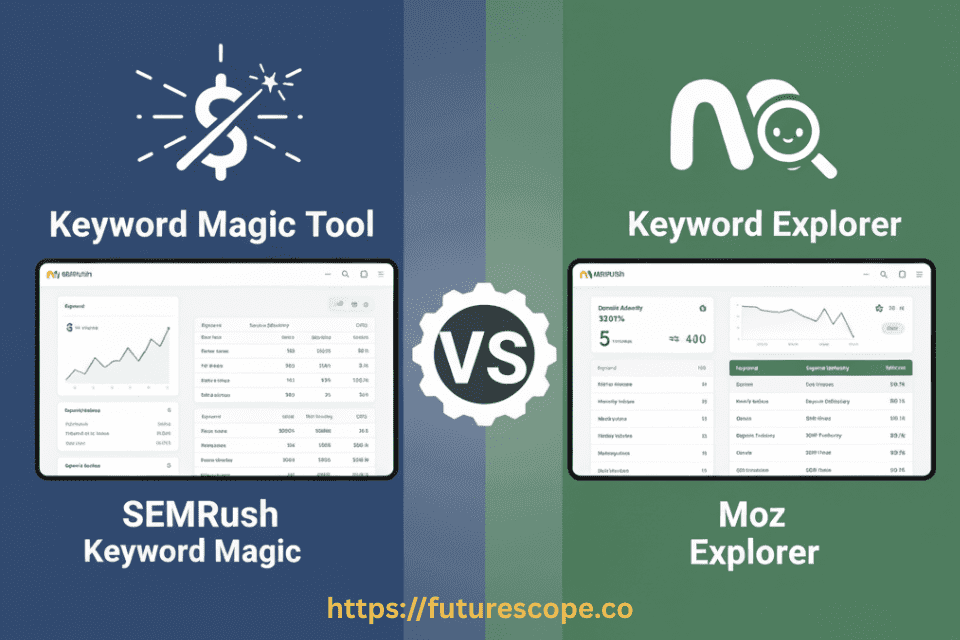

When it comes to mastering SEO, keyword research is the cornerstone of any successful strategy. Two of the most prominent tools in this domain—SEMrush Keyword Magic Tool and Moz Keyword Explorer—offer powerful capabilities to help marketers uncover high-performing keywords, analyze competition, and optimize content. But how do they stack up against each other? In this comprehensive comparison, we’ll explore their features, usability, data accuracy, pricing, and overall value to determine which tool best suits your SEO needs.
Overview: SEMrush Keyword Magic vs Moz Explorer
SEMrush Keyword Magic Tool is part of the broader SEMrush suite, a robust digital marketing platform used by over 10 million professionals worldwide. Known for its vast keyword database and advanced analytics, Keyword Magic is designed to help users discover long-tail keywords, analyze search intent, and build keyword lists with precision. It focuses on detailed keyword data, including search volume, keyword difficulty, CPC, intent, and SERP features. I
Moz Keyword Explorer, on the other hand, is a core feature of Moz Pro, a respected name in the SEO industry since 2004. Moz emphasizes simplicity and clarity, offering intuitive keyword suggestions, SERP analysis, and proprietary metrics like Keyword Difficulty and Opportunity Score. It focuses more on user-friendly keyword suggestions, organic CTR, and priority scores that help you choose keywords based on potential impact rather than just volume. It’s ideal for small businesses, bloggers, and those who prefer clean, straightforward keyword reports.
Keyword Database Size and Accuracy
One of the most critical factors in keyword research is the size and freshness of the database.
- SEMrush boasts over 26 billion keywords, updated frequently to reflect real-time search trends. This massive dataset allows users to explore niche topics, uncover hidden opportunities, and stay ahead of competitors.
- Moz’s database includes around 1.25 billion keywords, which, while substantial, is significantly smaller than SEMrush’s. This can limit the depth of research, especially for long-tail or emerging keywords. With smaller quantity keywords MOZ focused primarily on English-speaking regions like the US, UK, and Canada.
Verdict: SEMrush wins in terms of keyword volume and freshness, making it ideal for deep-dive research and competitive analysis.
Keyword Metrics and Insights
Both tools offer a range of metrics to evaluate keyword potential, but they differ in approach and accuracy.
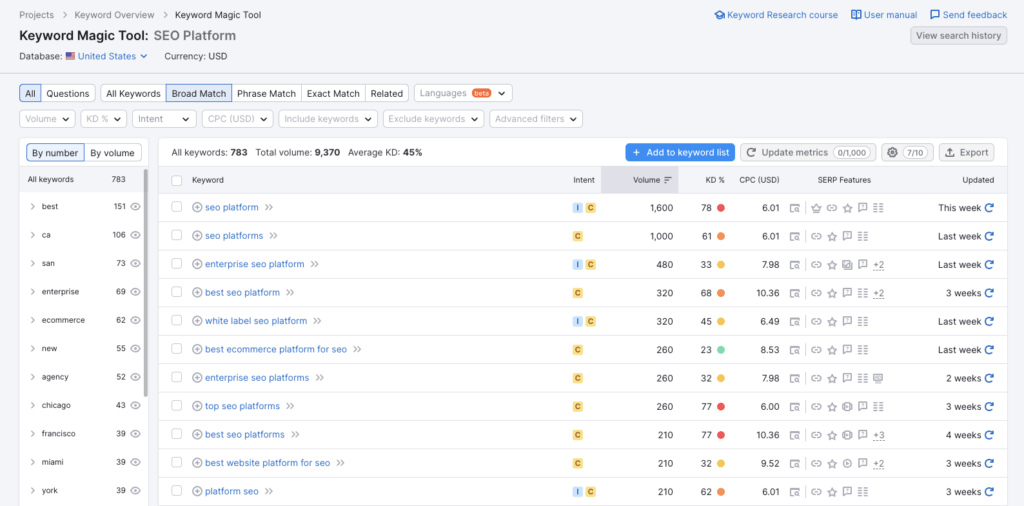
- SEMrush provides detailed metrics such as search volume, keyword difficulty, CPC, competition level, and SERP features. It also includes search intent classification, helping users understand whether a keyword is informational, navigational, commercial, or transactional.
- Moz offers proprietary metrics like Keyword Difficulty, Opportunity Score, and Potential Score. While these are helpful, Moz’s search volume estimates are often less accurate, especially for low-volume keywords.
Verdict: SEMrush delivers more granular and reliable data, especially for marketers focused on PPC and content strategy.
Keyword Suggestions and Filtering Options
Both tools offer keyword suggestions, but their filtering systems differ greatly.
In SEMrush Keyword Magic, users can filter keywords by match type (broad, phrase, exact, related), search intent, word count, and even SERP features. You can explore related keywords, questions, and trending terms all in one interface.
Moz Explorer also provides keyword suggestions but with fewer filters. It focuses mainly on related topics and phrases that share the same search intent. While less powerful than SEMrush in terms of data layers, Moz’s suggestions are often cleaner and easier to understand for quick keyword brainstorming.
Find Winning Keywords Before Your Competitors Do!
Supercharge your strategy with the SEMrush Keyword Magic Tool!
Explore keyword ideas, reveal search intent, and craft content that actually ranks.
Try it today and watch your traffic skyrocket!
User Interface and Usability
Ease of use can significantly impact productivity, especially for beginners.
- SEMrush’s Keyword Magic Tool features a clean, filter-rich interface that allows users to segment keywords by broad match, phrase match, exact match, and related terms. The tool also supports keyword grouping, making it easier to organize campaigns.
- Moz Keyword Explorer is known for its simplicity, offering a straightforward dashboard with essential metrics and keyword suggestions. It’s less cluttered, which can be appealing to new users.
Verdict: Moz is more beginner-friendly, but SEMrush offers greater flexibility and control for advanced users.
Competitive Analysis Capabilities
Understanding what keywords your competitors rank for is crucial in SEO.
- SEMrush excels in competitor analysis, allowing users to spy on rival domains, uncover their top-performing keywords, and analyze their backlink profiles. The Keyword Magic Tool integrates seamlessly with other SEMrush features like Domain Overview and Organic Research.
- Moz offers basic competitor insights, but lacks the depth and integration found in SEMrush. Its Link Explorer is useful for backlink analysis but doesn’t match SEMrush’s comprehensive suite.
Verdict: SEMrush is the clear winner for competitive intelligence and strategic planning.
Integration with Content Marketing
Keyword research is only the beginning—execution matters.
- SEMrush includes a full content marketing toolkit, featuring tools like SEO Content Template, Topic Research, and SEO Writing Assistant. These help users craft optimized content based on keyword data and SERP analysis.
- Moz does not offer dedicated content marketing tools, which means users must rely on external platforms for content creation and optimization.
Verdict: SEMrush provides an end-to-end solution from keyword discovery to content execution.
Reporting and Collaboration
For agencies and teams, reporting features are essential.
- SEMrush supports custom and white-label reports, scheduled PDF exports, and collaborative dashboards. This makes it ideal for client-facing work and team collaboration.
- Moz offers basic reporting, but lacks customization and scheduling features.
Verdict: SEMrush is better suited for professional environments requiring robust reporting capabilities.
Pricing and Value for Money
Budget considerations often influence tool selection.
- SEMrush Pro starts at $117.33/month, offering access to 500 tracked keywords, site audits, backlink analysis, and more. While it’s pricier, the value is justified by its extensive features.
- Moz Pro starts at $39/month, with access to 50 tracked keywords. It’s more affordable but limited in scope, making it suitable for small businesses or solo marketers.
Verdict: Moz is budget-friendly, but SEMrush delivers more power and depth for the price, especially for agencies and professionals managing multiple websites.
Find Winning Keywords Before Your Competitors Do!
Supercharge your strategy with the SEMrush Keyword Magic Tool!
Explore keyword ideas, reveal search intent, and craft content that actually ranks.
Try it today and watch your traffic skyrocket!
Support and Community
Reliable support can make a big difference in user experience.
- SEMrush offers 24/7 support, extensive documentation, webinars, and a vibrant user community. Its onboarding process is smooth, with tutorials and guides for every tool.
- Moz provides email support, a knowledge base, and an active community forum. However, live support options are limited.
Verdict: SEMrush provides more comprehensive support and learning resources.
Strengths and Weaknesses Summary
| Feature | SEMrush Keyword Magic Tool | Moz Keyword Explorer |
|---|---|---|
| Keyword Database | 26+ billion keywords | 1.25 billion keywords |
| Search Volume Accuracy | High | Moderate |
| Keyword Metrics | Detailed and diverse | Proprietary but limited |
| Search Intent | Yes | No |
| Competitive Analysis | Advanced | Basic |
| Content Marketing Integration | Yes | No |
| Reporting | Custom, white-label | Basic |
| Pricing | Higher ($117.33/month) | Lower ($39/month) |
| Usability | Advanced, filter-rich | Simple, beginner-friendly |
| Support | 24/7, webinars, tutorials | Email, community forum |
Final Thoughts: Which Tool Should You Choose and When?
If you’re a seasoned SEO professional, agency, or content marketer, SEMrush Keyword Magic Tool is the superior choice. Its vast keyword database, advanced metrics, and integration with content and competitive tools make it a powerhouse for strategic SEO.
However, if you’re a beginner, freelancer, or small business owner looking for a cost-effective and easy-to-use solution, Moz Keyword Explorer offers a solid starting point. Its intuitive interface and essential metrics provide a good foundation for basic keyword research.
Ultimately, the choice depends on your goals, budget, and level of expertise. For those seeking depth, precision, and scalability, SEMrush is the clear winner. For simplicity and affordability, Moz remains a reliable contender.
Frequently Asked Questions
What Are The Key Features Of SEMrush Keyword Magic?
Semrush offers extensive keyword databases and easy filtering options. It helps in discovering long-tail keywords effectively.
How Does Moz Keyword Explorer Find Keywords?
Moz focuses on keyword suggestions and difficulty scores. It helps identify the best keywords for your strategy.
Which Tool Offers Better Keyword Difficulty Analysis?
Moz is known for its detailed keyword difficulty metrics. It helps users understand the competition level.
Can SEMrush And Moz Improve SEO Strategy?
Both tools provide insights for SEO improvement. They offer different features to optimize your keyword strategy.
How Do Pricing Plans Compare For SEMrush And Moz?
Semrush offers various pricing tiers for different needs. Moz provides flexible plans for beginners and experts alike.