

Cryptocurrency is more than just a buzzword; it represents a transformative approach to money and finance. At its core, it is a digital or virtual form of currency that uses cryptography for security. This unique feature makes cryptocurrencies difficult to counterfeit, providing a level of trust absent in traditional currencies.
What Makes Cryptocurrency Unique?
Cryptocurrencies operate on decentralized networks based on blockchain technology. A blockchain is a distributed ledger that records all transactions across a network of computers. This technology ensures transparency and reduces the risk of fraud. Unlike traditional bank systems, where a central authority controls transactions, cryptocurrencies allow peer-to-peer exchanges, empowering users with more control over their assets.
Key Components of Cryptocurrencies
- Decentralization: Most cryptocurrencies are decentralized and operate without a central authority, enhancing user autonomy.
- Anonymity and Privacy: Users can make transactions without revealing their identities, although this varies by cryptocurrency.
- Limited Supply: Many cryptocurrencies have a capped supply, similar to precious metals, which can influence value over time.
- Global Access: Cryptocurrencies can be accessed from anywhere in the world, making them viable for international transfers without high fees.
Popular Cryptocurrencies
While Bitcoin was the first cryptocurrency, many others have emerged, each with unique features. Some of the most notable include:
- Ethereum (ETH): Known for its smart contract functionality, allowing developers to build decentralized applications (dApps) on its platform.
- Ripple (XRP): Focuses on enabling fast and low-cost international money transfers.
- Litecoin (LTC): Created as a “lighter” version of Bitcoin, it offers faster transaction confirmation times.
Risks and Considerations
Investing in cryptocurrencies comes with its own set of risks. The market is known for its volatility, meaning prices can fluctuate dramatically in short periods. Additionally, the regulatory landscape is constantly evolving, which may affect the legality and usability of certain cryptocurrencies.
Another critical aspect is the potential for scams and fraudulent schemes. Therefore, thorough research is essential before investing.
Transitioning Forward
Understanding these foundational elements lays the groundwork for your next steps in the cryptocurrency journey. As you begin to explore the numerous projects available, conducting diligent research will be key to making informed decisions about your investments. This understanding will also serve as a vital tool when assessing individual projects and their potential impact on the market.
Research with Proper Analysis
When diving into the world of cryptocurrency, it’s crucial to conduct thorough research and due diligence. This process will empower you to make informed decisions about which projects merit your investment. In this chapter, we will explore how to evaluate cryptocurrency projects by examining their whitepapers, development teams, market indicators, and real-world applications.
Evaluating Cryptocurrency Projects
Whitepapers
The whitepaper is a foundational document for any cryptocurrency project. It outlines the project’s purpose, technology, and implementation strategy.
- Project Purpose: Does the project address a specific problem or need?
- Technical Details: Are the technological claims verified and feasible?
- Roadmap: Is there a clear timeline for future developments?
Reading the whitepaper critically will help you gauge the project’s viability and seriousness.
Development Teams
A strong, transparent development team can significantly influence a project’s success. Look for:
- Experience: Do team members have relevant industry experience?
- Transparency: Is the team open about their identities and backgrounds?
- Community Engagement: How does the team interact with the community?
Assessing these elements can provide insights into whether the team has the capacity to deliver on their promises.
Analyzing Market Indicators
Market Capitalization
Market capitalization reflects the total value of a cryptocurrency and helps you understand its position within the market. A higher market cap often indicates stability, while smaller caps can denote risk and volatility.
- Large Cap: Generally more stable but may offer lower growth potential.
- Mid Cap: Could be a sweet spot for balancing risk and reward.
- Small Cap: High risk and high reward; suitable for more experienced investors.
Trading Volume and Price History
Trading volume indicates the level of interest in a cryptocurrency. Higher volumes suggest active trading and greater liquidity.
- Price Trends: Review historical price data to identify trends and patterns.
- Volatility: Understand the extent of price fluctuations over time.
This analysis will give you a clearer picture of how the cryptocurrency has performed historically.
Assessing Real-World Adoption
Beyond technical specifications and market data, the ultimate test of a cryptocurrency’s value lies in its real-world adoption.
- Use Cases: Is the cryptocurrency being used in practical applications?
- Partnerships: Are there established partnerships with businesses or organizations?
- User Adoption: What is the size and growth of the user base?
These factors will help you evaluate whether a cryptocurrency has long-term potential or if it’s merely a speculative investment.
With a solid understanding of research and due diligence, you’ll be better equipped to navigate the cryptocurrency landscape. This groundwork will pave the way for choosing the right exchange, where you can begin executing your investment strategy effectively.
Choosing a Cryptocurrency Exchange
Selecting the right cryptocurrency exchange is crucial to your investment journey. The exchange you choose can significantly impact your trading experience and security. Here’s what to consider when making your selection.
Comparing Security Features and Reputation of Different Exchanges
Security should be your top priority when choosing an exchange. Look for exchanges that have robust security measures, such as:
- Two-factor authentication (2FA)
- Cold storage of funds
- Regular security audits
- Transparent policies on data breaches
Research the reputation of exchanges by checking user reviews and feedback on forums. A well-regarded exchange will have a history of reliability and robust customer support. Avoid exchanges with frequent complaints or security incidents, as these could jeopardize your investment.
Evaluating Trading Fees, Payment Methods, and Supported Currencies
Trading fees can vary widely between exchanges. It’s essential to understand the fee structure, which may include:
- Deposit fees
- Withdrawal fees
- Trading fees (percentage of each transaction)
Low fees may seem attractive, but ensure that the exchange provides quality service in exchange for those costs.
Next, examine the payment methods accepted by the exchange. Common options include:
- Bank transfers
- Credit/debit cards
- PayPal
- Cryptocurrency deposits
Make sure the exchange supports the cryptocurrencies you’re interested in trading. Some exchanges focus on major currencies like Bitcoin and Ethereum, while others may offer a broader selection.
Considering Geographical Restrictions and Regulatory Compliance
Geographical restrictions play a significant role in your choice of exchange. Many exchanges operate only in specific countries, so check whether the exchange is available in your location. Additionally, it’s vital to review the regulatory compliance of the exchange. Secure and reputable exchanges adhere to local regulations, which adds a layer of trust and protection for your assets.
Look for exchanges that provide transparent information about their regulatory status and are compliant with anti-money laundering (AML) and know your customer (KYC) regulations.
As you navigate through the various choices in cryptocurrency exchanges, keep in mind the importance of aligning your selection with your investment goals and security needs. Making an informed decision at this stage can significantly influence your overall investment strategy and help pave the way for successful trading experiences.
Setting Up Your Investment Strategy
Determining Investment Goals and Risk Tolerance
Before diving into the world of cryptocurrency investments, it’s crucial to define your goals and understand your risk tolerance. Ask yourself what you hope to achieve—whether it’s short-term gains, long-term wealth accumulation, or diversification of your investment portfolio.
Assessing your risk tolerance involves evaluating how much volatility you can handle in your investments. Cryptocurrencies are known for their price swings; thus, a clear understanding of your comfort level with market fluctuations is essential. Consider using a risk assessment questionnaire or consulting with a financial advisor to help gauge your capacity for risk.
Developing a Diversification Strategy Across Different Cryptocurrencies
Once you have set your investment goals and understood your risk tolerance, the next step is to develop a diversification strategy. Diversifying your cryptocurrency investments can help mitigate risks associated with the volatility of single assets.
You might consider holding a mix of established cryptocurrencies like Bitcoin and Ethereum alongside newer projects that show promise. Here are some strategies to consider for diversification:
- Market Capitalization: Invest in a combination of large-cap, mid-cap, and small-cap cryptocurrencies.
- Technology and Use Cases: Allocate funds across different technologies (e.g., smart contracts, decentralized finance) to spread your risk.
- Geographic Exposure: Look at projects from various regions to minimize the impact of local regulatory changes.
Having a well-rounded portfolio can provide stability and opportunities for growth, regardless of market conditions.
Creating a Plan for Entry Points and Position Sizing
Establishing entry points and determining how much to invest in each cryptocurrency is vital for effective investing. A systematic approach can help you make more informed decisions and avoid emotional trading.
Start by setting specific entry points based on market analysis or technical indicators. For instance, consider buying during dips or when a cryptocurrency reaches a particular support level. This strategy can enhance your chances of purchasing at favorable prices.
Position sizing refers to the amount of capital allocated to each investment. A common method is the fixed percentage rule, where you invest a predetermined percentage of your total portfolio in each asset. This helps maintain balance and minimizes the risk of overexposure to any single investment.
By having a solid plan for entry points and position sizing, you can navigate the volatile nature of cryptocurrencies with confidence.
As you refine your investment strategy, remember that securing your investments is just as critical. Understanding the various types of wallets and implementing strong security practices will ensure your assets remain safe as you embark on your cryptocurrency journey.
Securing Your Investment
When it comes to cryptocurrency, security is paramount. As you move beyond developing your investment strategy, it’s essential to understand how to protect your digital assets. This section will explore different types of wallets, strong practices for storing private keys, and backup procedures to safeguard your investments.
Understanding Different Types of Cryptocurrency Wallets
Cryptocurrency wallets are tools that allow you to store and manage your digital currencies securely. They come in various forms, each with unique features and levels of security.
- Hot Wallets: These wallets are connected to the internet and are typically more convenient for frequent transactions. Examples include mobile apps and web wallets. However, they are also more vulnerable to hacking and cyberattacks.
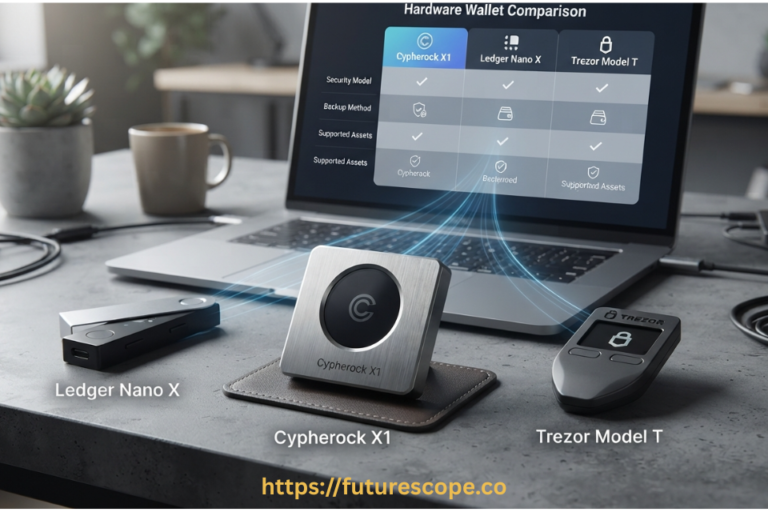
- Cold Wallets: Cold wallets are offline storage solutions that provide enhanced security against online threats. Hardware wallets, such as Trezor or Ledger, fall into this category. They store your private keys on a physical device, making it significantly harder for hackers to access your funds.
- Paper Wallets: A paper wallet involves generating your private keys and public addresses on paper, which you can then store safely. While this method eliminates online vulnerabilities, it also requires careful handling, as losing the paper means losing access to your funds.
Choosing the right wallet depends on your trading habits and security preferences. For long-term investors, cold wallets are often recommended for maximum protection.
Implementing Strong Security Practices for Storing Private Keys
Your private key is the most critical piece of information when it comes to securing your cryptocurrency. If someone gains access to your private key, they gain control over your assets. Here are some best practices for safeguarding your private keys:
- Use Strong Passwords: Always create complex passwords with a mix of letters, numbers, and symbols. Avoid using easily guessable information.
- Enable Two-Factor Authentication (2FA): Adding an additional layer of security can significantly reduce the risk of unauthorized access. Use apps like Google Authenticator or Authy for 2FA.
- Regularly Update Software: Ensure that any software related to your wallets and exchanges is up-to-date. Developers frequently release updates to fix security vulnerabilities.
- Be Wary of Phishing Attempts: Always double-check URLs and be cautious of unsolicited emails or messages asking for sensitive information.
Backup and Recovery Procedures for Crypto Assets
Backup procedures are crucial for recovering your assets in case of loss or theft. Follow these steps to ensure your investments remain secure:
- Create a Secure Backup: Write down your recovery phrase or seed phrase on paper and store it in a secure location. This phrase allows you to recover your wallet if needed.
- Consider Multiple Backups: It’s wise to have several copies of your backup stored in different secure places.
- Test Recovery: Regularly test your backup and recovery process to ensure it works smoothly when needed.
By implementing these security measures, you can greatly reduce the risk of losing your cryptocurrency investments. As you become more familiar with securing your digital assets, remember that the landscape is continually evolving. Staying informed about new security practices and technologies is vital for protecting your investments.
With a solid foundation in asset security, you’re now ready to explore the broader aspects of managing and growing your cryptocurrency portfolio.
Promising Cryptocurrencies to Buy in 2025!
Here are some promising cryptocurrencies to consider for 2025 based on their growth potential and utility:
- Bitcoin (BTC): The most established cryptocurrency, Bitcoin remains a popular investment choice due to its market dominance and potential for long-term growth
- Ethereum (ETH): Known for its versatile blockchain supporting smart contracts and decentralized applications, Ethereum is expected to remain a key player in Web3 and DeFi.
- Ripple (XRP): Focused on streamlining cross-border payments, XRP is favored for its fast, low-cost transactions and growing adoption among financial institutions.
- Solana (SOL): A high-performance blockchain optimized for speed and scalability, Solana supports a thriving ecosystem of decentralized apps and NFTs.
- Cardano (ADA): Designed for scalability and sustainability, Cardano is popular for its strong community and focus on innovation in smart contracts and dApps.
- Binance Coin (BNB): As the native token of Binance, it has a wide range of use cases, including trading fee discounts and participation in the Binance ecosystem.
- Polygon (MATIC): A Layer-2 scaling solution for Ethereum, Polygon enhances transaction speed and cost-efficiency, making it popular for decentralized applications.
- Fantom (FTM): A fast, low-cost blockchain known for its scalability and use in decentralized applications.
These cryptocurrencies have shown potential due to technological advancements, adoption, and ecosystem development. However, cryptocurrency investments are highly volatile and risky, so thorough research and diversification are essential.
Wrapping Up
To pick and buy a valuable cryptocurrency, focus on researching the project’s utility, adoption potential, and team credentials. Analyze market trends, technological innovation, and competitive positioning. Evaluate the risk-reward ratio and invest only what you can afford to lose. Finally, diversify your investments and use secure platforms to purchase and store cryptocurrencies. Remember, thorough research and staying updated on market developments are key to making informed decisions.
Frequently Ask Questions
Which crypto has 1000x potential?
Predicting which cryptocurrency has 1000x potential is speculative and uncertain. However, some factors that could influence such potential include:
- Innovation: Cryptos with groundbreaking technology (e.g., layer-2 solutions, AI, or quantum-resistant encryption).
- Adoption: Projects with strong real-world use cases and widespread adoption (e.g., decentralized finance, gaming, or NFTs).
- Community and Development: A strong, active developer community and solid backing from influential figures can also play a role.
Some promising contenders often mentioned include smaller altcoins with unique value propositions or those still in early development, but it’s important to conduct thorough research and be aware of the high risks.
Which crypto is best to buy now?
The “best” crypto to buy depends on your investment goals and risk tolerance. Some popular options to consider are:
- Bitcoin (BTC) – The largest and most established crypto, often seen as a store of value.
- Ethereum (ETH) – Known for its smart contract functionality and wide ecosystem.
- Binance Coin (BNB) – Tied to the Binance exchange, offering various utilities.
- Solana (SOL) – A fast, scalable blockchain with growing developer interest.
- Polkadot (DOT) – Focuses on interoperability between different blockchains.
Always do your own research (DYOR), considering factors like market trends, technology, and project teams. Crypto investments are risky and volatile.
Which crypto has big future?
Cryptos with big potential for the future often have strong use cases, scalability, and innovation. Some of these include:
- Ethereum (ETH) – With smart contracts and decentralized apps, it powers much of the DeFi and NFT space.
- Polkadot (DOT) – Focuses on blockchain interoperability, aiming to connect different networks.
- Solana (SOL) – A high-speed blockchain that could become a major player in decentralized apps and NFTs.
- Chainlink (LINK) – Provides decentralized oracles, bridging real-world data with smart contracts.
- Cardano (ADA) – A scalable, eco-friendly blockchain with a focus on academic rigor.
These projects have strong technology and community backing, positioning them for long-term growth. However, the market is volatile, and success is never guaranteed.
Which crypto is booming right now?
As of December 2024, several cryptocurrencies are experiencing significant momentum:
- Solana (SOL): Known for its speed and scalability, Solana has gained attention for its meme coin boom and substantial growth, including impressive returns for altcoins like Maker (MKR). Solana is becoming a key player in the decentralized finance (DeFi) and NFT sectors.
- Toncoin (TON): Gaining traction due to its fast transactions and integration with social platforms like Telegram, Toncoin’s focus on mass adoption makes it a strong competitional.
- Sei (SEI): This high-speed blockchain is optimized for trading, with a promising upgrade to its ecosystem that could make it a major competitor to Solana.
- Qubetics: While still in its presale phase, Qubetics is attracting attention for its innovative crypto wallet platform, offering huge potential for early investors.
These projects stand out due to their innovation, scalability, and real-world applications, making them among the most exciting in the market right now.