

LED-backlit LCD refers to a liquid crystal display (LCD) technology that uses light-emitting diodes (LEDs) to provide backlighting, enhancing the image quality and screen brightness. This technology offers more vibrant colors, improved contrast, and energy efficiency compared to traditional LCD displays.
With LED-backlit LCD, the display panel itself is still an LCD screen, but instead of using cold cathode fluorescent lamps (CCFLs) for backlighting, it utilizes LEDs. These LEDs are positioned behind the screen and emit light through a diffuser, allowing for greater control over the brightness and contrast levels.
LED-backlit LCDs are commonly found in computer monitors, televisions, smartphones, and other electronic devices. This advanced technology has become popular due to its ability to deliver sharper images, deeper blacks, wider color gamut, and thinner form factor. Moreover, LEDs being energy-efficient, they contribute to longer battery life in mobile devices and reduced power consumption in home electronics. As a result, LED-backlit LCD screens have become the preferred choice for consumers seeking enhanced visual experiences with reduced energy consumption.
The Evolution Of Display Technology
Introduction To Display Technology Advancements Over The Years
The world of display technology has undergone a remarkable transformation in recent years. From the early cathode ray tube (CRT) monitors to the sleek LED-backlit LCD screens we see today, the industry has constantly pushed the boundaries to enhance visual experiences.
The demand for better picture quality, improved energy efficiency, and sleeker design has spurred the development of innovative display technologies. These advancements have revolutionized the way we interact with digital content, be it on our smartphones, laptops, or televisions.
In this article, we will delve into the evolution of display technology and examine how LED-backlit LCD technology has become a game-changer in the industry.
How LED-backlit LCD Technology Revolutionized The Industry
LED-backlit LCD stands for Light Emitting Diode-backlit Liquid Crystal Display. This technology has become the gold standard in the display industry due to its remarkable advantages over its predecessors.
One of the key benefits of LED-backlit LCD technology is its ability to provide exceptional picture quality. By incorporating LEDs as the backlight source, these displays are able to produce vivid colors, deeper blacks, and higher contrast ratios. This creates a more immersive visual experience, whether you are watching a movie, playing a video game, or working on graphic design projects.
Furthermore, LED-backlit LCD screens also offer improved energy efficiency. LEDs consume significantly less power compared to the traditional cold cathode fluorescent lamps (CCFLs) used in older LCD displays. This energy-saving feature not only reduces electricity consumption but also contributes to a greener environment.
In addition, LED-backlit LCD technology has enabled displays to become thinner and lighter without compromising on performance. The LED backlighting system allows for greater control over the brightness, resulting in slimmer form factors and more portable devices.
A notable advancement in LED-backlit LCD technology is the introduction of local dimming. This technology selectively adjusts the brightness of different regions of the screen, providing more precise control and enhancing the display’s dynamic range. As a result, images appear more realistic and detailed, with improved shadow details and highlights.
Moreover, LED-backlit LCD displays offer longer lifespan compared to traditional CCFL counterparts. LEDs have a longer operational life, which means that users can enjoy their devices for extended periods without worrying about having to replace the backlighting system. This durability aspect makes LED-backlit LCD displays a practical and cost-effective choice for consumers.
In conclusion, LED-backlit LCD technology has transformed the display industry through its superior picture quality, energy efficiency, slim design, local dimming capability, and longer lifespan. With each passing year, advancements in display technology continue to push the boundaries, promising even more exciting visual experiences in the future.
Credit: www.prnewswire.com
Unveiling The Power Of LED Backlighting
LED backlighting has revolutionized the world of LCD displays, elevating the visual experience to new heights. By harnessing the power of Light Emitting Diodes (LEDs) as a backlight source, LED-backlit LCDs offer enhanced picture quality, energy efficiency, and a longer lifespan compared to their traditional CCFL backlighting counterparts. In this article, we will delve into the concept of LED backlighting in LCD displays, highlighting its advantages over traditional CCFL backlighting.
Explaining The Concept Of Led Backlighting In Lcd Displays
LED backlighting is a technology that involves the use of Light Emitting Diodes (LEDs) as a light source positioned behind the liquid crystal layer of an LCD display. Unlike traditional Cold Cathode Fluorescent Lamps (CCFL) that were widely used in older LCD displays, LEDs emit light directly, eliminating the need for additional filters and diffusers. This allows for greater control over brightness and color accuracy, resulting in sharper and more vibrant images.
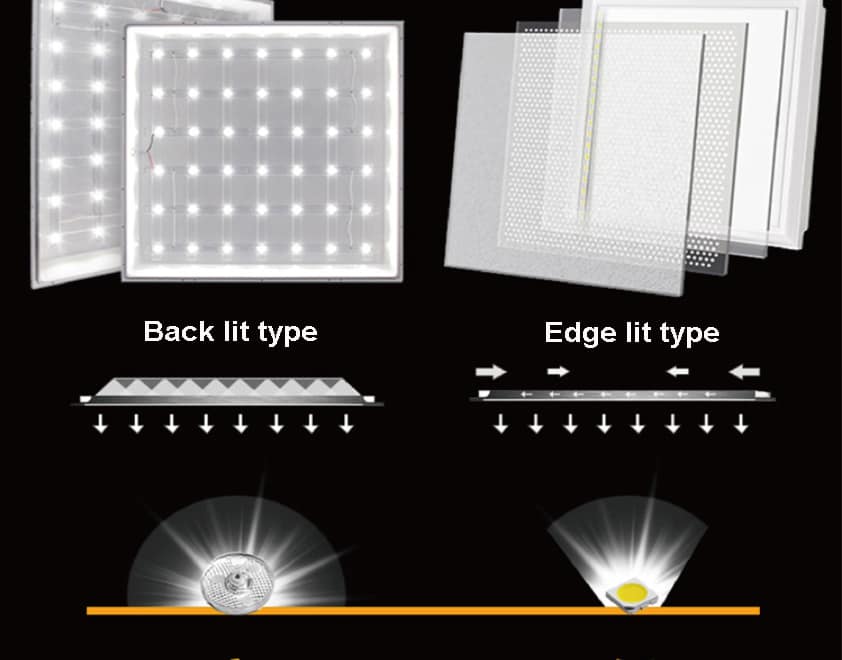
LED-backlit LCDs come in two main variants – Edge-lit and Direct-lit. In Edge-lit displays, LEDs are placed along the edges of the display panel, and the light is distributed across the screen using reflectors. On the other hand, Direct-lit displays feature a grid of LEDs positioned behind the entire display area, providing more uniform backlighting and better contrast.
Benefits Of Led Backlighting Over Traditional Ccfl Backlighting
| Benefits of LED backlighting | Traditional CCFL backlighting |
|---|---|
| Higher energy efficiency, consuming considerably less power | Higher power consumption |
| Improved brightness and contrast ratio | Lower brightness and contrast ratio |
| Wider color gamut and better color accuracy | Limited color gamut and color accuracy |
| Reduced environmental impact due to lower mercury content | Higher mercury content, posing environmental risks |
| Thinner and lighter displays | Bulkier and heavier displays |
| Longer lifespan with minimal degradation in performance | Shorter lifespan and gradual performance degradation over time |
Aside from the technical advantages, the use of LED backlighting also contributes to a greener and more sustainable future. LED-backlit LCDs consume less energy, reducing carbon emissions and overall energy consumption. Furthermore, LEDs contain no mercury and have a longer lifespan, resulting in less electronic waste. This combination of superior performance, energy efficiency, and eco-friendliness makes LED backlighting the preferred choice for modern LCD displays.
Components Of LED-backlit LCD Displays
The technology behind LED-backlit LCD displays has revolutionized the way we view images on our screens. Understanding the key components involved in LED-backlit LCD technology is essential to grasp how these displays work and deliver vibrant visuals. In this section, we will delve into the role of LEDs, light guides, and diffusers in the backlighting system of LED-backlit LCD displays.
Understanding The Key Components Involved In Led-backlit Lcd Technology
In order to fully comprehend how LED-backlit LCD displays function, it is important to familiarize ourselves with the main components that make up this technology. These components work in harmony to produce high-quality images with exceptional color accuracy and contrast.
Role Of Leds, Light Guides, And Diffusers In The Backlighting System
LEDs, or light-emitting diodes, form the backbone of the backlighting system in LED-backlit LCD displays. These tiny, powerful light sources play a crucial role in ensuring that the screen is evenly illuminated, allowing the LCD panel to display images with remarkable clarity.
Working in conjunction with the LEDs, light guides provide efficient and uniform distribution of light across the entire display area. Light guides are designed to capture the light emitted by the LEDs and redirect it towards the LCD panel. This process helps eliminate hotspots and ensures that the brightness is consistent across the screen.
Diffusers, on the other hand, further aid in evenly distributing the light emitted by the LEDs. Their purpose is to scatter the light and prevent any bright spots or patches from appearing on the screen. By diffusing the light, these components help create a smooth and uniform backlight, resulting in a visually pleasing viewing experience.
Overall, the combination of LEDs, light guides, and diffusers forms the foundation of LED-backlit LCD displays. Their collective functionality ensures that the screen is uniformly illuminated, enabling the LCD panel to accurately reproduce lifelike images with vibrant colors, deep blacks, and striking contrast.
Different Types Of LED-backlit LCD Displays
When it comes to LED-backlit LCD displays, there are several different types available in the market. Each type offers its own unique benefits and features, making it important to understand the differences before making a purchase decision. In this article, we will explore the various types of LED-backlit LCD displays including direct LED, edge-lit, and full-array local dimming technologies.
Exploring The Various Types Of Led-backlit Lcd Displays Available
1. Direct Led:
Direct LED, also known as full-array LED, is a type of LED-backlit LCD display where the LEDs are placed directly behind the LCD panel. This setup allows for better control over the backlighting, resulting in improved brightness, contrast, and black levels. In direct LED displays, the LEDs can be individually dimmed to enhance image quality and provide better uniformity across the entire screen.
2. Edge-lit:
Edge-lit LED-backlit LCD displays, as the name suggests, have LEDs placed along the edges of the screen. This setup allows for a slimmer profile and lighter weight compared to direct LED displays. However, edge-lit displays may not offer the same level of control over backlighting as direct LED displays. The LEDs in edge-lit displays can only dim sections or zones of the screen, resulting in uneven lighting and potentially reduced contrast.
3. Full-array Local Dimming:
Full-array local dimming (FALD) is a technology that is found in some high-end LED-backlit LCD displays. FALD combines the benefits of direct LED and local dimming to enhance image quality. In FALD displays, the LEDs are placed in a grid behind the LCD panel, allowing for precise control over the backlighting. This technology enables individual zones of LEDs to be dimmed or brightened, resulting in improved contrast and deeper blacks. FALD displays offer superior picture quality compared to both direct LED and edge-lit displays.
Overall, the choice of LED-backlit LCD display depends on your specific needs and preferences. If you prioritize image quality and uniform backlighting, a direct LED or full-array local dimming display would be an excellent choice. On the other hand, if a slim and lightweight design is more important to you, an edge-lit display may be suitable. Consider your viewing environment, budget, and desired features when deciding on the type of LED-backlit LCD display that best suits your requirements.
Frequently Asked Questions Of What Is LED-backlit LCD?
What Is A LED-backlit LCD?
A LED-backlit LCD is a display technology used in televisions, computer monitors, and other devices. It combines a liquid crystal display (LCD) with a backlighting system composed of light-emitting diodes (LEDs). This technology provides enhanced image quality, improved color accuracy, and higher energy efficiency compared to traditional LCD displays.
How Does LED-backlighting Work In LCD?
LED-backlighting works by utilizing an array of light-emitting diodes (LEDs) positioned behind the LCD panel. These LEDs emit white light, which passes through the LCD pixels to create the displayed image. The LEDs can be arranged either in a full-array configuration, where they are evenly distributed across the entire panel, or in an edge-lit configuration, where they are positioned along the edges of the panel.
What Are The Benefits Of LED-backlit LCDs?
LED-backlit LCDs offer several advantages over traditional LCDs. They provide a higher contrast ratio, resulting in deeper blacks and brighter whites. LED-backlit LCDs also offer a wider color gamut, allowing for more vibrant and accurate color reproduction. Furthermore, they consume less power, have a longer lifespan, and produce less heat compared to other display technologies.
Are LED-backlit LCDds Better Than OLED Displays?
LED-backlit LCDs and OLED displays have different strengths and weaknesses. LED-backlit LCDs offer better brightness levels, color accuracy, and are more affordable. On the other hand, OLED displays provide superior contrast ratios, faster response times, and wider viewing angles. The choice between the two depends on the specific requirements and preferences of the user.
Conclusion
To sum up, LED-backlit LCD technology has revolutionized the display industry by enhancing picture quality, energy efficiency, and color saturation. With its slim design and stunning visuals, it has become the preferred choice for modern televisions, computer monitors, and smartphones.
By ensuring a brighter and more vibrant viewing experience, LED-backlit LCDs have set new standards for visual entertainment. Stay updated with the latest advancements in display technology to make the most of this cutting-edge innovation.