
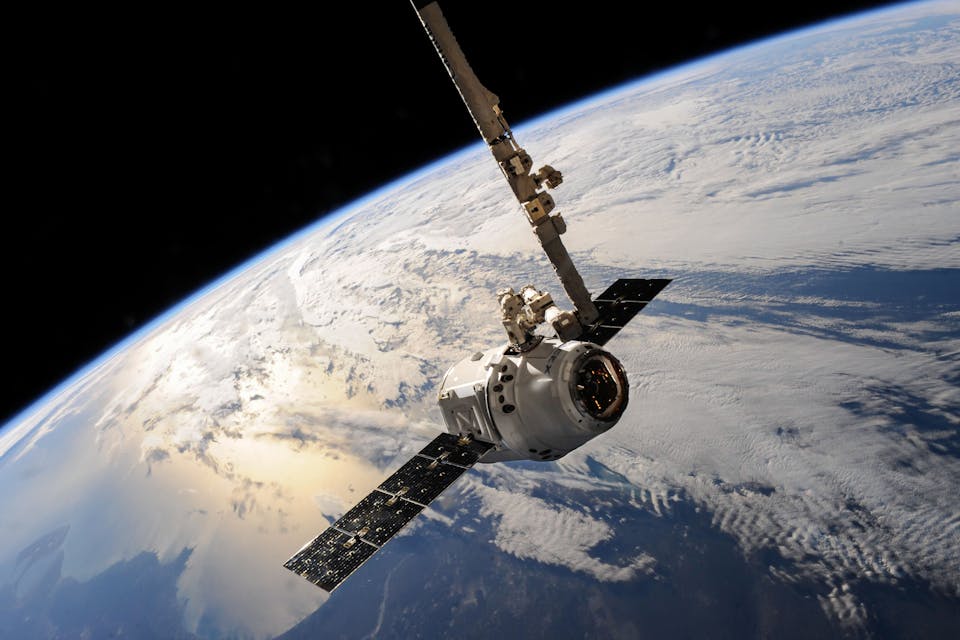

Starlink, SpaceX’s satellite-based internet service, has sparked a range of concerns globally across multiple sectors. While its promise of global internet access is revolutionary, there are several significant issues that have raised alarms:
1. Space Debris and Orbital Congestion
- Risk of Collisions: Starlink’s plan involves deploying tens of thousands of satellites, greatly increasing the number of objects in low Earth orbit (LEO). This increases the risk of collisions with other satellites or space debris, potentially leading to a cascade effect known as the Kessler Syndrome, where one collision generates debris that leads to further collisions.
- Space Junk Management: There are concerns about how SpaceX will handle the end-of-life disposal of Starlink satellites and prevent the creation of long-lasting space debris.
2. Astronomical Interference
- Impact on Astronomy: Starlink satellites have raised alarms among astronomers due to their potential to interfere with observations of the night sky. The satellites reflect sunlight, creating bright streaks in telescope images and making it harder for ground-based telescopes to detect faint celestial objects.
- Light Pollution: Starlink’s large constellation has contributed to increasing light pollution in the night sky, affecting not just scientists but also stargazers.
3. Global Internet Monopoly Concerns
- Market Dominance: Starlink could give SpaceX significant control over the global internet infrastructure, especially in remote or underserved regions. This raises fears of a monopoly, where SpaceX could dictate terms of service, pricing, and access to internet services in the future.
- Competition with Local ISPs: Starlink’s entry into rural and underserved markets could undercut local internet service providers, driving them out of business and further consolidating control in the hands of one global company.
4. Security and Privacy Issues
- Surveillance and Hacking: A global satellite-based internet system raises concerns about surveillance, data security, and potential cyberattacks. There is fear that such a network could be used for surveillance purposes by governments or third-party actors, or be vulnerable to hacking and cyber intrusions.
- Bypassing Censorship: While this is seen as a benefit in countries with heavy internet censorship, it could also lead to tensions with governments who enforce strict internet regulations and control, such as China and Russia.
5. Environmental Impact
- Launch Pollution: The frequent rocket launches required to deploy and maintain the Starlink constellation could have a negative environmental impact, particularly due to the carbon emissions and other pollutants released during launches.
- Disposal of Satellites: When Starlink satellites reach the end of their operational lives, they either burn up in the atmosphere or require deorbiting. There are concerns about the long-term environmental impact of these processes, including the release of harmful materials during atmospheric re-entry.
6. Geopolitical Tensions
- International Regulation: Starlink’s global nature challenges national sovereignty over communications infrastructure, as it allows users to access the internet independently of local telecommunications providers. This could lead to conflicts with governments that want control over internet access, such as China, Russia, or Iran.
- Weaponization Concerns: Some fear that Starlink’s network could be used for military purposes, such as communications during conflicts, intelligence gathering, or even electronic warfare. This could heighten tensions, especially with nations wary of U.S. technological dominance.
7. Cost and Accessibility
- Affordability: Despite its promise of bringing internet to underserved areas, Starlink’s hardware and service costs (e.g., the $499 price for the satellite dish and the monthly service fee) may be too expensive for some of the world’s poorest regions, raising questions about who will really benefit from the service.
- Sustainability: It’s unclear whether Starlink will be financially sustainable in the long term, especially in regions where its cost is prohibitive, raising concerns about its viability and the potential for disruption if the service fails.
8. Ethical Concerns about Privatized Space
- Privatization of Space: Some critics argue that allowing private companies like SpaceX to dominate satellite and space-based communication networks sets a worrying precedent for the privatization of space, where profit motives could trump broader human or environmental concerns.
- Limited Global Input: Starlink’s rapid deployment, with limited international regulatory oversight, raises concerns that space is being shaped by the priorities of a few private actors without broader input from the global community.
Starlink’s ambition to provide global internet coverage brings revolutionary opportunities, but the associated concerns reflect the complex and evolving relationship between technology, regulation, and global governance.