
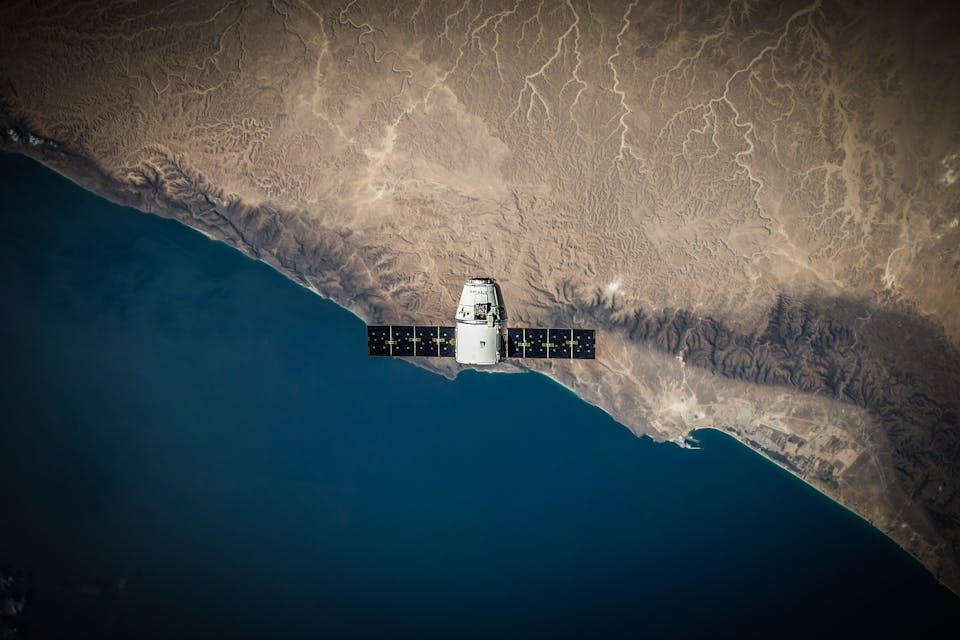

China’s apprehension towards Starlink stems from its potential to disrupt the country’s tightly controlled communication landscape. The widespread deployment of Starlink could enable unfiltered access to information for millions of Chinese citizens, undermining the government’s efforts to maintain a grip on the narrative. This growing concern highlights the increasing significance of satellite internet in the realm of global communication.
As Starlink expands, its reach poses a unique challenge to China’s censorship mechanisms. The possibility of citizens circumventing the Great Firewall using Starlink has led to heightened vigilance from Chinese officials. They recognize that a more connected population could foster dissent and alternative viewpoints that threaten the state’s authority.
The competition for technological superiority further fuels China’s fear of Starlink. With the U.S. leading in satellite technology, China’s strategic response involves both tightening domestic controls and accelerating its satellite development initiatives. Understanding these dynamics reveals the intricate relationship between technology and geopolitics in contemporary society.
Strategic Implications of Starlink
Starlink represents a major advancement in satellite communication. Its global internet coverage could disrupt traditional telecommunications. Nations lacking robust infrastructure might gain significant advantages.
China perceives this technology as a threat to its information control. Enhanced connectivity allows for rapid dissemination of information, impacting government narratives.
The potential for military applications is another concern. Starlink offers strategic real-time communication capabilities. This could enhance operational effectiveness for various military entities.
Additionally, the network’s capacity to support IoT devices may further alter the strategic landscape. Increased data flow could challenge national security measures.
Key implications include:
- Surveillance: Improved connectivity could enable enhanced monitoring of dissenting voices.
- Cybersecurity: New vulnerabilities may emerge as data transfer becomes more widespread.
- Geopolitical Balance: Countries leveraging Starlink may gain a strategic edge in regional conflicts.
In summary, the strategic implications of Starlink extend from military considerations to issues of information sovereignty. This technology poses challenges for nations trying to maintain control over domestic and international communications.
Global Communication Dominance
Starlink represents a significant shift in global communications. Its constellation of satellites offers high-speed internet access across the globe, particularly in remote areas.
Countries with limited infrastructure can now connect to the internet, creating opportunities for economic development and information exchange. This capability raises concerns for nations like China, which prioritize control over information flow.
Key points of concern for China include:
- Information Control: Starlink enables free access to information, challenging China’s stringent censorship practices.
- Geopolitical Influence: An expansive network allows the United States to strengthen its influence worldwide.
- Security Threats: The potential for unmonitored communication could lead to the spread of ideas contrary to state narratives.
China’s response involves enhancing its own satellite capabilities and expanding its network to maintain sovereignty over communication. The emergence of companies like Starlink underscores the shift toward privatized space assets, contrasting with traditional government-controlled systems.
With satellite technology advancing rapidly, the landscape of global communication is evolving. This evolution poses challenges for state-controlled media and regulation frameworks in authoritarian regimes.
Starlink and Cybersecurity Concerns
Starlink’s global satellite internet network has raised significant cybersecurity concerns. These issues primarily revolve around hacking risks and the potential for surveillance and espionage.
Hacking Risks and Network Integrity
The expansive nature of Starlink’s satellite network presents numerous hacking vulnerabilities. As more satellites are launched, the complexity of securing these systems increases. Cyber attackers may exploit weaknesses in communication links between satellites and ground stations.
Starlink’s open architecture could make it a target for hackers aiming to disrupt services or steal sensitive data. Moreover, attacks could potentially compromise network integrity, affecting both individual users and critical infrastructure.
Key considerations include:
- Vulnerability to DDoS attacks: Distributed Denial of Service attacks could overwhelm Starlink’s network.
- Data interception risks: Hackers may attempt to intercept data transmitted through the satellite channels.
Surveillance and Espionage Implications
Starlink’s capabilities may facilitate unauthorized surveillance and espionage activities. Governments could potentially use the satellite network to gather intelligence on rival nations, leading to heightened security concerns.
The ability to communicate from virtually anywhere raises alarms regarding privacy violations. There is potential for foreign actors to exploit Starlink for spying on government and military operations.
Factors influencing these risks include:
- Global reach: Access to information across borders may increase data vulnerability.
- Collaboration with governments: Ties between corporations and national security agencies can result in misuse of data.
Such implications underscore the need for robust cybersecurity measures to protect against these risks.
Starlink’s Impact on Chinese Telecommunications
Starlink’s presence is reshaping the landscape of global telecommunications. Its competition with Chinese satellite initiatives and influence in developing markets pose significant challenges for China’s telecommunications strategy.
Competition with Chinese Satellites
Starlink’s aggressive expansion threatens the Chinese satellite industry. China’s state-owned enterprises, like China Satcom, dominate the domestic market. However, Starlink offers a level of global access that can undermine their position.
The increasing reach of Starlink may attract customers who once relied on Chinese providers. This shift could lead to decreased revenues for local companies. Additionally, with a potential user base of millions, Starlink can leverage economies of scale that Chinese operators may struggle to match.
China’s response includes enhancing its satellite technology and exploring partnerships with other nations, emphasizing the urgency to bolster its competitive edge.
Influence on Developing Markets
Starlink targets underserved regions, promoting its services where connectivity is limited. This strategy can impact Chinese investments in telecommunications in developing countries.
China has invested heavily in infrastructure projects in Africa and Southeast Asia. As Starlink gains traction, it threatens to shift the allegiance of these nations away from Chinese partners. The access to fast, reliable internet can make Starlink an attractive alternative for governments seeking to connect their populations.
The growing presence of Starlink may prompt China to reconsider its approach in these regions, focusing on offering competitive services to reclaim influence over critical markets. This dynamic underscores the interconnected nature of global telecommunications and national interests.
Military Concerns Associated with Starlink
Starlink’s expanding network of satellites raises significant military concerns for China. Key issues include potential anti-satellite capabilities and the enhancement of communication for adversaries.
Anti-Satellite Capabilities
China is particularly wary of the anti-satellite capabilities that a constellation like Starlink can provide. The network’s advanced technology may facilitate tracking and targeting of Chinese satellites, impacting national security measures.
In addition, the ability to deploy small satellite-based systems could potentially enable adversaries to engage Chinese space assets more effectively. This shift could destabilize regional security dynamics, prompting China to reassess its space defense strategies and invest in countermeasures.
Enhanced Communication for Adversaries
Starlink could provide enhanced communication capabilities to adversaries, allowing for more coordinated military operations. Improved connectivity enables quicker decision-making and real-time intelligence sharing among allied forces.
Such developments may strengthen the military effectiveness of nations that China views as potential threats. As adversaries gain more reliable communication systems, China might feel compelled to adapt its operational strategies and intensify its military preparedness in response.
Economic and Trade Considerations
China’s concerns regarding Starlink include potential impacts on its economic landscape. The satellite internet system could facilitate global communication, influencing trade dynamics.
Impacts on Chinese Businesses:
Enhanced Competition: Starlink provides faster internet access, potentially allowing foreign companies to compete more effectively with local firms.
Market Access: Foreign businesses may gain better access to Chinese markets, challenging state-owned enterprises.
Investment and Innovation:
Foreign Direct Investment (FDI): Increased global connectivity may attract more foreign investments in China’s technology sector.
Technological Dependency: Reliance on foreign technology could hinder China’s ambitions to lead in cutting-edge sectors.
Intellectual Property Risks:
Data Security Concerns: The proliferation of satellite technology raises fears over unauthorized data access and intellectual property theft.
Supply Chain Vulnerabilities: Integrating Starlink could expose vulnerable supply chains to outside influences.
Policy Responses:
China may implement strict regulations to counteract these risks. Measures could include:
Monitoring Foreign Tech: Scrutinizing foreign companies’ activities within China.
Increasing Local Investments: Fostering homegrown technology advancements to reduce dependency on foreign systems.
These considerations highlight China’s strategic calculus in evaluating the implications of Starlink in the context of its economy and trade relationships.
Diplomatic Negotiations and International Relations
China’s concerns regarding Starlink are deeply intertwined with diplomatic dynamics and international legal frameworks. The interactions between nations about space activities shape the geopolitical landscape and influence strategic decisions.
UN Treaties and Space Laws
The Outer Space Treaty of 1967 establishes a framework for the peaceful use of outer space. This treaty sets principles for international cooperation, including that space shall be freely accessible. China views the potential for Starlink to control satellite communications as a challenge to these principles.
China has emphasized the need for existing treaties to be adapted for modern technologies. It fears that unilateral actions by private companies like SpaceX could undermine international stability. Furthermore, the lack of regulatory frameworks governing private space endeavors raises concerns about the militarization of space and the potential for conflicts.
Multinational Alliances and Partnerships
China actively seeks to strengthen its global alliances to counterbalance the influence of Western technologies. Engagement with countries such as Russia and those in Africa aims to promote alternatives to Starlink’s network. This can include favored access to satellite technology and shared projects that align with their strategic goals.
China’s Belt and Road Initiative further emphasizes building partnerships in developing countries, securing access to communication infrastructure. This strategy seeks to reduce dependency on Western-led systems and promote Chinese standards. Enhanced cooperation among these nations can create a counter-narrative to Starlink, potentially leading to a more influential position for China in global space governance.
Technological Sovereignty and Independence
China has prioritized technological sovereignty as a key national goal. This pursuit is driven by the desire to reduce dependency on foreign technologies and maintain complete control over its digital landscape.
Starlink, operated by SpaceX, presents significant challenges to this objective. The satellite internet system has the potential to change communication dynamics. It could provide internet access to rural areas and regions with restricted connectivity.
The Chinese government views foreign satellite networks as a threat. By allowing services like Starlink, they risk losing control over data and communications. This concern includes the potential for surveillance and foreign influence.
Key Concerns:
- Data Security: Reliance on foreign technology raises fears of data breaches or espionage.
- Network Control: Maintaining control over infrastructure is crucial for political stability and national security.
- Economic Impact: Chinese tech companies could face competition from an independent Starlink network.
To counter these issues, China has invested heavily in its space capabilities. This includes initiatives to develop its own satellite internet alternatives. The goal is to ensure that it can offer global connectivity while safeguarding its interests.
Technological independence remains a critical focus for China as it navigates the evolving landscape of global technology competition.
Public Perception and Propaganda Concerns
China’s apprehension towards Starlink is tied closely to public perception. This satellite constellation could disrupt state-controlled narratives and serve as an alternative information source.
Chinese citizens may gain unfiltered access to global information via Starlink. This situation poses challenges for the government’s ability to control media landscapes and influence public opinion.
Propaganda efforts could be undermined if citizens find reliable information outside state channels. Starlink’s potential use by independent media and activists amplifies these fears.
Concerns span various factors:
- Information Control: The risk of unregulated foreign information penetrating China’s digital walls.
- Misinformation Spread: Fears that Starlink could facilitate the rapid dissemination of misinformation against the state.
- International Influence: Perceptions of foreign entities exerting influence over Chinese citizens through unfettered access.
These elements highlight why China sees Starlink as a threat. It perceives risks to its stability and control over the narrative, fostering an atmosphere of caution and potential backlash against such technologies. The balance between connectivity and control is delicate, influencing policy and public sentiment.
Environmental and Space Traffic Considerations
Starlink’s deployment has raised significant concerns regarding space traffic and its environmental impact. As thousands of satellites are launched, the risk of collisions increases.
Key Concerns:
- Space Debris: The presence of numerous satellites contributes to the growing issue of space debris. More objects in orbit create additional hazards for operational satellites and the International Space Station.
- Increased Congestion: With many countries and private entities launching satellites, the space environment becomes crowded. This congestion complicates tracking and collision avoidance efforts.
- Light Pollution: Starlink satellites reflect sunlight, causing brightness that can disrupt astronomical observations. This interference poses risks for both professional astronomers and amateur stargazers.
- Regulatory Challenges: Countries like China may feel compelled to enhance regulations concerning space launches and management. The need for guidelines to mitigate these impacts is increasingly pressing.
Impacts on Ecosystems:
The launch and operation of satellite constellations can disrupt terrestrial and aerial ecosystems. Rocket launches produce emissions and increase noise pollution, affecting wildlife in the vicinity of launch sites.
Addressing these issues is critical for the sustainability of space activities. Collaborative international efforts may be necessary to create a framework that manages space traffic effectively while considering the environment.
Frequently Ask Questions
Is Starlink really dangerous?
Starlink itself isn’t inherently dangerous, but it does raise several significant concerns. These include the risk of increasing space debris and collisions in orbit, interference with astronomical research, and geopolitical tensions as it bypasses censorship in authoritarian countries. Additionally, cybersecurity risks and potential monopolization of global internet access are also worrying. While SpaceX is working to address many of these issues, the sheer scale of the project means that some risks, particularly those related to space safety and global governance, remain serious and unresolved.