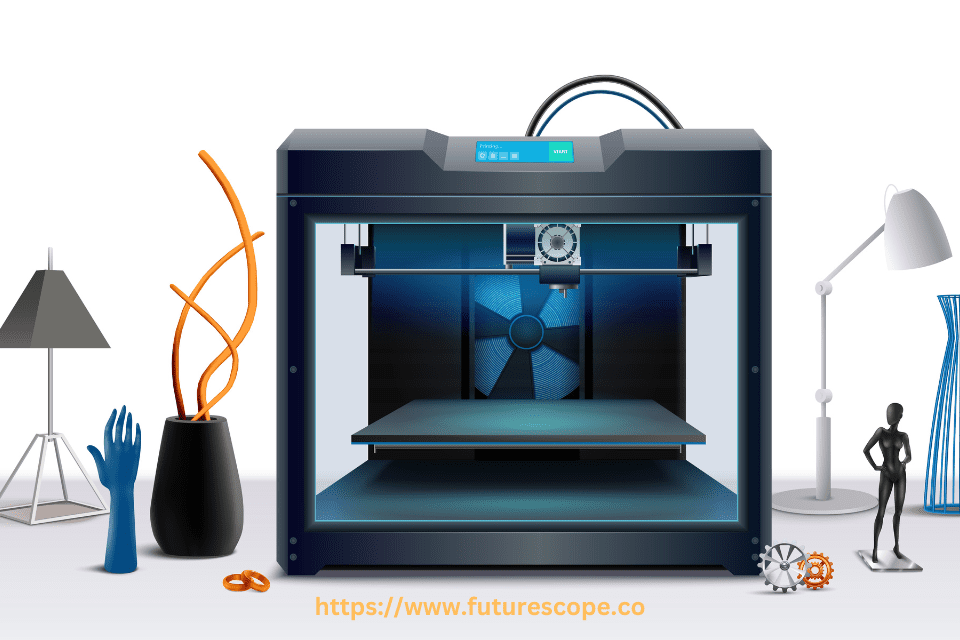

Operating a 3D printer at home is generally safe with proper safety measures. Always follow the manufacturer’s guidelines and use in a well-ventilated space.
3D printing at home has become increasingly popular, allowing hobbyists and professionals alike to create objects with precision and customization. As with any electrical device, safety is paramount to ensure a risk-free operation. Key precautions include using the printer in a room with adequate airflow to dissipate any fumes and keeping the printer away from flammable materials.
It’s important to supervise the printing process, particularly around children or pets, to prevent any accidental injuries. Regular maintenance checks are essential to avoid mechanical or electrical faults that could pose safety risks. By observing these simple but effective safety protocols, enthusiasts can enjoy the benefits of 3D printing at home while minimizing potential hazards.

Safety Concerns With Home 3D Printing
3D printing at home opens a world of innovation and creativity. Yet, it comes with safety concerns that users must be aware of. Understanding these risks ensures a safe printing environment. Let’s dive into the main safety considerations when operating a 3D printer at home.
Potential Toxic Emissions From Filaments
3D printers use various filaments, each carrying potential risks. ABS (Acrylonitrile Butadiene Styrene) and other plastics can emit fumes while heated. These vapors may contain toxic substances like styrene. To minimize risks:
- Ensure good ventilation in the printing area
- Choose filaments with lower emission rates, like PLA (Polylactic Acid)
- Consider using an enclosed printer to contain emissions
Risk Of Burns And Mechanical Injuries
The hot end of a 3D printer can reach high temperatures, posing a risk of burns. Moving parts can cause mechanical injuries. Keep your 3D printer in a safe area and follow these tips:
| Preventive Measure | Details |
|---|---|
| Operate with Care | Avoid touching the hot end or moving parts during operation. |
| Printer Placement | Keep the printer in an area away from reach of children and pets. |
| Auto-Shutoff Functions | Use printers with features that turn off the heat automatically after use. |
Ventilation And Air Quality Control
3D printers are incredible tools for creativity and innovation. Staying safe is just as important as exploring new designs. A key aspect to consider is the air that gets stirred up while printing. Let’s dive into why proper ventilation is a must and how to ensure the air in your home stays clean during 3D printing.
Importance Of Adequate Airflow
Adequate airflow is critical when operating a 3D printer at home. Why? Because printers heat materials to very high temperatures. This process, called extrusion, can release tiny particles into the air. These particles, known as ultrafine particles (UFPs), and volatile organic compounds (VOCs), can be harmful if inhaled over time.
- UFPs can travel deep into the lungs.
- VOCs can cause headaches and other health issues.
- Good airflow helps remove these particles from the room.
Breathing clean air keeps everyone in your home safe. Especially if they have asthma or allergies. So, keeping air moving is key when you’re printing your favorite objects.
Best Practices For Maintaining A Safe Environment
Creating a safe 3D printing environment is easy with some simple steps. Here are top practices:
| Best Practice | Action Steps |
|---|---|
| Use an enclosed printer | This limits UFPs and VOCs from spreading. |
| Install a dedicated ventilation system | It sucks away bad air and brings in fresh air. |
| Print with safer materials | PLA is better over ABS due to fewer emissions. |
| Keep printers in a well-ventilated room | Open windows or use a fan to help. |
| Use air purifiers | They can catch harmful particles in the air. |
Remember to read your printer’s manual for more safety tips. Some printers have built-in fans. These fans do great at sending bad air away from your print area.
Keep these practices in mind and 3D print with peace of mind. Your health is just as important as your next incredible creation. Clean air equals safe and fun 3D printing at home!
Material Usage And Handling
Operating a 3D printer at home involves careful selection and management of materials. Ensuring safety starts with choosing the right filaments and storing them properly. In this section, we’ll explore how to handle these materials with care to maintain a safe 3D printing environment in your home.
Choosing Safer Filament Options
Select filaments designed for safe home use. Consider materials with low emission levels. Here are some options:
- PLA (Polylactic Acid): Biodegradable and emits a sweet, non-toxic smell.
- PETG (Polyethylene Terephthalate Glycol): Known for low toxicity and is food-safe.
- ABS (Acrylonitrile Butadiene Styrene): Use in well-ventilated areas due to fumes.
Always check the filament’s safety data sheet for any health concerns.
Proper Storage Of 3D Printing Materials
Proper material storage ensures longevity and safety. Here’s how to store your 3D printing filaments:
| Storage Tip | Reason |
|---|---|
| Keep filaments dry | Moisture can degrade the quality. |
| Use airtight containers | Prevents dust and other particles from contaminating the filament. |
| Include desiccants | Absorbs any potential moisture. |
| Store in a cool, dark place | Protects from UV light and heat that can alter filament properties. |
Label containers with filament type and date of purchase. This helps track usability and avoid using compromised materials.
Equipment And Operation Guidelines
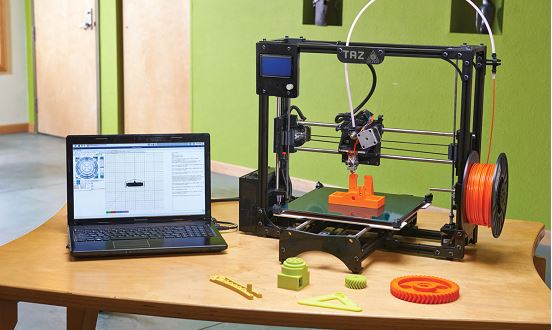
Exploring the realm of 3D printing at home sparks excitement and innovation. With the right equipment and operation guidelines, you can transform creative ideas into tangible objects. But, safety should be your top priority. This section delves into the best practices to keep you and your home safe while operating a 3D printer.
Regular Maintenance For Safety
Maintaining your 3D printer is critical for safe and reliable operation. Routine checks and upkeep prevent accidents and prolong your printer’s life.
- Clean the printer components regularly to avoid debris buildup.
- Check for worn-out parts and replace them promptly.
- Update firmware to fix bugs and improve performance.
- Ensure the build plate is levelled for consistent prints.
Training And Supervision For Safe Use
Operating a 3D printer safely requires knowledge and attentiveness. Proper training enhances user competence and reduces risks.
| Age Group | Supervision Level | Training Required |
|---|---|---|
| Children (Under 12) | High | Basic Operations |
| Teenagers (13-17) | Moderate | Intermediate Skills |
| Adults (18+) | Low | Advanced Techniques |
Always supervise young users during printer operation. Offer clear, age-appropriate guidance and demonstrations. Encourage questions to ensure understanding and compliance with safety procedures.
Frequently Asked Questions On Is It Safe To Operate A 3D Printer At Home?
Is It Safe To Be In The Same Room As A 3D Printer?
Being in the same room as a 3D printer is generally safe if you follow safety guidelines. Ensure the room is well-ventilated, use printers with enclosures, opt for less toxic filaments, wear protective equipment if necessary, and maintain proper distance from the printer during operation.
Can I Use A 3D Printer In My House?
Yes, you can use a 3D printer at home. Ensure proper ventilation, adhere to safety instructions, and select a suitable, stable location for the printer.
Is It Safe To Run A 3D Printer Unattended?
Running a 3D printer unattended is not recommended. Risks include possible fire hazards, mechanical failures, and print errors. Always monitor your 3D printer for safe operation.
Why 3D Printers Are Not Used At Home?
3D printers aren’t common in homes due to their high cost, complex operation, and the specific skills required for designing 3D models. They also can be bulky and have slow printing processes, making them less practical for everyday use.
Conclusion
Operating a 3D printer at home can be safe with proper precautions. By staying informed and following manufacturer guidelines, you minimize risks. Ensure a well-ventilated space, use the right materials, and keep your equipment maintained. Embrace the innovative world of 3D printing responsibly, and enjoy crafting with confidence from the comfort of your home.