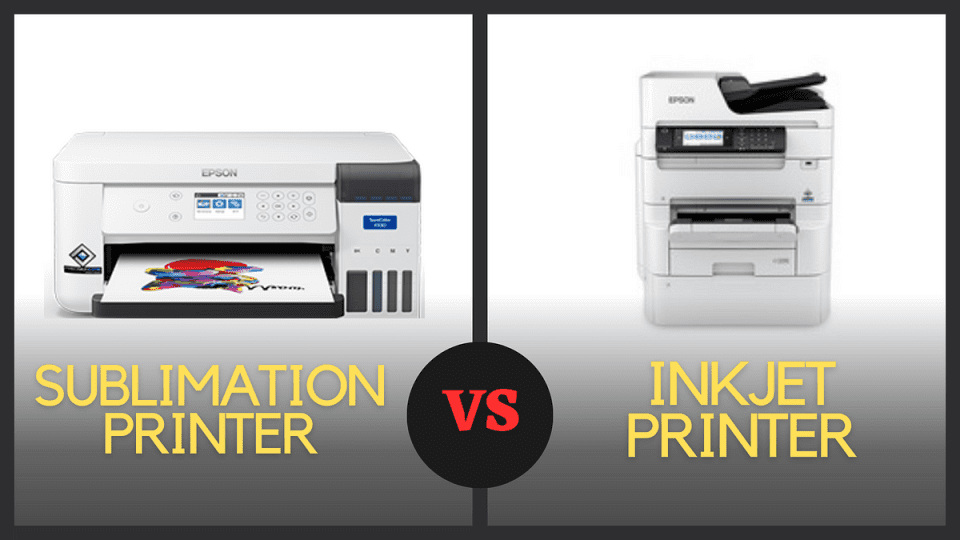

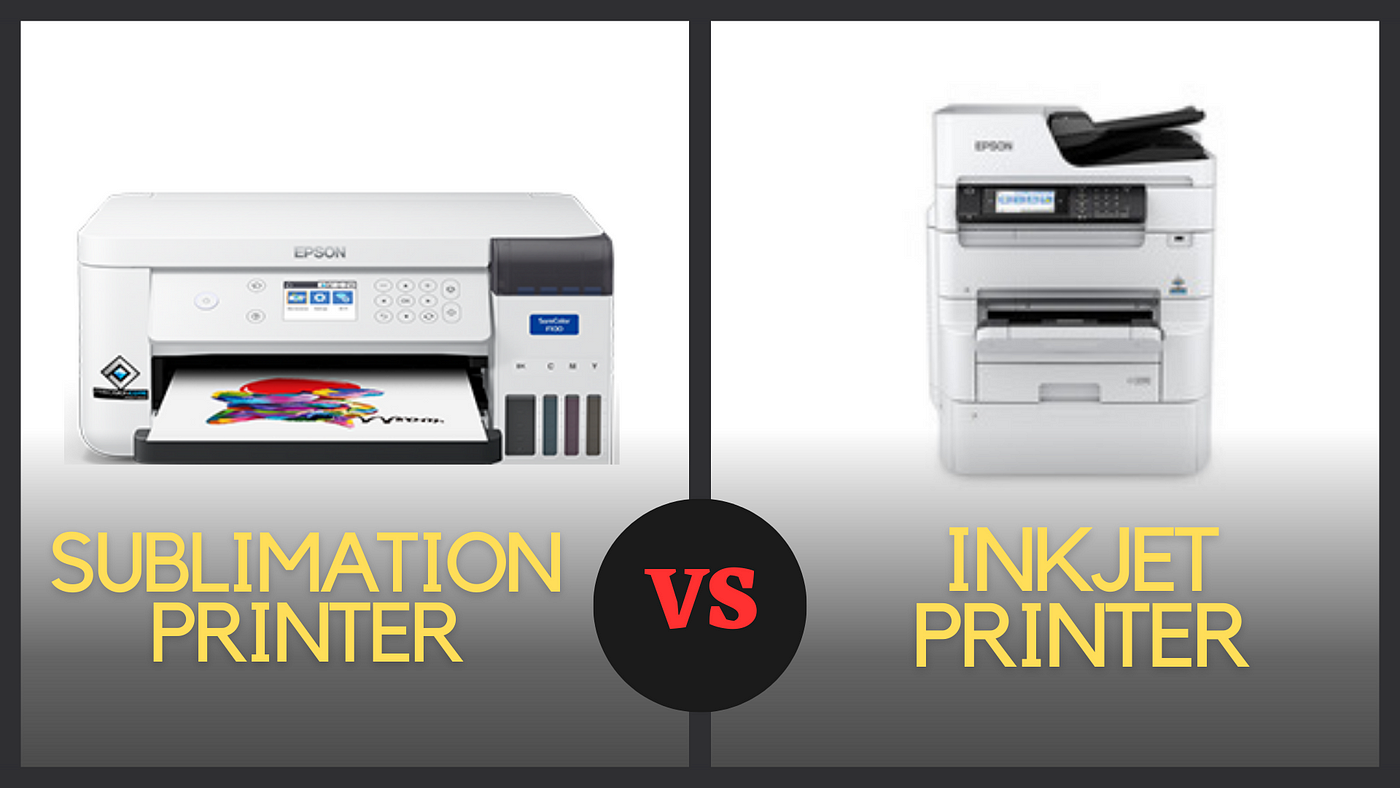
Inkjet printers spray liquid ink onto paper, creating images with tiny droplets. Sublimation printers heat ink to transfer it as a gas onto special materials.
Exploring the printing world, enthusiasts will find that inkjet and sublimation printers cater to different needs. Inkjet printers are versatile, commonly used in homes and offices for printing documents and photos on a variety of paper types. These printers are appreciated for their ease of use and affordability, making them a go-to for casual printing tasks.
On the other hand, sublimation printers specialize in transferring dye onto materials like fabric, mugs, and other merchandise through a heat process, which ensures the ink is embedded in the substrate for a long-lasting, vibrant result. This method is particularly favoured by businesses focused on creating personalized products and requires specific paper and substrates to achieve the desired outcomes. Both printer types bring distinct benefits to the table, catering to different segments of print needs.
Exploring Printing Technologies
Choosing the right printer means understanding a world of contrasting technologies. Dive into the essentials of inkjet and sublimation printers.
Fundamentals Of Inkjet Printing
Inkjet printers are popular for their versatility and quality. They work by sprinkling tiny droplets of ink onto paper.
- Widely used in homes and offices
- Can print on various paper types and finishes
- Offer high-resolution color printing
An inkjet printer’s cost-effectiveness makes it a go-to choice. You can print documents and photos with ease.
Basics Of Sublimation Printing
Sublimation printing is a method for transferring images. It uses heat to turn dye into gas and bond it to materials.
- Ideal for fabrics and ceramics
- Produces vibrant, full-color images
- Images won’t peel or fade over time
Sublimation printers shine in custom merchandise. They create durable and touchable visuals.
| Inkjet Printer | Sublimation Printer |
|---|---|
| Typically uses liquid ink cartridges | Uses special dye-based inks |
| Good for paper and photo printing | Best for printing on fabric and rigid items |
Both printers have unique benefits. Your choice depends on your specific needs. Quality and use-case define the best fit for you.
Comparative Analysis
Choosing the right printer can be puzzling. Two popular types are inkjet and sublimation printers. Both have unique characteristics. Let’s compare them in detail.
Ink Composition And Delivery
Inkjet printers spray liquid ink. They use cartridges. These printers work on most papers. Their inks can be dye-based or pigment-based.
Sublimation printers use heat-sensitive inks. They turn to gas when heated. They permanently dye the printing medium. Sublimation ink is distinctive from traditional inkjet ink.
Image Quality And Durability
| Printer Type | Image Quality | Durability |
|---|---|---|
| Inkjet | High resolution | Less durable without special coatings |
| Sublimation | Vibrant and seamless | Very durable, resists fading |
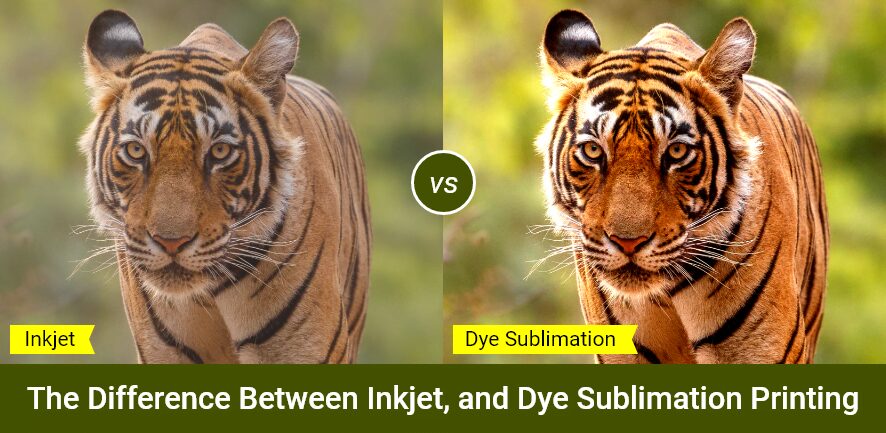
- Inkjet prints may fade over time.
- Sublimation images bond at a molecular level.
Material Compatibility
Inkjet printers are versatile. They print on many surfaces. But they can’t transfer images onto rigid materials.
Sublimation printers need special coated media. They are perfect for fabrics and hard items. These include mugs, phone cases, and metal sheets.
- Polyester fabrics work best for sublimation.
- Inkjet can handle various paper types and some fabric.
Operational Considerations
Understanding how inkjet and sublimation printers operate is crucial. It affects everything from how you set them up to the long-term costs. Let’s dive into the details of setup complexity, ease of use, and the ongoing maintenance and running costs associated with each printer type.
Setup Complexity And Ease Of Use
First-time setup can tell a lot about a printer. Inkjet printers often boast a simple setup. Unbox, install cartridges, and you’re good to go. With connect-to and print-from-anywhere features, they cater to non-tech savvy users.
Sublimation printers require a bit more. There’s the initial fill with sublimation ink, specific paper loading, and often software setup for proper color management. These steps ensure vibrant, lasting prints on various materials.
Maintenance And Running Costs
Maintenance is a major factor. Inkjets need regular use to prevent ink drying and clogging. Clean print heads are key for top-quality prints. Choose printers that have automatic cleaning cycles to make this task easier.
Sublimation printers can have higher maintenance due to the nature of the ink. Periodic checks keep the quality consistent. Sublimation ink is generally pricier, but efficient ink use balances costs in the long run.
The running costs differ:
- Inkjet printers have lower upfront costs.
- Ink costs can add up, especially with frequent cartridge replacements.
- Sublimation printers shine in bulk or continuous use scenarios.
- They need special inks and papers, factored into running costs.
Consider these points to determine the best fit for your printing needs and workflow.
Choosing The Right Printer For Your Needs
Finding the perfect printer meets your needs can be a puzzling journey. With so many choices, you might wonder about the key differences between an inkjet printer and a sublimation printer. This section sheds light on making the right pick based on what you truly require for your printing tasks.
Assessing Requirements And Applications
Understanding your printing needs is crucial. Let’s compare the applications of both printers.
- Inkjet printers are versatile, perfect for home and office needs.
- They can print documents, photos, and occasional glossy prints.
- Sublimation printers are specialized for transferring images onto materials.
- Suitable for T-shirts, mugs, and custom merchandise.
Match your print tasks with the printer’s strengths for the best outcome.
Cost Versus Performance Trade-offs
Evaluating the cost against performance is essential to make a smart choice. Look at some factors:
| Printer Type | Initial Cost | Running Cost | Quality | Speed |
|---|---|---|---|---|
| Inkjet Printer | Lower | Higher per page | High on various materials | Varies |
| Sublimation Printer | Higher | Lower over time | Specialized materials only | Fast for its niche |
Determine your budget and desired print quality to steer your decision.
Frequently Asked Questions Of What Is The Difference Between An Inkjet Printer And Sublimation Printer?
Can I Use An Inkjet Printer For Sublimation?
No, a standard inkjet printer cannot use sublimation ink. You need a compatible printer specifically designed for sublimation printing.
Is A Sublimation Printer Better Than A Regular Printer?
A sublimation printer excels in creating vibrant, long-lasting prints on specific materials, making it better for specialized tasks than a regular printer. Regular printers offer versatility for everyday printing on standard paper. Choose based on your specific printing needs.
What Are The Disadvantages Of Sublimation Printers?
Sublimation printers require special inks and papers, which can be costly. They often struggle with printing on cotton materials and are less effective for large volume jobs. Their high initial investment may not suit small businesses or hobbyists.
Is It Worth Getting A Sublimation Printer?
Investing in a sublimation printer is worthwhile for those aiming to start a custom printing business or enhance their crafting projects with high-quality, durable graphics.
Conclusion
Understanding the main distinctions between inkjet and sublimation printers is crucial. Inkjets cater to general printing needs, while sublimation is ideal for vibrant, permanent images on specific materials. Choose wisely to align with your objectives and enjoy optimum print quality for your projects.
Your decision can profoundly impact the effectiveness of your printing solutions.