
Yes, inkjet printers use halftone dots to create a wide range of colors and shades. Halftone dots vary in size to simulate different tones.
Searching for answers on how modern printing technology works can lead to a fascinating exploration of inkjet printers, known for their versatility in home and office settings. Inkjet printers operate by precisely placing tiny droplets of ink onto paper, a process that may seem simple, yet is underpinned by sophisticated technology.
These printers use halftone dots, a technique where dots of varying sizes and spacing create the illusion of continuous tone images. This method is essential for achieving the high-quality, detailed, and color-rich prints that we expect from contemporary printers. Users often choose inkjet printers for tasks that range from printing vivid photos to producing crisp documents, demonstrating the halftone process’s capability to handle both color and monochrome printing with ease. Understanding this key feature of inkjet printers can enhance our appreciation for the complex interplay of technology and artistry in everyday printing.
Halftone Dots In Printing Technology
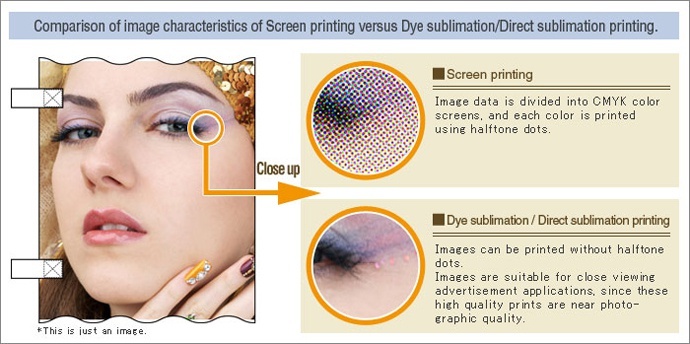
Imagine holding a comic strip close to your face. Tiny dots make up the image. This is halftone printing. Halftone dots let inkjet printers create pictures from small points. It’s how printers mix colors and shades without blending inks.
The Basics Of Halftone Printing
Halftone printing breaks pictures into dots. Big dots look dark. Small dots look light. All dots together make the full image. Printers place dots carefully to mimic more colors than they really use.
Here’s how it works:
- Step 1: The image splits into colors.
- Step 2: Each color changes to dots.
- Step 3: The printer layers dots to create the picture.
Halftone Vs. Continuous Tone
| Halftone | Continuous Tone |
|---|---|
| Uses dots to mimic colors | Uses smooth color transitions |
| Good for inkjets and newspapers | Seen in high-end photo prints |
| Creates illusion of depth | Gives exact shades and tones |
Halftone divides images into dots of different sizes. Continuous tone has no dots. Instead, colors change gradually. This means halftones can print with few inks but still look detailed. Continuous tones need lots of colors for detail but give real-life results.
Inkjet Printers And Halftone Usage
The technique of reproducing full-tone colors with dots of just a few colors dates back over a century. This method, known as halftoning, has evolved digitally into the world of modern inkjet printers. Let’s explore how these popular machines utilize halftones to render vivid images with a surprising depth of color from a limited palette.
Inkjet Technology Explained
Inkjet printing is a type of computer printing that creates a digital image by propelling droplets of ink onto paper. Inkjet printers are the most commonly used type of printer and range from small inexpensive consumer models to expensive professional machines.
- Precision: Ink droplets are placed with incredible accuracy.
- Versatility: They can print on various surfaces beyond paper, including canvas and specialty papers.
- Color Range: A standard set of inks can combine to produce a broad color spectrum.
How Inkjet Printers Reproduce Images
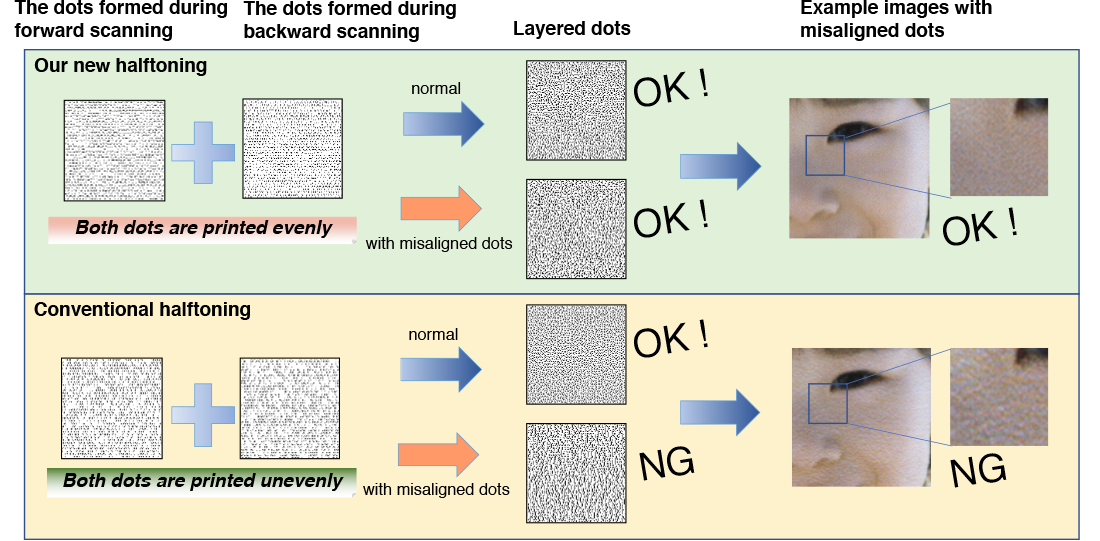
Reproducing images involves a sophisticated dance of tiny dots, a process where halftones play a starring role. Even though inkjet printers don’t use true halftone screens like in offset printing, they achieve a similar effect through ‘dithering’.
Dithering allows for various color shades and intensities to be represented with a limited set of inks.
| Color | Droplet Size | Droplet Placement |
|---|---|---|
| CMYK | Variable | Strategic |
| R,G,B | Minuscule | Precise |
By adjusting the size and spacing of the ink droplets, an inkjet printer uses halftone-like patterns to blend primary colors together, creating the illusion of countless hues. With each tiny dot, it layers colors, building up shades and depth to bring images to life.
Comparing Halftones In Different Printer Types
Understanding how printers create images is fascinating. One common technique is using halftone dots. These dots give the illusion of different shades and depths. Both inkjet and laser printers use halftones, but they do it differently. Let’s explore
Laser Printers And Halftones
Laser printers are known for their precision and speed. They work with toner instead of ink. Halftone dots in laser printers create a wide range of colors. A laser beam transfers the toner to paper, forming halftone dots. This process is called electrophotography.
Inkjet Vs. Laser: Halftone Implementations
Inkjet printers spray tiny droplets of ink to form an image. They also use halftone dots. But, the way inkjets make these dots is different from laser printers.
| Feature | Laser Printer | Inkjet Printer |
|---|---|---|
| Size of Dots | Consistent | Varying |
| Method | Electrophotography | Ink Droplets |
| Color Range | Broad | Flexible |
| Usage | Text & Graphics | Photos & Detailed Images |
Even though both printers use halftone dots, inkjet printers are better for high-quality photos. On the other hand, laser printers excel in producing crisp text and graphics.
Quality And Resolution In Inkjet Printing
Imagine tiny droplets creating a picture. That’s inkjet printing! It uses halftone dots to make images. This process affects how clear the picture looks. Let’s dive into understanding this better.
Measuring Print Quality
How do you know if a print is good? It should look smooth with bright colors. No weird lines or fuzziness. We measure this using DPI, which means “dots per inch.” More dots mean better detail. Sharp pictures and text show high-quality prints.
- DPI (Dots Per Inch): Determines the print’s sharpness.
- Color Accuracy: Compares the print colors to the original.
- Uniformity: Checks for consistent colors across the print.
Resolution And Ink Droplet Size
The resolution of inkjet printers is key. It’s about how many dots fit in a space. Higher resolution means smaller dots. Smaller dots help make finer image details.
Ink droplet size also matters. Smaller droplets can mix colors well. That makes the picture look real. Look at the table below for clarity.
| Resolution (DPI) | Droplet Size (Picoliters) | Image Quality |
|---|---|---|
| 600 DPI | 5 – 10 Picoliters | Good |
| 1200 DPI | 1 – 5 Picoliters | Very Good |
| 2400 DPI+ | <1 Picoliter | Excellent |
Now you understand better. Smaller droplets and higher DPI lead to stunning prints. Remember, good ink and paper also play a part. Choose wisely to get the best results!
Frequently Asked Questions For Do Inkjet Printers Use Halftone Dots?
Is Inkjet A Halftone?
Yes, inkjet printers use a form of halftone technology to reproduce images with a limited number of ink droplets, simulating continuous tone.
What Is The Difference Between Dot Matrix And Inkjet Printers?
Dot matrix printers use a print head that strikes an ink-soaked ribbon to create characters, producing a lower resolution print. Inkjet printers spray tiny droplets of ink directly onto paper, allowing for high-resolution images and a wider range of colors.
What Is Halftone Setting On Printer?
The halftone setting on a printer controls the dot pattern used to reproduce grayscale images within print materials. It adjusts dot size and density to create the illusion of varying shades of gray.
Do Newspapers Still Use Halftones?
Yes, modern newspapers still use halftone printing to reproduce photographs and detailed graphics effectively. This technique translates images into small dots for printing clarity.
Conclusion
Understanding halftone dots is key for inkjet printer users seeking high-quality prints. Such knowledge allows for better control over print settings. Remember, halftone dots are crucial for gradients and image depth. We’ve explored their role and function. Now, optimize your printing by harnessing the power of halftones.