
In the era of smartphone content creation, handheld gimbals have become essential tools for smooth and professional-looking videos. Whether you’re a vlogger, mobile filmmaker, or travel enthusiast, a gimbal stabilizer can transform shaky footage into cinematic shots. But you don’t need to spend a fortune—several budget-friendly gimbals under $150 offer excellent performance and features. In this SEO-optimized guide, we explore the best budget handheld gimbals for smartphone videography in 2025, highlighting key facts, pros, cons, and buying tips.
What Is a Smartphone Gimbal?
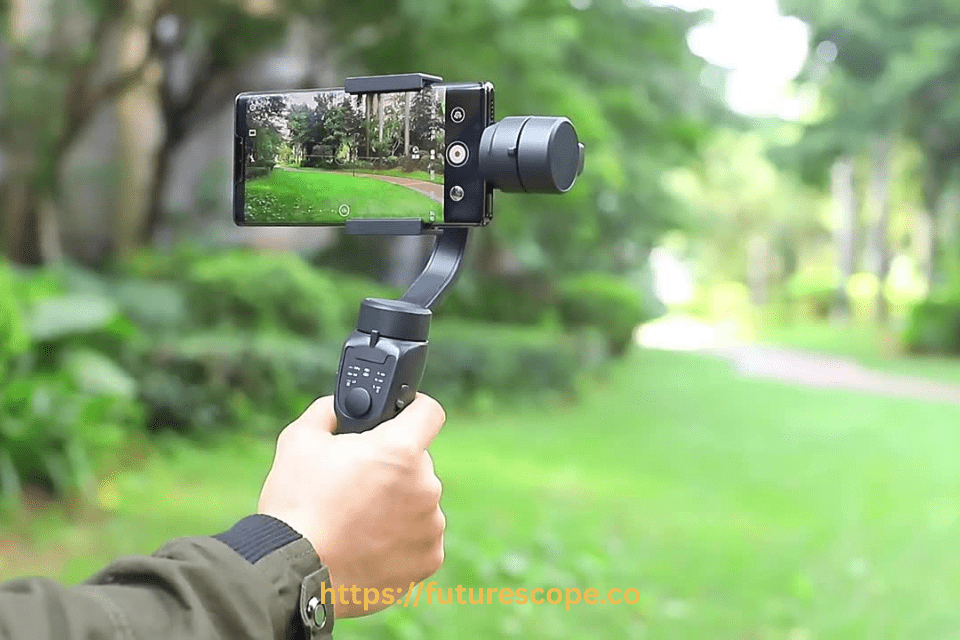
A smartphone gimbal is a handheld stabilizer that uses motors and sensors to balance your phone and eliminate unwanted motion. It provides 3-axis stabilization, allowing for smoother pans, tilts, and tracking shots, especially during walking or fast movement. Ideal for shooting YouTube videos, TikToks, reels, and cinematic B-roll, gimbals help creators achieve professional-quality results from a pocket-sized device.
Why Invest in a Budget Handheld Gimbal?
A handheld gimbal uses motorized stabilization to keep your smartphone steady, eliminating unwanted shakes and jitters during video recording. This results in smooth, cinematic footage, even when you’re walking, panning, or tracking a subject. Budget gimbals make this technology accessible to beginners, casual creators, and those who don’t want to spend hundreds on premium models. Whether you’re filming TikTok videos, YouTube vlogs, or family moments, a budget gimbal can significantly elevate your video quality. In 2025, advancements in gimbal technology have made affordable options more feature-rich, offering three-axis stabilization, long battery life, and smart features like subject tracking.
Key Features to Look for in a Budget Smartphone Gimbal
When selecting a budget handheld gimbal, consider the following factors to ensure you get the best value for your money:
- Stabilization: Three-axis stabilization (roll, pitch, yaw) is the gold standard for smooth footage, as it corrects movement in all directions. Two-axis or one-axis gimbals may be cheaper but offer less effective stabilization.
- Battery Life: Aim for at least 10 hours of battery life to support extended shooting sessions without frequent recharging.
- Portability: Foldable designs are ideal for travel and on-the-go filming, as they fit easily into pockets or bags.
- Compatibility: Check the gimbal’s weight capacity and clamp size to ensure it supports your smartphone, especially if you have a larger or heavier model.
- Additional Features: Features like subject tracking, app integration, extendable handles, or built-in tripods add versatility and ease of use.
- Price: Budget gimbals typically cost under $150, with the best value often found around $100 or less.
Best Budget Handheld Gimbals for Smartphones (2025 Picks)
DJI Osmo Mobile SE
The DJI Osmo Mobile SE is a standout choice for budget-conscious creators who want premium stabilization without a premium price. Built with DJI’s signature engineering, it supports powerful 3-axis motorized stabilization and magnetic mounting, making setup effortless.
Pros
- Excellent stabilization even while running
- Compact and lightweight design
- Very intuitive companion app
- Story mode and smart tracking
Cons
- No built-in selfie stick or tripod
- Requires DJI app for full features
Key Features:
- 3-axis stabilization with DJI Mimo app control
- Magnetic clamp for easy attachment
- Multiple shooting modes: DynamicZoom, SpinShot, Timelapse
- ActiveTrack 5.0 for subject tracking
Battery Life: ~8 hours
Weight: 352g
Payload Support: Most iPhones and Android phones up to 3.4” wide
Best For: Travel vlogging, everyday content creation, family videos
Zhiyun Smooth Q4 – Best for Vlogging
The Zhiyun Smooth Q4 combines great stabilization with extra utility features like an extendable selfie stick and LED fill light support (in Combo pack). It’s built for creators who want versatility in shooting angles and lighting.
Pros
- Built-in extension rod for wide shots
- AI-powered tracking and editing
- High compatibility with Android & iOS
Cons
- App interface can feel crowded
- Requires frequent firmware updates for best performance
Key Features:
- 3-axis gimbal with advanced anti-shake algorithm
- Extendable selfie stick (215mm)
- Gesture control & SmartFollow
- ZY Cami app with vlog templates, AI editing
Battery Life: ~10–12 hours
Weight: 370g
Payload: 150–280g phones
Best For: Vloggers, influencers, on-the-go YouTubers
Hohem iSteady Mobile Plus – Best for Long Shoots
With its massive 12-hour battery, the iSteady Mobile Plus is perfect for all-day shooting. It supports object tracking, motion time-lapse, face tracking, and sport mode—features typically found in high-end models.
Pros
- Great stabilization and motor strength
- Perfect for live streamers or mobile filmmakers
- Can charge your phone while filming
Cons
- Not very compact (non-foldable)
- Heavier than other gimbals on this list
Key Features:
- 3-axis stabilization with 600° pan rotation
- 12-hour battery with USB charging port
- Hohem Pro app with cinematic templates
- “Inception Mode” for 360° barrel shots
Battery Life: ~12 hours
Weight: 530g
Payload: 280g max (works well with larger phones)
Best For: Long video shoots, semi-pro filmmakers
MOZA Mini-S Essential – Best Entry-Level Option
MOZA’s Mini-S Essential is compact, foldable, and incredibly user-friendly. It offers beginner-level creators all the tools they need to shoot smooth video without much learning curve.
Pros
- Very affordable and beginner-friendly
- Built-in creative shooting modes
- Quick folding design fits into small bags
Cons
- Slight learning curve with app pairing
- Not suitable for very heavy phones
Key Features:
- 3-axis stabilization
- Built-in joystick and mode switch button
- Foldable design for portability
- MOZA Genie app for object tracking & time-lapse
Battery Life: ~8 hours
Weight: 498g
Payload: 260g max
Best For: Beginners, casual users, TikTokers
FeiyuTech VLOG Pocket 2 – Best for Travelers
Super compact and weighing less than 300g, the VLOG Pocket 2 is made for minimalist creators and digital nomads. It’s fast to deploy, fits in your pocket, and doesn’t require counterbalancing for most modern phones.
Pros
- Ultra-light and compact
- No rebalancing needed
- Easily fits in pocket or purse
Cons
- Limited to light-to-mid weight phones
- Doesn’t feel as premium in build
Key Features:
- Auto rotation & one-click switching
- Gesture control, face tracking
- Vertical & horizontal shooting
- Lightweight foldable design
Battery Life: ~9 hours
Weight: 272g
Payload: 240g max
Best For: On-the-go creators, travel YouTubers, mobile vloggers
Insta360 Flow
The Insta360 Flow is renowned for its portability and ease of use. Its foldable design allows it to fit into a pocket, making it perfect for travel or spontaneous shoots. The 12-hour battery life ensures you can film all day, and its no-manual-balancing feature simplifies setup for beginners. The AI-powered Deep Track 3.0 technology enhances subject tracking, keeping your subject in frame even during fast movements. Priced at just under $100, the Insta360 Flow delivers premium features at a budget-friendly cost, making it a favorite for content creators.
Key Features:
- Three-axis stabilization
- 12-hour battery life
- compact and foldable design
- AI-powered Deep Track 3.0
Battery Life: 12 hours
Compatibility: Most modern iOS and Android smartphones
Price: $99.99
Comparison Table
| Gimbal | Best For | Battery Life | Weight | Extendable? | App Features | Price |
|---|---|---|---|---|---|---|
| DJI Osmo Mobile SE | Overall Performance | 8 hrs | 352g | ❌ | Excellent (Mimo) | ~$99 |
| Zhiyun Smooth Q4 | Vlogging | 10–12 hrs | 370g | ✅ | Good (ZY Cami) | ~$109 |
| Hohem iSteady Mobile+ | Long Shoots | 12 hrs | 530g | ❌ | Strong (Hohem Pro) | ~$89 |
| MOZA Mini-S Essential | Beginners | 8 hrs | 498g | ❌ | Basic (Genie) | ~$79 |
| FeiyuTech VLOG Pocket 2 | Travel & Portability | 9 hrs | 272g | ❌ | Decent (Feiyu ON) | ~$85 |
Honorable Mentions
For those with specific needs or tighter budgets, these gimbals are also worth considering:
- Hohem iSteady V3: Highlighted by Digital Camera World, this gimbal is a budget-friendly option for travelers. It’s lightweight (420g), compact (folded dimensions: 127×63×312 mm), and features an AI sensor for gesture control and a detachable control panel. Its unique design includes tripod legs inside the shaft for added portability.
- ZHIYUN Smooth X2: Priced at $59.99 according to Android Authority, this is the most affordable option. It features a lightweight, foldable design and an extendable arm for selfies, but its two-axis stabilization and 3.5-hour battery life limit its use for longer or more demanding shoots.
- Joby Smart Stabilizer: Noted by TechRadar as one of the cheapest options, it supports smartphones up to 210g and offers 10 hours of battery life. However, its non-folding design reduces portability, requiring a backpack or camera bag.
Pro Tips for Smartphone Videography with a Gimbal
- Always balance your smartphone before turning on the gimbal.
- Use lock and follow modes based on your shooting style.
- Take advantage of gimbal apps for time-lapse, hyperlapse, and slow motion.
- Keep firmware updated for new features and stability improvements.
Invest in Smooth, Invest in Your Story
You don’t need Hollywood budgets to create stunningly smooth smartphone videos. The best budget handheld gimbal is the ultimate equalizer, transforming shaky handheld clips into professional-looking cinematic sequences. By prioritizing core stabilization, essential features, and reliable performance within your budget – whether you choose the versatile Hohem iSteady Mobile+, the powerful Zhiyun Smooth 5, or the user-friendly DJI OM SE – you’re making a crucial investment in the quality and impact of your visual storytelling. Ditch the shake and start creating content that truly stands out. Your audience (and your future self) will thank you.
Frequently Asked Questions
What is the best gimbal for phone videography?
As of 2025, top gimbals for smartphones include:
- DJI Osmo Mobile 6 – Best overall; compact, reliable stabilization, and great tracking features.
- Zhiyun Smooth 5S – Pro-level controls, strong motors, and creative shooting modes.
- Hohem iSteady M6 – Budget-friendly with solid stabilization and AI tracking.
- Insta360 Flow – Innovative design with built-in selfie stick, tripod, and excellent AI tracking.
Choose based on your needs—DJI for premium performance, Hohem for affordability, and Insta360 for all-in-one versatility.
Which gimbal is best for a mobile phone?
The best gimbals for mobile phones in 2025 include:
- DJI Osmo Mobile 6 – Top choice for smooth stabilization, smart features, and ease of use.
- Insta360 Flow – Great all-in-one design with tripod, selfie stick, and powerful AI tracking.
- Zhiyun Smooth 5S – Ideal for advanced users needing strong motors and pro controls.
- Hohem iSteady M6 – Excellent value with reliable stabilization and AI face tracking.
For most users, the DJI Osmo Mobile 6 offers the best mix of performance, portability, and app support.
Which is better gimbal or stabilizer?
It depends on your needs:
- Gimbal (motorized) – Best for smooth, automatic stabilization with tracking, panning, and app control. Great for mobile videography, vlogging, and dynamic shots.
- Stabilizer (manual, like glidecams) – Better for heavier cameras and cinematic control, but requires skill and practice.
Choose a gimbal for smartphones and ease of use.
Choose a stabilizer if you’re shooting with a DSLR and want manual precision.
For most users today, gimbals are more convenient and versatile.
What are the two types of gimbals?
- Mechanical Gimbals
- No motors; use counterweights for balance.
- Offer smooth motion but require manual skill.
- Ideal for DSLRs or heavier rigs.
- Example: Glidecam.
- Motorized Gimbals
- Use brushless motors and sensors to stabilize movement automatically.
- Great for smartphones, action cams, and mirrorless cameras.
- Easier to use with features like tracking, zoom, and auto-pan.
- Example: DJI Osmo Mobile, Zhiyun Smooth series.
Motorized gimbals are more popular today for their convenience and smart features.
Which is better, a gimbal or a tripod?
It depends on your shooting needs:
- Gimbal – Best for moving shots. It stabilizes video while walking, panning, or tracking subjects. Ideal for vlogging, travel, or cinematic motion.
- Tripod – Best for stable, static shots. It holds the camera still for interviews, time-lapses, or photography. Great for low-light and long-exposure.
Use a gimbal for dynamic video.
Use a tripod for steady, fixed framing.
Many creators use both for different parts of a shoot.
What are the disadvantages of a gimbal?
- Expensive – Quality gimbals can be costly, especially for advanced features.
- Battery-dependent – Motorized gimbals require charging; dead batteries mean no stabilization.
- Bulky – Some models are not pocket-friendly and add weight to your gear.
- Learning curve – May take time to master balance, modes, and smooth movement.
- Limited in tight spaces – Not ideal for crowded or confined areas where movement is restricted.
Despite these, gimbals are powerful tools for smooth, professional-looking video when used correctly.