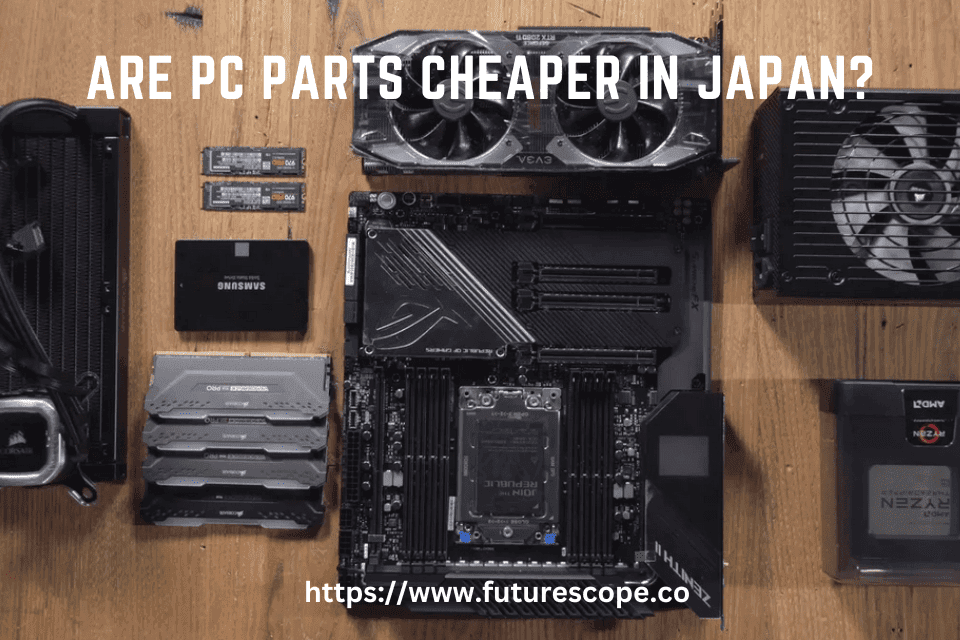

No, PC parts are not cheaper in Japan. In fact, they are often more expensive than in other countries. This is due to the high cost of living in Japan and the relative scarcity of certain types of parts.
However, there are some Japanese sites that sell PC parts at a discount, so it is possible to find good deals if you know where to look.
If you’re a PC enthusiast or gamer considering building or upgrading a PC is an exciting but often expensive endeavor, especially when considering international price differences. Many tech enthusiasts ask: Are PC parts cheaper in Japan? The answer depends on several factors — including local demand, taxes, import duties, currency exchange rates, and the availability of brands in Japanese electronics markets like Akihabara. This article dives into real-world pricing, recent trends, and a breakdown of where Japan stands globally in terms of PC component affordability.
Japan’s Tech Culture & Electronics Market
Japan is known for its advanced technology infrastructure and gadget-loving culture. Cities like Tokyo and Osaka have famous electronic districts, especially Akihabara — a hotspot for PC parts, peripherals, and DIY builders.
High competition among retailers (e.g., Sofmap, Yodobashi Camera, Tsukumo) keeps prices relatively fair.
The Japanese market typically gets early access to the latest GPUs, CPUs, and SSDs.
Japan has low import taxes on tech and often benefits from direct manufacturer presence (Intel, AMD, NVIDIA partners, etc.).
Are PC Components Cheaper in Japan?
✅ Yes, Some PC Parts Are Cheaper:
SSDs & RAM: Due to mass availability and direct supplier access, RAM and SSDs are often cheaper in Japan than in the US, UK, or EU.
Mid-range GPUs (RTX 4060, RX 7600): These are competitively priced, especially during sales or second-hand.
Motherboards & Power Supplies: Local brands and OEM deals can lower costs compared to imported alternatives.
❌ But Not Always Across the Board:
High-end GPUs (e.g., RTX 4090): Prices may be slightly higher than in the US due to limited units and high domestic demand.
CPUs like AMD Ryzen 9 or Intel i9: These often reflect global MSRP but fluctuate with exchange rates.
Cases and cooling systems: Heavier parts can be expensive due to logistics and shipping costs, especially for imported brands.
Research strongly suggests that PC parts are generally not cheaper in Japan; they are often more expensive than in the US. Multiple sources, including tech forums and articles, confirm this trend.
Contrary to popular belief, PC parts are not universally cheaper in Japan. While Japan is home to major tech manufacturers, several factors influence the pricing of components:
Factors That Make PC Parts More Expensive in Japan
- High Cost of Living: Japan’s high cost of living, reflected in higher wages and operational costs, often translates to higher prices for goods, including electronics.
- Import Tariffs: Japan imposes tariffs on imported goods, with an 8% tariff on computers and computer parts, as mentioned in the Futurescope.co article, increasing costs for foreign-made components.
- Distribution Costs: The Japanese market often involves additional layers of distribution, such as middlemen or representative agents importing parts in bulk before supplying to stores, adding another layer of profit, as noted in a 2019 Reddit post on r/Amd.
- Currency Strength: The Japanese yen can be stronger against other currencies, making imported goods more expensive for Japanese consumers, though this can vary with exchange rate fluctuations.
- Market Demand: High demand for electronics in Japan allows suppliers to maintain higher prices, as consumers are willing to pay a premium for quality and reliability.
When PC Parts May Be Cheaper?
Locally manufactured brands: Some components from Japanese brands may be cheaper due to shorter distribution chains.
Promotional sales and outlet deals: Japanese retailers like Dospara and Tsukumo occasionally offer steep discounts.
Used parts market: Japan’s secondhand market is reputable and competitive, especially in tech hubs like Akihabara (Tokyo) or Nipponbashi (Osaka).
Are PC Parts Cheaper Now Than Before?
Yes, in general, PC parts have become more affordable globally since the peak shortages of 2020–2022. This includes Japan:
Graphics cards have dropped significantly in price as supply chains normalized.
SSDs and RAM are cheaper due to manufacturing surplus.
CPUs remain relatively stable but vary by generation and brand.
Keep in mind that high-end components like GPUs or gaming CPUs may still carry premium pricing depending on demand and release cycles.
Global Comparison: Japan vs USA
While PC parts may seem more affordable in Japan due to manufacturer presence, prices in the United States are often lower overall due to:
Larger market scale and competition
Lower or no import taxes on electronics
Warehouse-based online retailers like Newegg or Amazon
However, with the yen weak against the US dollar (as of early 2024), Americans may occasionally find Japanese prices competitive, especially when buying directly during travel.
To illustrate the price difference, consider the following examples from various sources:
- A 2011 forum post on Polycount mentions, “It’s sometimes cheaper to import the parts from Amazon US than buy them here,” indicating higher local prices in Japan.
- A 2022 discussion on Tom’s Hardware Forum notes that users often find it more cost-effective to source parts from the US, even with shipping costs, due to Japan’s inflated prices.
- A Reddit post on r/japanlife provides an example: a Western Digital SSD (WDS100T3B0C) was listed at 10,980 JPY on Kakaku.com, while the same part was $80.36 (about 10,864 JPY) on Amazon.com with shipping, showing a slight price advantage for importing.
These comparisons suggest that for many components, US prices are lower, especially when factoring in shipping and import duties.
Comparative Analysis: Japan vs USA
To better understand the interaction between PC parts pricing in Japan and the US, consider the following table comparing key aspects:
| Aspect | Japan | US |
|---|---|---|
| Cost of Living | High, increases prices | Lower, often leads to cheaper parts |
| Import Tariffs | 8% on computers, increases costs | Lower or no tariffs on domestic goods |
| Distribution Costs | Higher due to middlemen | Lower, direct supplier relationships |
| Currency Strength | Yen can be strong, affecting imports | USD often favorable for imports |
| Discounts and Promotions | Available, but less frequent | Common, especially during sales |
| Used Parts Availability | Common, 10-50% savings possible | Common, similar savings potential |
This table illustrates the structural differences that contribute to higher prices in Japan, though opportunities for savings exist through discounts and used parts.
Find Computer and PC Parts in Japan
Japan vs Other Regions: Price Snapshot (2024)
| Component | Japan (JPY) | USA (USD) | Europe (EUR) |
|---|---|---|---|
| RTX 4060 | ¥49,800 (~$325) | $299 | €349 |
| Samsung 980 Pro 1TB | ¥10,500 (~$68) | $79 | €95 |
| Ryzen 5 5600X | ¥21,000 (~$138) | $159 | €179 |
| Corsair 750W PSU | ¥9,900 (~$65) | $75 | €89 |
Exchange rates as of Q1 2024; prices may vary due to promotions, supply chain issues, or chip shortages.
Buying Used PC Parts in Japan
Japan has one of the most trusted secondhand electronics markets in the world. Here’s why buying used makes sense:
Savings of 10–50% depending on the part and its condition
Reliable retailers like Hard-Off, Sofmap, and Akiba stores provide quality checks
Refurbished warranties often included with used purchases
Tip: Used GPUs tend to retain value longer due to sustained gaming demand, while CPUs and power supplies depreciate faster.
Always inspect the condition, compatibility, and return policy when buying used parts.
️Where to Buy PC Parts in Japan?
If you’re shopping for PC parts in Japan, here are some top spots:
Physical Stores in Akihabara: Tsukumo, Dospara, and PC Koubou
Online Marketplaces: Amazon Japan, Kakaku.com (for comparing prices), and Rakuten
Second-hand Options: Sofmap Reuse Store, Hard-Off (great deals on gently used parts)
| Store Name | Description | Online Availability |
|---|---|---|
| Dospara | Popular PC retailer offering both new and used parts | Yes |
| Tsukumo | Known for gaming hardware and high-performance builds | Yes |
| Sofmap | Reliable secondhand electronics store | Yes |
| Hard-Off | Specializes in used parts and electronics | Limited |
| Amazon.jp | Convenient for price comparisons and delivery | Yes |
You can also use Kakaku.com, a Japanese price comparison site, to check the best deals across retailers.
Helpful Tools for Building a PC (Japan or International)
PCPartPicker.com: Great for ensuring component compatibility and comparing prices globally.
Newegg: Useful for checking global price trends and importing to Japan if needed.

Credit: www.japan-zone.com
What About Tourists? Can You Buy Tax-Free?
Yes! If you’re a tourist in Japan:
You can purchase tech tax-free (up to 10% off) at participating retailers — just present your passport.
Most stores offer international warranty or global versions of products (always double-check).
Avoid parts with Japanese-only BIOS/firmware or region-locked software if you’re exporting.
Things to Consider Before Buying PC Parts in Japan
Language barriers: Most packaging and manuals may be in Japanese only.
Warranty limitations: Some warranties are region-specific and may not cover international use.
Shipping cost & customs duties: If you’re buying from abroad, account for international shipping and import taxes in your country.
Verdict: Is Japan a Good Place to Buy PC Parts?
Yes — but strategically. If you’re a local or visiting Japan, you can score great deals on SSDs, RAM, mid-range GPUs, and entry-level components. However, top-tier GPUs, specialized cases, and imported brands might not offer significant savings compared to global markets like the US.
If you’re a tourist and plan carefully (buying tax-free, confirming compatibility, checking warranty), Japan can be a great place to buy reliable and affordable PC components — especially with the current exchange rates favoring foreign buyers.
✨ Key Takeaways
Japan offers competitive pricing on most PC parts, especially SSDs, RAM, and mid-tier GPUs.
Akihabara and online platforms like Amazon Japan are great for deals.
Tourists can benefit from tax-free tech shopping.
Always double-check warranty coverage and international compatibility.
Frequently Asked Questions
Are PCs Cheaper in America?
No, PCs are not cheaper in America. In fact, they are typically more expensive in America than they are in other countries. The reason for this is because the vast majority of PC manufacturers are based in America, so they tend to charge more for their products in America than they do elsewhere.
Additionally, shipping costs from America to other countries can also drive up the price of PCs in America.
Are PC parts in China cheaper?
Yes, PC parts are generally cheaper in China compared to many other countries. This is mainly because:
Most PC components are manufactured in China, reducing shipping and import costs.
Lower taxes and tariffs on electronics.
Large domestic market and competition drive prices down.
Access to wholesale markets like Shenzhen’s Huaqiangbei.
However, international buyers may face customs duties, shipping fees, and warranty issues if purchasing from China.
What is overpriced in Japan?
In Japan, some commonly overpriced items include:
Fruits – Premium fruits like melons, grapes, and strawberries can be extremely expensive, sometimes sold as luxury gifts.
Real estate in cities – Especially in Tokyo, property prices can be high due to limited space.
Imported goods – Electronics, fashion brands, and foods from overseas often carry high import taxes and markups.
Mobile phone plans – These tend to be more expensive than in many other countries.
Parking and tolls – Especially in urban areas, parking fees and expressway tolls can add up quickly.
Despite this, daily necessities and public transportation are generally reasonably priced.
Conclusion
So, are PC parts cheaper in Japan? Sometimes—but not always. Locally made components and secondhand parts offer value, but tariffs, currency fluctuations, and demand can make certain parts more expensive than in other countries. Smart shoppers should compare prices across platforms like Dospara, Amazon Japan, and Kakaku.com, and take advantage of Japan’s reliable used electronics market when possible.