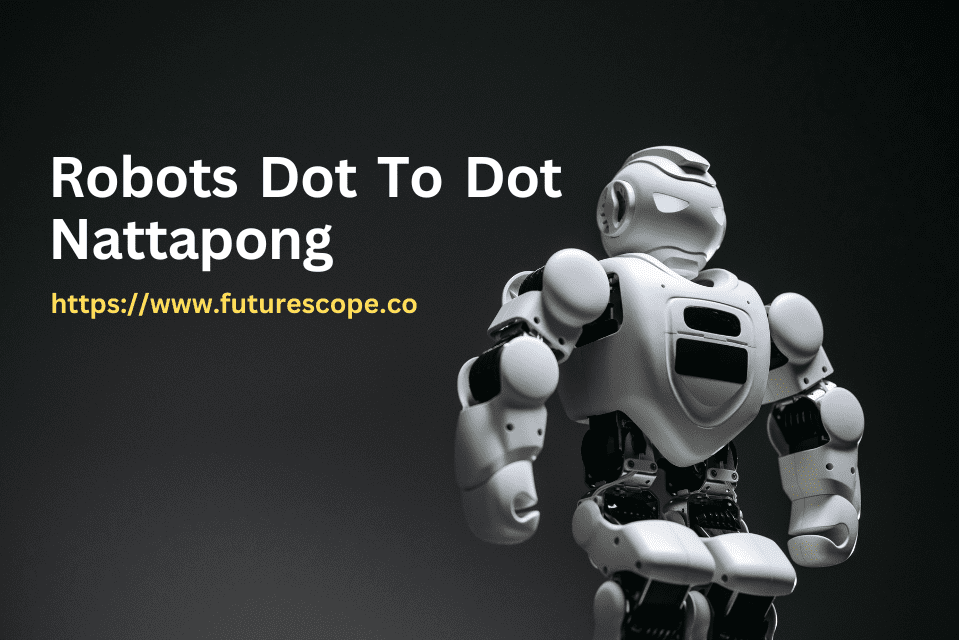

Nattapong is an artist who redefines the boundaries of creativity through his unique combination of technology and traditional artistry. His work stands out not only for its visual appeal but also for its innovative methodologies. By employing robotic systems, he explores new dimensions in art that challenge viewers’ perceptions and expectations. Nattapong doesn’t just create; he orchestrates a dialogue between human creativity and machine precision.
His artistic philosophy is rooted in the idea that technology can enhance artistic expression rather than replace it. This belief is evident in his robot dot-to-dot art, where he utilizes a systematic approach that allows for both spontaneity and control. The result is a collection of artworks that resonate with both the organic essence of hand-drawn pieces and the exactness of digital creations. Nattapong’s approach reflects a broader trend in contemporary art—a fusion of human intuition and technological advancement.
What is Robots Dot to Dot Nattapong?
The robot dot-to-dot concept is central to Nattapong’s artistic practice. At its core, this technique involves creating images through a series of connected dots, often resulting in intricate patterns and forms. What makes Nattapong’s interpretation unique is the integration of robotics. Instead of using traditional drawing tools, he employs robotic arms that can precisely navigate the canvas, following predetermined paths to create artworks that are both surprising and compelling.
This method transforms the simple act of connecting dots into a complex interplay of algorithms and artistry. Each artwork begins with a digital blueprint, which maps out the placement of dots across the canvas. The robotic system then takes over, executing the drawing process with remarkable accuracy. This not only speeds up the creation of art but also introduces an element of unpredictability. The robot may encounter variables—such as the texture of the canvas or slight miscalculations—that lead to unexpected results, thus adding an element of surprise to each piece.
Significance in Contemporary Digital Art
Nattapong’s work holds significant relevance in the context of contemporary digital art. As artists increasingly incorporate technology into their practices, Nattapong serves as a bridge between the analog and digital worlds. His robot dot-to-dot art exemplifies how technology can be used creatively without sacrificing the emotional depth typically associated with traditional art forms.
Furthermore, Nattapong’s approach raises important questions about authorship and originality in the age of automation. With robots taking on the task of drawing, the definition of the artist’s role evolves. Are the creations solely the product of the artist, or do they also belong to the technology that enabled them? This discourse challenges audiences to rethink their understanding of artistic creation and appreciation.
Moreover, the use of robotic systems in art speaks to a larger cultural narrative concerning the relationship between humanity and machines. In a world increasingly dominated by technology, Nattapong’s work invites viewers to reflect on how these advancements can coexist with, and even enhance, human creativity. His art not only captivates visually but also engages audiences intellectually, making them active participants in a conversation about the future of art.
As we delve deeper into the technical processes and methodologies behind Nattapong’s creations, we will explore the specific robotic systems he uses, the algorithms that guide his dot-to-dot designs, and how he integrates traditional artistic techniques with cutting-edge technology. This exploration will further illuminate the innovative spirit that defines Nattapong’s work and its impact on the evolving landscape of contemporary digital art.
What is Included in Robots Dot To Dot Nattapong? Technical Breakdown
The Robotic Systems
Nattapong’s artistic process is heavily reliant on advanced robotic systems, which serve as the backbone of his innovative approach to dot-to-dot art. These robots are designed to execute precise movements that translate digital designs into tangible artworks. The systems typically consist of a combination of robotic arms and computer-controlled mechanisms that allow for meticulous placement of dots on various surfaces.
The robotic arms are equipped with tools that can vary based on the medium being used. For instance, when working with paper, the robots might utilize fine-point pens to ensure clean and accurate dot placements. In contrast, for larger installations or outdoor pieces, spray paint or other application methods may be employed. This versatility in tools enhances the capability of the robots, making it possible to create artworks that range from delicate sketches to bold, expansive murals.
It is noteworthy that these robotic systems are not just automated machines but are often part of a larger framework that includes sensors and feedback systems. These components allow the robots to adjust their movements in real-time, ensuring that each dot aligns perfectly with the intended design, even if unforeseen variables arise during the execution phase.
The Robots Dot To Dot Nattapong Algorithm
Central to the operation of Nattapong’s robotic systems is the dot-to-dot algorithm, a sophisticated computational method that dictates how and where dots should be placed. This algorithm is designed to interpret complex images and break them down into a series of coordinates that the robots can follow.
The algorithm operates through several key steps:
- Image Processing: Initially, the chosen image undergoes pre-processing, where it is simplified into a monochromatic outline. This step facilitates the identification of key points that will become the dots.
- Coordinate Mapping: Following the simplification, the algorithm generates a set of coordinates that represent the locations of each dot. The complexity of the image determines the density and distribution of these points.
- Path Optimization: Once the coordinates are established, the algorithm optimizes the path that the robot will take to connect the dots. This ensures minimal movement waste and maximizes efficiency, allowing for quicker execution without compromising accuracy.
- Execution Command: Finally, the optimized path is translated into commands that the robotic system can understand and carry out. This seamless transition from digital design to physical creation is what distinguishes Nattapong’s work from traditional dot-to-dot art.
This algorithm is not static; it evolves with each project, allowing for continuous improvement and adaptation. Nattapong’s commitment to refining this algorithm underscores the dynamic relationship between technology and artistry.
Why is Robots Dot to Dot Nattapong Popular?
“Robots Dot to Dot Nattapong” has gained popularity for several reasons, combining engaging themes, developmental benefits, and appealing design. The robot theme is inherently fascinating to children, sparking curiosity about technology and creativity while appealing to both boys and girls across different age groups. This universal appeal is further enhanced by the skillful designs created by Nattapong, whose attention to detail and unique artistic style make the activities visually captivating and enjoyable.
The developmental advantages of dot-to-dot activities also contribute to their popularity. These exercises help improve fine motor skills, concentration, and early math skills, making them a favorite among parents and educators who value their educational benefits. Children are drawn to the sense of accomplishment they feel when connecting the dots to reveal intricate robot designs, and the option to color or customize their creations adds an extra layer of fun and creativity.
Additionally, the versatility of these activities makes them suitable for various settings, from travel entertainment to quiet time or classroom use. Positive reviews and word-of-mouth recommendations from parents, teachers, and children further boost the popularity of the series. Nattapong’s ability to blend engaging themes with high-quality design has made “Robots Dot to Dot” a standout choice, offering both fun and learning in one package.
How Robots Dot To Dot Nattapong Combines Fun and Education?
“Robots Dot to Dot Nattapong” effectively combines fun and education by blending engaging, robot-themed designs with activities that support child development. The creative aspect of connecting dots to reveal a robot image makes the process enjoyable and rewarding for children, turning learning into an adventure. Each activity encourages kids to focus and follow sequences, such as numbers or letters, which sharpens their cognitive skills and reinforces concepts like counting, pattern recognition, and alphabet mastery.
Beyond cognitive benefits, the act of connecting dots improves fine motor skills and hand-eye coordination, essential for writing and drawing. The robot theme adds a layer of excitement, appealing to children’s fascination with technology and futuristic designs. Once the image is completed, kids can further express their creativity by coloring or customizing the robot, enhancing their artistic abilities.
Nattapong’s intricate and visually captivating designs ensure the activities remain challenging yet enjoyable, engaging children across different age groups. This seamless integration of fun and educational elements makes “Robots Dot to Dot Nattapong” a valuable tool for parents and educators seeking to inspire learning through play. It not only entertains but also builds foundational skills, making it a perfect blend of entertainment and development.
Benefits of Robots Dot to Dot Activities to Children
Dot-to-dot activities, particularly those involving robots or robot-themed images, offer several developmental benefits for children. Educational Benefits of Dot-to-Dot Activities for Children is the first priority. These activities combine the advantages of traditional dot-to-dot exercises with the excitement of robots, which can further engage young learners. Here are some of the key benefits:
1. Enhances Fine Motor Skills
- Connecting dots requires precise hand-eye coordination and controlled pencil movements, which improve dexterity and fine motor skills.
- These skills are essential for writing, drawing, and other daily tasks.
2. Boosts Cognitive Development
- Children must follow sequences (e.g., numbers or letters) to complete the picture, which strengthens their logical thinking and problem-solving abilities.
- It helps with number and letter recognition, as they often follow numerical or alphabetical order.
3. Encourages Focus and Concentration
- Completing a dot-to-dot activity requires sustained attention, helping children develop patience and focus.
- They learn to stay on task until they finish the activity, fostering persistence.
4. Sparks Creativity and Imagination
- Completing the robot-themed image reveals a fun design that can inspire creative thinking.
- Children often color or personalize the completed robot, which further encourages artistic expression.
5. Builds Confidence and a Sense of Accomplishment
- Successfully connecting the dots and completing the image provides a sense of achievement.
- It reinforces a positive attitude toward learning and problem-solving.
6. Develops Early Math and Literacy Skills
- Counting, understanding sequences, and recognizing patterns are foundational skills for math.
- Letter-based dot-to-dot activities can help with early literacy by reinforcing the alphabet.
7. Introduces STEM Concepts in a Fun Way
- Robot-themed activities can spark curiosity about technology and engineering.
- These themes might encourage children to explore STEM-related toys, books, or programs.
8. Promotes Relaxation and Stress Relief
- The structured yet creative nature of dot-to-dot activities can have a calming effect, reducing stress and anxiety in children.
Incorporating robot-themed dot-to-dot activities into a child’s routine can make learning fun while supporting essential developmental milestones. These activities are also an excellent way for parents and educators to combine play with education.
How to Get Started with Robots Dot To Dot Nattapong?
Getting started with Robots Dot to Dot Nattapong is simple and enjoyable. Follow these steps to ensure a fun and productive experience:
1. Choose the Right Activity Book or Resources
Begin by selecting a Robots Dot to Dot Nattapong activity book or downloadable resource. Look for options suitable for your child’s age and skill level, as these books often offer varying degrees of difficulty, from simple designs for beginners to more complex ones for advanced learners.
2. Gather Necessary Supplies
Prepare basic materials such as pencils, erasers, and coloring tools like crayons, markers, or colored pencils. Having these on hand will make the activity more engaging, as kids can color the completed robot designs.
3. Create a Comfortable Workspace
Set up a quiet, well-lit area where the child can work without distractions. Ensure the surface is flat and spacious enough for the book or paper and any additional supplies.
4. Explain the Activity
Introduce the concept of dot-to-dot to your child. Explain how to connect the dots in numerical or alphabetical order and encourage them to take their time and follow the sequence carefully.
5. Encourage Creativity
Once the robot design is revealed, let your child express their creativity by coloring or personalizing the image. This adds an extra layer of fun and helps develop their artistic skills.
6. Make It a Shared Activity
If possible, join your child in the activity. This shared experience can make it more enjoyable and offers an opportunity to bond while encouraging learning.
7. Celebrate Accomplishments
After completing a design, celebrate your child’s effort and achievement. Display their work or let them show it off to family and friends, boosting their confidence and sense of accomplishment. By following these steps, you can make the most of Robots Dot to Dot Nattapong, transforming it into an engaging and educational experience for your child.
Integration of Traditional Art with Technology
While robotics and algorithms play a crucial role in creating Nattapong’s works, the essence of traditional art remains integral to the process. The fusion of technology and conventional methods creates a unique artistic experience that respects the heritage of art while embracing modern innovations.
Nattapong often begins his projects by sketching initial concepts by hand. This traditional practice grounds his work in the tactile and emotional aspects of art-making. These sketches are then digitized, serving as the foundation for the robotic execution. By merging these two worlds, Nattapong not only preserves the human touch but also amplifies it through technological means.
Moreover, this integration prompts a discussion about authorship in the realm of digital art. With robots executing the plans laid out by an artist, questions arise regarding the ownership of the artwork. Is it the artist who conceptualizes, or the machine that physically creates? This discourse adds depth to Nattapong’s body of work, inviting viewers to contemplate the evolving nature of creativity in a technologically advanced society.
In conclusion, the technical processes inherent in Nattapong’s robot dot-to-dot art illustrate a harmonious balance between innovation and tradition. This intricate interplay enriches the artistic landscape, demonstrating how technology can both challenge and enhance our understanding of art. As we delve deeper into the nuances of this captivating medium, it becomes clear that the journey from concept to creation is as important as the final piece itself.


![How to Fix YouTube Server Connection Error [400] on Android](https://www.futurescope.co/wp-content/uploads/2021/09/How-to-Fix-YouTube-Server-Connection-Error-400-on-Android-150x150.png)