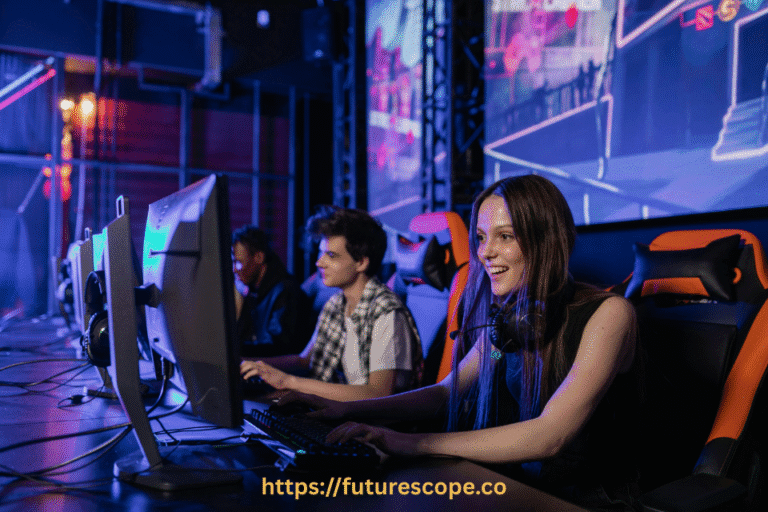


Yes, game programming is still considered a challenging yet rewarding career. It offers creative opportunities and competitive salaries.
Game programming continues to be a thriving field, attracting many talented individuals. The gaming industry is booming, with billions in revenue annually. Game developers work on innovative projects, pushing technological boundaries. The demand for skilled game programmers remains high, ensuring job security and growth.
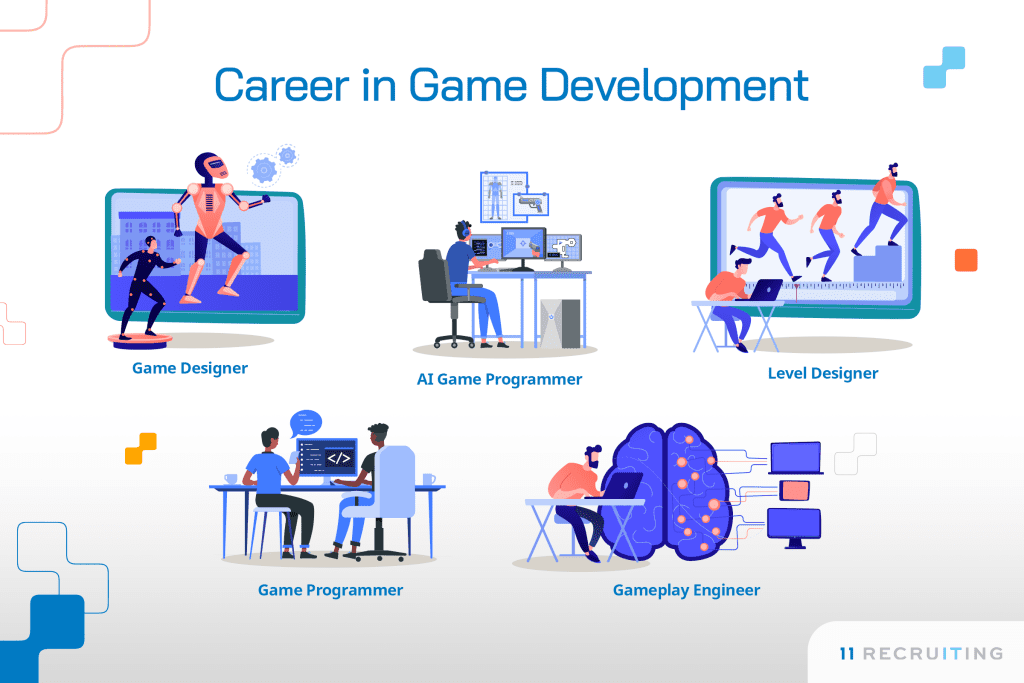
Aspiring game programmers can choose from a variety of roles, from coding to design. The collaborative nature of the industry fosters creativity and innovation. Enthusiasts passionate about gaming and technology find this career fulfilling and rewarding. Overall, game programming offers a dynamic and exciting career path with numerous opportunities for professional growth and personal satisfaction.
The Evolution Of Game Programming
Game programming has changed a lot over the years. It started with simple arcade games. Now, it includes mobile games and virtual reality. This journey shows the growth of technology and creativity in games.
From Arcade To Mobile: A Journey
Arcade games were the first big step in game programming. These games were simple but fun. They needed basic coding skills. People played these games in arcades and loved them.
Next, home consoles became popular. Games like Super Mario and Sonic the Hedgehog were born. This era needed more advanced coding. Game developers learned new tricks and techniques.
Then, the internet changed everything. Online gaming became possible. Games like World of Warcraft and Counter-Strike appeared. These games needed even more complex coding. They also needed servers and network management.
Now, we have mobile games. Games like Angry Birds and Candy Crush are very popular. Mobile game programming is different. It needs knowledge of touch screens and mobile hardware. Game developers must also think about battery life and performance.
Impact Of Emerging Technologies
Emerging technologies are changing game programming again. Virtual reality (VR) and augmented reality (AR) are two examples. VR games need special coding for immersive experiences. AR games mix the real world with digital elements.
Artificial intelligence (AI) is also important. AI helps create smarter game characters. These characters can learn and adapt. This makes games more challenging and fun.
Cloud gaming is another new trend. Players can stream games without downloading them. This needs strong internet connections and advanced coding. Game developers must ensure smooth gameplay over the cloud.
Finally, blockchain technology is entering the game world. It allows for secure transactions and unique digital assets. This is important for games with virtual economies.
| Technology | Impact on Game Programming |
|---|---|
| Virtual Reality (VR) | Needs coding for immersive experiences |
| Augmented Reality (AR) | Mixes real world with digital elements |
| Artificial Intelligence (AI) | Creates smarter game characters |
| Cloud Gaming | Allows streaming games without downloads |
| Blockchain | Enables secure transactions and unique digital assets |
Game programming continues to evolve. New technologies keep pushing the boundaries. This makes it an exciting career choice for many.
Current State Of The Gaming Industry
The gaming industry is evolving rapidly. Video games are more popular than ever. This field offers diverse opportunities for game programmers. But, is it still a great career? Let’s explore the current state of the gaming industry.
Market Trends And Growth
The gaming market is booming. Revenue from games continues to rise. According to recent statistics, the industry is worth over $150 billion. This growth shows no signs of slowing down.
Mobile gaming is a huge part of this market. Almost everyone has a smartphone. Mobile games are easy to access and play. This trend is likely to grow even more in the future.
Another key trend is the rise of eSports. Competitive gaming has become a global phenomenon. Many players dream of becoming professional eSports athletes. This adds another layer to the gaming industry.
| Segment | Revenue (in billions) |
|---|---|
| Mobile Games | 77.2 |
| PC Games | 37.4 |
| Console Games | 45.2 |
The Role Of Indie Developers
Indie developers play a crucial role. They bring fresh ideas to the table. Many successful games started as indie projects. These developers often work with small budgets. Yet, they create innovative and engaging games.
Platforms like Steam and itch.io support indie developers. These platforms make it easier to publish and distribute games. Crowdfunding has also become a popular way to finance projects. Sites like Kickstarter help developers raise funds.
- Indie games offer unique gameplay experiences.
- They often experiment with new game mechanics.
- Many indie games receive critical acclaim.
The indie scene is growing. More developers are choosing this path. It offers creative freedom and a chance to stand out. This makes game programming an exciting career choice.
Skills And Qualifications For Aspiring Game Programmers
Game programming is a dynamic and rewarding career. Aspiring game programmers need specific skills and qualifications. These skills help them succeed in the competitive gaming industry.
Must-have Technical Skills
Technical skills form the backbone of a game programmer’s career. Here are some essential ones:
- Programming Languages: Mastery of C++, C#, and Java is crucial.
- Game Engines: Proficiency in Unity and Unreal Engine is highly valued.
- Mathematics: Strong knowledge of algebra, calculus, and physics.
- Graphics Programming: Skills in OpenGL and DirectX are important.
- Artificial Intelligence: Understanding of AI concepts enhances game realism.
Soft Skills That Make A Difference
Technical skills alone are not enough. Soft skills play a crucial role in a game programmer’s success.
- Problem-Solving: Ability to find solutions to complex issues.
- Teamwork: Collaboration with artists, designers, and other developers is key.
- Communication: Clear communication ensures project goals are met.
- Creativity: Innovative thinking improves game design and player experience.
- Time Management: Meeting deadlines is essential in the fast-paced gaming industry.
Does Game Programming Have A Future? Challenges In Game Programming
Game programming remains an exciting career. It offers both opportunities and challenges. Understanding the future can help navigate this dynamic field.
Innovations Shaping The Future
Innovations in technology are transforming game programming. Virtual Reality (VR) and Augmented Reality (AR) are leading this change. They create immersive experiences for players.
Artificial Intelligence (AI) is another key innovation. AI enhances gameplay with smart characters and dynamic environments. Cloud gaming is also gaining popularity. It allows players to stream games directly without the need for powerful hardware.
Here are some key technologies shaping the future:
- Virtual Reality (VR)
- Augmented Reality (AR)
- Artificial Intelligence (AI)
- Cloud Gaming
Navigating The Competitive Landscape
The game programming industry is highly competitive. Many talented developers enter the field every year. To stand out, one must master new technologies and tools.
Building a strong portfolio is crucial. Showcase your best projects and skills. Networking with other professionals also helps. Attend industry events and join online communities.
Here are some tips for success:
- Master new technologies
- Build a strong portfolio
- Network with professionals
- Stay updated with industry trends
Game programming offers great potential. With dedication and the right skills, it can be a rewarding career.
Will AI replace game developers?
The question of whether AI will replace game developers is complex and multifaceted. Here are several considerations that shed light on this topic:
Current Capabilities of AI in Game Development
- Automation of Repetitive Tasks: AI is increasingly used to automate repetitive and time-consuming tasks in game development, such as debugging, optimizing graphics, and even generating procedural content like levels or landscapes.
- Assistance in Game Design: AI can assist in creating game assets, writing dialogue, and balancing game mechanics. Tools powered by AI can generate textures, animations, and even music, reducing the workload for developers.
- Enhanced Player Experience: AI is crucial in enhancing player experience through sophisticated NPC behavior, personalized content, and adaptive difficulty levels. AI-driven analytics can also provide insights into player behavior, informing design decisions.
Limitations of AI in Replacing Human Developers
- Creativity and Innovation: While AI can generate content based on patterns and existing data, true creativity and innovation still require human intuition, imagination, and emotional intelligence. Designing unique game worlds, storytelling, and innovative gameplay mechanics are areas where human developers excel.
- Complex Problem Solving: Game development often involves complex problem-solving that goes beyond pattern recognition and data processing. Human developers bring critical thinking, contextual understanding, and the ability to navigate ambiguous situations.
- Artistic Vision: Games are a form of art, and the artistic vision behind a game is inherently human. The nuances of artistic expression, cultural references, and emotional storytelling are areas where human touch is irreplaceable.
Collaborative Potential
- Augmentation Rather Than Replacement: AI is more likely to augment the capabilities of game developers rather than replace them. By handling mundane tasks and providing intelligent tools, AI allows developers to focus on the creative and strategic aspects of game development.
- Hybrid Teams: The future of game development may see hybrid teams where AI tools and human developers work together seamlessly. AI could handle tasks like procedural generation and analytics, while humans drive the creative direction and design.
Future Prospects
- Evolving Role of Developers: As AI becomes more integrated into game development, the role of developers may evolve. Developers might focus more on high-level design, narrative creation, and the ethical implications of AI in games.
- New Opportunities: The integration of AI in game development could lead to new genres and experiences that were previously impossible. It opens up possibilities for more dynamic, personalized, and expansive game worlds.
Frequently Asked Questions
Is Game Programming A Good Career?
Yes, game programming is a rewarding and dynamic career with high demand and creative opportunities.
What Skills Are Needed For Game Programming?
Key skills include programming languages, problem-solving, mathematics, and knowledge of game development tools and engines.
Are Game Programmers In Demand?
Yes, the gaming industry is growing rapidly, creating high demand for skilled game programmers worldwide.
What Is The Average Salary For Game Programmers?
Game programmers earn an average salary of $50,000 to $100,000, depending on experience and location.
Is Game Programming a Stable Job?
Game programming can offer stable job prospects for those with a passion for both technology and gaming. As the gaming industry continues to grow rapidly, the demand for skilled game developers remains high. With advancements in technology such as virtual reality and augmented reality, game programmers have opportunities to work on cutting-edge projects that push boundaries and captivate audiences.
While the industry can be competitive, those who are dedicated and stay current with evolving technologies have the potential to secure stable positions within reputable companies. Game programmers also have the flexibility to work in various sectors beyond traditional gaming, such as simulation development, educational software, or even healthcare applications. By honing their skills and adapting to market trends, game programmers can establish themselves as valuable assets in a dynamic and ever-changing field.
Conclusion
Game programming remains a vibrant career choice with endless opportunities. The industry continues to grow rapidly. Passionate developers will find rewarding and exciting work. It’s a field that blends creativity and technology. For those who love gaming and coding, it’s an ideal path.
Pursue your dream in game programming today!