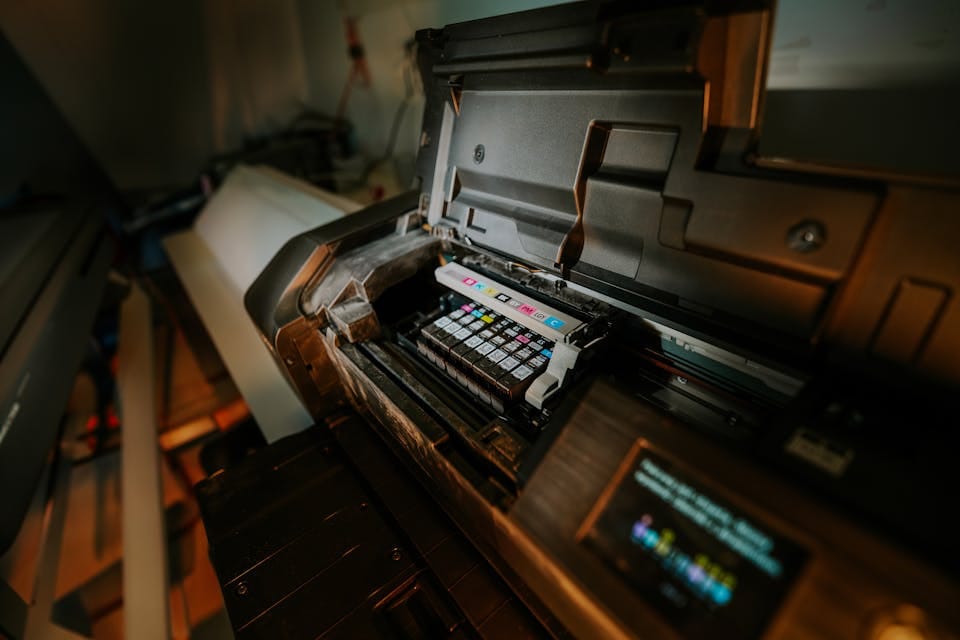

Some inkjet printers use pigment ink, but others use dye-based ink. The choice of ink depends on the printer model and application.
Inkjet printers are popular for their ability to produce high-quality prints with rich colors and sharp details. They serve various printing needs, from home offices to professional photo studios. Pigment inks, known for their longevity and resistance to UV light, are a top choice for archival prints and documents that need to withstand the elements.
As you shop for an inkjet printer, consider the type of ink it uses in relation to your printing requirements. With technological advancements, inkjet printers that employ pigment ink have become increasingly accessible, offering users durable prints without sacrificing color vibrancy.
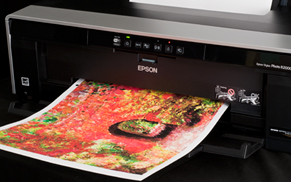
Inkjet Printer Ink Varieties
When talking about Inkjet Printer Ink Varieties, most people immediately think of the vibrant colors printed on their photos and documents. Inkjet printers can use different types of inks. Each type has its own benefits and purposes.
Dyes Vs. Pigments
Inkjet printers often use two main types of inks:
- Dye-based inks – These inks are known for their bright colors. They dissolve completely in liquid.
- Pigment-based inks – These inks are tiny particles. They do not dissolve. They sit on the paper’s surface.
Dye inks are great for glossy photos. They blend smoothly for a high-quality finish. Pigment inks work well for documents. They resist fading and water better than dye inks.
Composition Of Printer Ink
What is inside printer ink? Printer ink has many parts:
| Ingredient | Function |
|---|---|
| Colorant | Provides color. It can be dye or pigment. |
| Carriers | Helps to spread the ink evenly on the paper. |
| Humectants | Keeps the ink moist. Stops it from drying out. |
| Resins | Gives the print a glossy look. |
| Defoamers | Stop bubbles forming in the ink. |
The composition of inkjet ink helps it perform well. Pigment and dye inks use different ingredients. They create different print effects.

Pigment Ink Advantages
Pigment Ink Advantages stand out in the vibrant world of inkjet printing. These inks offer superior attributes. They cater to longevity, water resilience, and versatility in media compatibility. Let’s explore the benefits that make pigment inks a favorite among professionals and hobbyists alike.
Longevity And Fade Resistance
One of the most compelling reasons to use pigment inks is their impressive longevity. Pigment inks bond well with many types of print media. This strong bond means your prints keep their vibrance and detail for years. Pigment inks often resist fading from UV light. This is critical for prints displayed or stored in areas with sunlight exposure. Museums and galleries almost always prefer pigment inks for preserving artwork and photographs.
Waterproof Printing
The water-resistant nature of pigment inks is a game-changer for printers. Unlike dye-based inks, which can bleed or wash away with moisture, pigment inks stay intact. Documents, labels, and outdoor signage become smudge-proof and enduring against the elements. This water resistance ensures important prints remain legible and pristine, come rain or shine.
Print Quality On Various Media
Pigment inks truly shine when printing on a range of media types. From glossy photo papers to canvas, pigment inks provide consistent quality. The inks sit on top of the media rather than absorbing into it, resulting in sharp, detailed images. Artists and photographers rely on the ability to print across different materials without sacrificing the reproduction accuracy of their work. This versatility opens up endless possibilities for creating professional-grade prints on a variety of surfaces.
Common Uses Of Pigment Ink In Printing
Imagine a world where colors pop from the page with a vibrancy that lasts for ages. Pigment ink makes this a reality, especially for inkjet printers. Unlike its counterpart, dye ink, pigment ink settles on top of the paper. It creates long-lasting prints resistant to water and sun. Here we explore the diverse roles of pigment ink in various printing tasks.
Professional Photography And Art Prints
For artists and professional photographers, pigment ink is the go-to choice. It ensures their creations stand out with vivid clarity.
- Color Stability: No fading over time, preserving the art’s beauty.
- Durability: Prints withstand the test of time.
- Paper Versatility: Works well with a broad range of fine art papers.
Business And Legal Documents
Sharp text and non-bleeding lines are crucial for business and legal documents. Pigment ink delivers this precision.
| Feature | Benefit |
|---|---|
| Water Resistance | Important papers stay readable. |
| Fast Drying | Efficient handling and stacking. |
| Smudge Proof | Clean, professional finish. |
Outdoor Signage And Banners
Pigment ink shines under the sun. Outdoor signs and banners remain vibrant and readable even after long exposure.
- UV Resistant: Colors stay true, no sun-fade.
- Weatherproof: Stands up to rain and wind.
- Longevity: Marketing messages last longer.
Choosing The Right Ink For Your Printer
Choosing the right ink for your printer isn’t just about what looks good on paper. It’s essential to consider if your device supports pigment-based inks or dye-based inks, and their impact on your printing costs and needs. With the right knowledge, you can make an informed decision that offers the best print quality for your budget and requirements.
Printer Compatibility
Determining the compatible ink for your inkjet printer marks the first step. Printers are designed to work with specific kinds of inks. Some printers operate with dye-based inks while others require pigment-based inks. Check your printer’s manual or manufacturer’s website to find the recommended ink type.
- Pigment ink: Suitable for longevity and quality.
- Dye ink: Great for vibrant color printing.
The right match ensures you get the best performance from your printer without causing damage.
Cost Considerations
Pigment inks often come with a higher price tag due to their lasting print quality. In contrast, dye-based inks are less expensive but may need more frequent replacement. Consider your budget and how often you print when choosing your ink.
Refilling cartridges might save money, but ensure they’re compatible with your printer to avoid unnecessary expenses from potential damage. Here’s a quick comparison:
| Factor | Pigment Ink | Dye Ink |
|---|---|---|
| Price per Cartridge | Higher | Lower |
| Longevity | Longer-lasting | Less durable |
| Quality | Sharp & Crisp | Vibrant Colors |
Determining Printing Needs
Identify the purpose of your printing. If you’re printing photos that last years, pigment ink is your best friend. For everyday use and documents, dye-based inks are efficient and cost-effective.
Consider these factors:
- Print longevity and fade resistance.
- Color vibrancy and saturation for different media types.
- Frequency of use and volume of printing.
Making the right ink choice saves time and money, and ensures quality prints every time.
Frequently Asked Questions For Do Inkjet Printers Use Pigment Ink?
How Do I Know If My Printer Ink Is Pigment Or Dye?
Check your printer ink or cartridge packaging for labels like “pigment” or “dye. ” Inspect the printouts; pigment ink is typically matte and resistant to water, while dye ink has a glossy finish and may smudge when wet.
Do Hp Printers Use Dye Or Pigment Ink?
HP printers use both dye and pigment inks. The specific ink type varies by printer model and cartridge selection.
What Printer Compatible With Pigment Ink?
Many Epson and Canon printers support pigment ink. Specifically, Epson’s SureColor series and Canon’s PIXMA Pro line are compatible. Always check your printer model’s specifications to confirm ink compatibility.
Which Color Ink Is Used In Inkjet Printer?
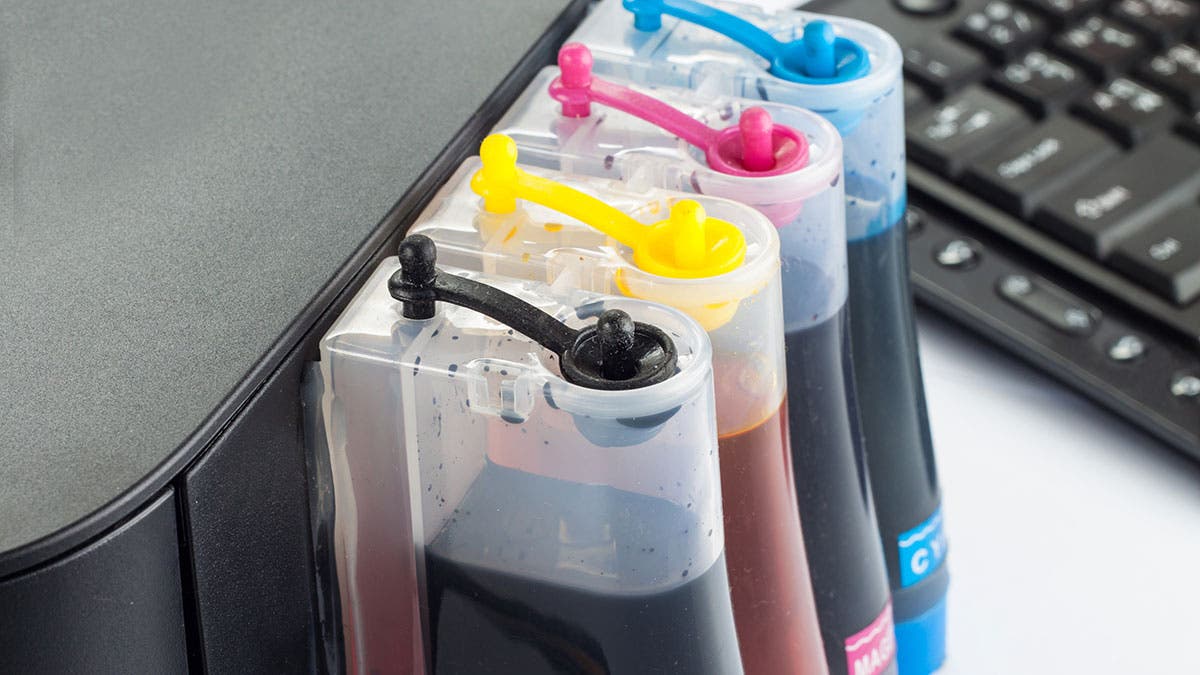
Inkjet printers commonly use cyan, magenta, yellow, and black (CMYK) ink colours for printing.
Conclusion
Understanding the ink your inkjet printer uses is crucial for print quality and longevity. Pigment ink stands out for its durability and vibrant colors, making it a preferred choice for many. To ensure the best results, check your printer’s specifications and choose the right ink type to meet your printing needs.