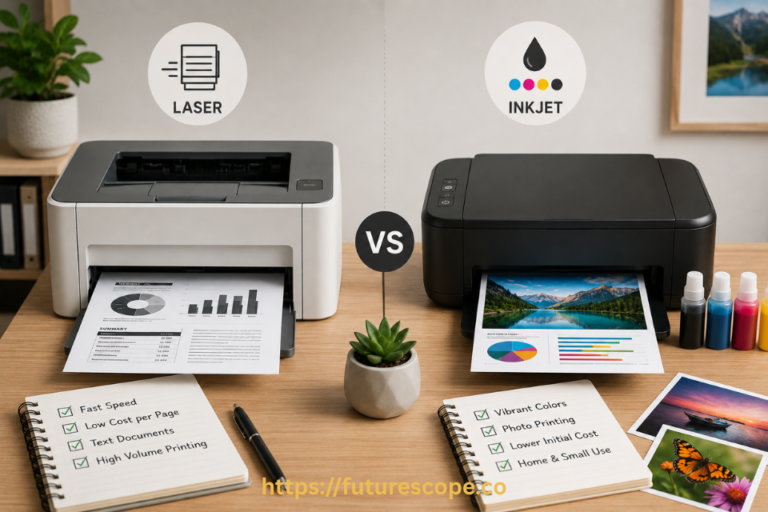


Inkjet printers are not bad for your health. The inks used in these printers are water-based and pose no health risks. However, if you are concerned about the emissions from these printers, you can choose to buy an inkjet printer with low emission levels.
You may have seen headlines claiming that inkjet printers are bad for your health. But is there any truth to these claims?
Let’s take a look at the evidence. One concern is that the chemicals in inkjet printer ink can be harmful if inhaled or ingested. However, most of the ink is contained within the cartridge and very little actually gets released into the air during printing.
So, while it’s possible that you could be exposed to small amounts of ink fumes, it’s unlikely that this would pose a significant health risk. Another worry is that inkjet printers can release fine particles of toner into the air, which can be breathed in and cause respiratory problems. However, modern printers are designed to minimise toner emissions and many come with filters to further reduce any risks.
So, while there are some potential risks associated with using inkjet printers, these are generally small and can be effectively managed. If you have any concerns about your health when using an inkjet printer, speak to your doctor or a qualified healthcare professional.
Ink Cartridges Are A Scam
Can Printers Cause Health Problems?
Printers can emit a variety of harmful particles into the air, including fine dust, volatile organic compounds (VOCs), and ozone. These particles can cause a range of health problems, including respiratory irritation, headaches, dizziness, and cancer. Fine dust is the most common type of particle emitted by printers.
It is made up of very small pieces of paper, toner, and other materials used in the printing process. This dust can easily become airborne and inhaled, causing respiratory irritation. Fine dust can also aggravate existing conditions like asthma and allergies.
Volatile organic compounds (VOCs) are chemicals that easily turn into gas at room temperature. They are found in printer ink, toner, and cleaning solutions. When these products are used in printers, VOCs are released into the air where they can be breathed in.
Exposure to VOCs has been linked to a variety of health problems including headaches, nausea, dizziness, kidney damage, liver damage, central nervous system damage, and cancer. Ozone is another type of particle emitted by printers. It is formed when electric currents interact with oxygen molecules in the air.
Ozone can cause a number of respiratory problems including coughing, wheezing ,and shortness of breath . It has also been linked to lung cancer.
Why are Inkjet Printers So Bad?
It’s no secret that inkjet printers are notorious for being finicky and unreliable. So why are they so bad? Let’s take a look at some of the reasons:
1. Inkjet printers use tiny nozzles to spray ink onto paper, and these nozzles can easily become clogged. This results in streaks or gaps in your printouts, and can even ruin an entire page if the problem is bad enough. Regular cleaning and maintenance can help reduce the risk of nozzle clogs, but it’s an ongoing battle.
2. The ink used in inkjet printers is water-based, which means it dries quickly. This is great for convenience, but it also means that any dust or debris in the air can cause problems with your prints. If there’s even a small amount of dust on the paper, it can result in ugly smudges.
3. Inkjet printers are also very sensitive to temperature and humidity changes. If the temperature or humidity changes too much while a print job is in progress, it can mess up the entire job. This is why many people recommend keeping an eye on the weather forecast before starting a big print job!
4. Another downside to water-based ink is that it doesn’t always play nice with different types of paper. Some papers are too absorbent and will cause the ink to bleed, while others are too slick and will cause smudging issues. It takes trial and error to find the right type of paper for your printer (and your budget), but it’s worth taking the time to do some research upfront.
5 .Finally, inkjet printers tend to be much slower than their laser counterparts.
Do Printers Emit Toxic Fumes?
Printers, like any other electronic device, emit some level of toxic fumes. The most common toxin emitted by printers is ultrafine particles, which can be inhaled and cause health problems. Some printers also emit ozone, which can be harmful to your lungs.
Is It Safe to Sit near a Printer?
Printers release small particles into the air when they are in use. These particles can be inhaled and may cause health problems, especially for people with asthma or other respiratory conditions. Some printers also use harmful chemicals, such as toner, which can be dangerous if inhaled.
It is therefore advisable to sit at least six feet away from a printer when it is in use, and to ventilate the room well to ensure that any harmful particles are quickly dispersed. When choosing a printer, look for one that has low emissions of harmful chemicals and particles.

Is Sitting Next to a Printer Bad for You?
Sitting next to a printer may not be the healthiest thing for you. Although printers don’t emit high levels of radiation, they do release small amounts of ozone and other chemicals into the air. These chemicals can be harmful if you’re exposed to them for long periods of time.
If you have to sit next to a printer, make sure it’s well-ventilated so that the ozone and other chemicals are diluted. You might also want to consider wearing a mask to protect your lungs from exposure.
Safe Distance from Printer
You may not realize it, but your printer can be a source of danger in your home or office. Every year, people are injured by printers that fall off desks or topple over. In some cases, these accidents can be fatal.
That’s why it’s important to keep a safe distance from your printer. Here are some tips to help you stay safe:
- Keep your printer on a stable surface, such as a desk or table. Don’t put it on top of a shelf or cabinet where it could fall and injure someone.
- Use the correct type of paper for your printer. Some types of paper can cause the printer to malfunction and even catch fire.
- Never leave your printer unattended while it’s printing. If you must leave the room, turn off the printer first.
- Keep flammable materials away from your printer.
This includes paper, ink cartridges, and cleaning supplies. following these simple safety tips will help keep you and others safe around printers.
Laser Printer Health Risks
Laser printers have become a staple in many offices and homes, but there are some health risks associated with them that you should be aware of. The toner in laser printers contains fine particles of plastic that can be inhaled when the printer is used. These particles can cause respiratory problems and have been linked to cancer.
In addition, the ozone emissions from laser printers can be harmful to your health. Ozone is a gas that can irritate your lungs and cause difficulty breathing. It has also been linked to asthma and other respiratory illnesses.
If you use a laser printer, it’s important to make sure that it is properly ventilated so that you aren’t exposed to these health risks. You should also avoid using them in small, enclosed spaces.
Conclusion
Are Inkjet Printers Bad for Your Health? You may have heard that inkjet printers can be bad for your health. There are a few reasons why this might be the case.
First, the ink in inkjet printers can contain harmful chemicals. Second, the printer itself can emit harmful particles into the air. If you are concerned about your health, there are a few things you can do to minimize the risk from inkjet printers.
First, choose an inkjet printer that uses less toxic inks. Second, make sure your printer is well-ventilated so that any harmful particles it emits will dissipate quickly. Finally, consider using a HEPA filter to remove any particles from the air before they reach you.