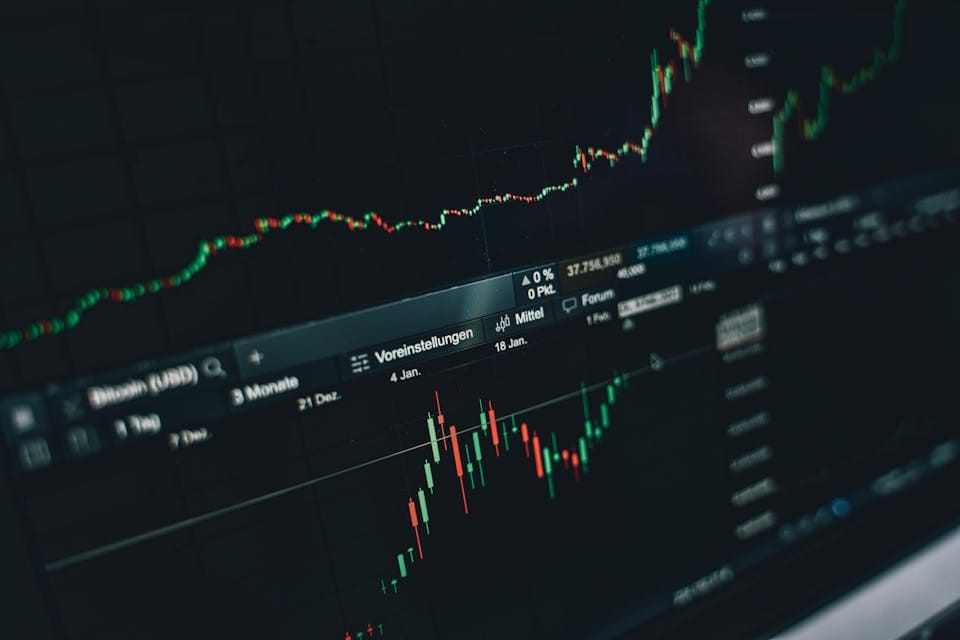

Forex trading bots are automated software programs designed to execute trades in the foreign exchange market on behalf of investors. These bots utilize algorithms to analyze market data and make decisions based on predefined criteria. Their primary function is to take the emotion out of trading, acting quickly and efficiently in response to market fluctuations. By automating the trading process, these bots can operate around the clock, ensuring that opportunities are not missed due to human limitations.
Types of Trading Strategies Automated Bots Employ
Automated trading bots implement various strategies to maximize profitability. Here are some common types:
- Trend Following: This strategy aims to capitalize on existing market trends. The bot will enter a trade when it detects a strong trend and exit when the trend shows signs of reversal.
- Scalping: Scalping involves making numerous small trades over short periods to capture minute price changes. Bots using this strategy can execute hundreds of trades within a single day.
- Range Trading: This strategy capitalizes on price fluctuations within a defined range. The bot will buy at support levels and sell at resistance levels, attempting to profit from predictable movements in price.
- Arbitrage: Arbitrage bots identify price discrepancies between different markets or brokers and exploit these differences for profit.
- News-Based Trading: Some bots are programmed to respond to news events that can affect currency prices. They analyze news releases and execute trades based on anticipated market reactions.
These various strategies allow traders to choose a bot that aligns with their risk tolerance and investment goals.
Difference Between Manual Trading and Bot-Assisted Trading
Manual trading requires human intervention to analyze charts, monitor market conditions, and make buy or sell decisions. Traders must rely on their knowledge, intuition, and emotional control. This method can be rewarding but often leads to mistakes arising from stress or emotional reactions during volatile conditions.
Conversely, bot-assisted trading relies on algorithms to perform trading tasks. Bots can process vast amounts of data rapidly, allowing them to make informed decisions in real-time. They do not experience emotions such as fear or greed, which can cloud judgment and lead to poor decision-making. This automation enables traders to focus on strategy development rather than execution.
While both approaches have their merits, the choice between manual trading and bot-assisted trading depends on individual preferences and trading styles. Some traders may prefer a hybrid approach, where they set parameters for the bot while retaining the ability to intervene manually if needed.
Understanding these foundational concepts about forex trading bots sets the stage for exploring their benefits and risks. As you learn more about how these automated tools work, you can make informed decisions regarding their use in your trading strategy.
Benefits and Risks
Key Advantages of Using Trading Bots
Forex trading bots bring several notable advantages that can enhance the trading experience. Understanding these benefits can help traders make informed decisions about utilizing automated systems.
- 24/7 Operation: One of the primary benefits of trading bots is their ability to operate round-the-clock. Unlike manual traders, who may be limited by time constraints or personal obligations, bots can monitor the market at any hour. This non-stop activity allows for the identification and execution of trading opportunities as they arise, regardless of geographical location or time zone.
- Emotion-Free Trading: Trading decisions driven by fear or greed often lead to poor outcomes. Bots eliminate emotional bias by adhering strictly to pre-set algorithms. This means trades are executed based on data and technical analysis rather than human emotions, potentially leading to more consistent results.
- Speed and Efficiency: Automated trading bots can analyze vast amounts of data much faster than a human ever could. They can react to market changes in real-time, executing trades almost instantaneously. This speed can be crucial in the fast-paced forex market, where prices can fluctuate dramatically in a short period.
- Backtesting Capabilities: Many trading bots allow users to backtest their strategies against historical data. This feature enables traders to evaluate how a strategy would have performed in the past, fostering confidence in its potential effectiveness before risking real money.
Potential Risks and Drawbacks
While the benefits of trading bots are significant, there are also inherent risks that traders should consider.
- Technical Failures: Automated systems are not immune to technical issues. Software glitches, connectivity problems, and server outages can occur, leading to missed opportunities or unintended trades. A trader relying solely on a bot may find themselves at a disadvantage if such failures happen at critical times.
- Market Volatility: Forex markets can be highly volatile, with sudden movements that may not align with a bot’s programmed strategy. Bots typically rely on historical data to make predictions, which can be problematic during unpredictable market conditions. Consequently, a bot that performs well in stable environments may struggle during turbulent periods.
- Over-Reliance on Historical Data: While backtesting is a valuable tool, it has its limitations. Past performance does not guarantee future results. Relying too heavily on historical data can lead to complacency, causing traders to overlook the need for ongoing analysis and adaptation to current market conditions.
- Lack of Adaptability: Most trading bots operate on fixed algorithms and predefined strategies. As market dynamics change, a bot may fail to adjust effectively. This rigidity can result in missed opportunities or losses if market conditions evolve beyond what the bot was designed to accommodate.
Understanding these advantages and risks is essential for anyone considering the use of forex trading bots. It is vital to weigh the potential benefits against the drawbacks to develop a balanced approach to trading.
As you explore the world of automated trading further, the next step involves selecting the right trading bot. Knowing what features to look for and understanding reputable providers can significantly impact your trading success.
Selecting the Right Trading Bot
Choosing the right trading bot is a crucial step in your Forex trading journey. With numerous options available, it’s essential to evaluate them based on specific features, reliability, and cost. Understanding these aspects can enhance your trading experience and help mitigate some of the risks associated with automated trading.
Key Features to Look For in a Trading Bot
When selecting a trading bot, consider the following key features:
- Automation Level: Look for bots that offer high levels of automation, enabling them to execute trades without constant user input. This is particularly beneficial for those who cannot monitor the markets 24/7.
- Backtesting Capabilities: A good trading bot should have robust backtesting features that allow you to test strategies against historical data. This will give you insights into potential performance before deploying it in live trading conditions.
- User-Friendly Interface: Ensure that the bot has an intuitive interface. A user-friendly design allows traders of all skill levels to navigate the platform easily and make adjustments as needed.
- Security Measures: Since trading bots operate online, security is paramount. Look for bots that use encryption and two-factor authentication to protect your funds and personal information.
- Customer Support: Reliable customer service is important in case you encounter issues or have questions. A responsive support team can significantly enhance your experience and address concerns promptly.
Reputable Providers and Platforms
Selecting a reputable provider is vital for ensuring your trading bot operates effectively. Here are some well-known platforms that offer trusted trading bots:
- MetaTrader 4 and 5: These platforms are widely popular among Forex traders. They support various bots and allow for extensive customization.
- cTrader: Known for its user-friendly interface, cTrader offers advanced features and supports algorithmic trading through its cAlgo platform.
- TradeStation: This platform provides advanced trading tools and allows users to develop their own custom trading strategies.
- NinjaTrader: Another popular choice, NinjaTrader focuses on futures and Forex trading, offering a range of automated trading solutions.
Before committing to a specific provider, research their reputation within the trading community. User reviews and forums can provide valuable insights into their reliability and effectiveness.
Why Most Automated Systems Eventually Fail?
Despite the initial appeal, many automated systems ultimately succumb to failure. Common reasons include:
- Over-optimization: As previously discussed, strategies tailored too closely to historical data can lead to disastrous outcomes in changing conditions.
- Market Adaptation: Robots often lack the ability to adapt quickly to rapidly evolving market dynamics, leading to missed opportunities or increased losses.
- Technical Vulnerabilities: Issues such as server downtimes or software bugs can disrupt trading, resulting in significant financial repercussions.
As these challenges become apparent, it is essential for traders to maintain realistic expectations about the capabilities of forex robots. Understanding these limitations allows for a more informed approach to integrating automation into trading strategies.
The journey through the intricacies of automated trading continues, highlighting the need for human oversight and strategic decision-making alongside technological advances.
Conclusion: Finding Balance
In navigating the world of forex trading robots, finding a balance between automation and human oversight is essential. While automated systems offer the alluring promise of efficient trade execution and emotional detachment, they also come with significant limitations that can detract from long-term success.
Realistic Incorporation of Automation
To effectively incorporate automation into your trading strategy, it is crucial to have realistic expectations. Automated systems should be viewed as tools that complement, rather than replace, human judgment. Setting clear goals and understanding the specific capabilities of the robot in use can help traders maximize their potential benefits while minimizing risks.
The Importance of Human Oversight
Despite their efficiency, trading robots are not infallible. Market conditions can shift rapidly, leading to scenarios where algorithms falter. Regular monitoring is necessary to ensure that the automated system performs as expected. Human oversight can identify when adjustments are needed or when to withdraw from trades that deviate from anticipated outcomes. Maintaining an active engagement with the forex trading terms process allows for a more nuanced approach, blending the precision of algorithms with the intuition of a seasoned trader.
Trusting Machines vs. Gut Instincts
Deciding when to trust an automated system versus relying on personal intuition is a delicate balance. There are moments when market trends may require a human touch—an understanding of broader economic factors or sudden geopolitical events. Conversely, during stable periods, leveraging the speed and accuracy of robots can yield profitable results. Striking this balance requires experience and a thoughtful assessment of market dynamics.
As traders become adept at integrating both automation and human insight, they will be better equipped to navigate the complexities of forex trading, making informed decisions that enhance their overall strategy. This balanced approach lays the foundation for addressing the realities of automated trading, paving the way for deeper analysis of real-world performance and its implications.