
Hospitals exist to save lives, but in today’s digital world, they have also become prime targets for hackers. Over the past decade, cyberattacks against healthcare institutions have surged. From ransomware shutting down emergency rooms to stolen patient records sold on the dark web, hospitals are on the frontline of a cyber war they did not choose. But why exactly do hackers target hospitals? The answer lies in a combination of valuable data, vulnerable systems, and high-stakes urgency that makes healthcare a unique and profitable target.
Healthcare Data Is More Valuable Than Credit Cards
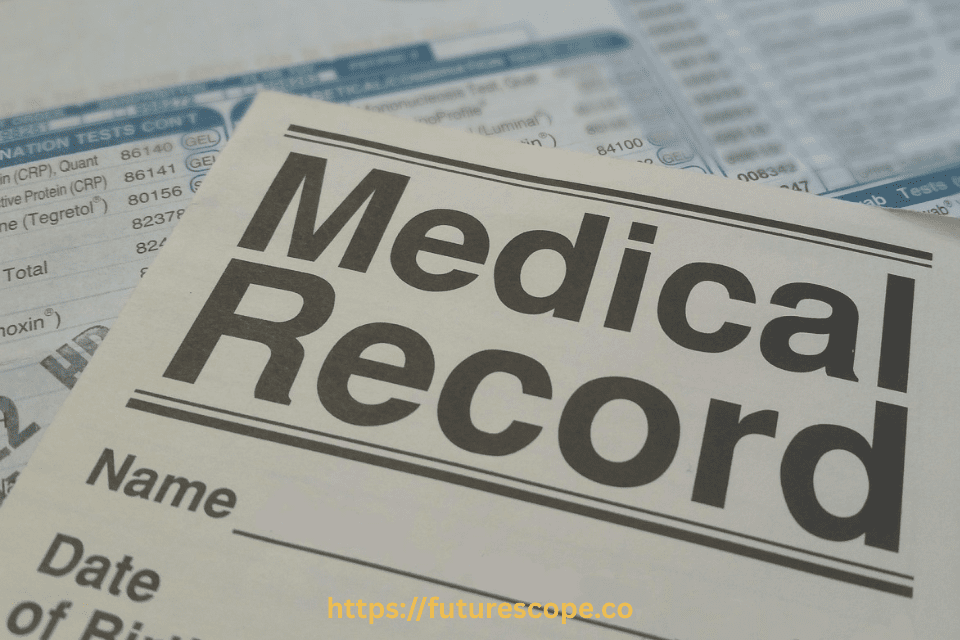
One of the main reasons hackers target hospitals is the value of patient data. A single medical record can contain a person’s full name, Social Security number, date of birth, home address, insurance details, and medical history. Unlike credit card numbers, which can be canceled and replaced, medical records are permanent. This makes them incredibly valuable on the black market.
According to cybersecurity experts, stolen medical records can fetch 10 to 20 times more than credit card information on underground forums. Hackers can use this data for identity theft, fraudulent insurance claims, or to obtain prescription drugs illegally. With millions of patient files stored digitally, hospitals represent massive data vaults waiting to be cracked.
Hospitals Rely on Legacy Systems
Another key reason is outdated technology. Many hospitals still rely on decades-old software, unsupported operating systems, and medical devices never designed with cybersecurity in mind. From MRI machines to ventilators, countless devices are connected to hospital networks but lack proper protection.
These legacy systems make hospitals “low-hanging fruit” for attackers. While banks and tech companies invest heavily in modern cybersecurity infrastructure, healthcare organizations often struggle with limited budgets. Patching systems, upgrading hardware, or hiring skilled IT staff can be difficult when resources are stretched thin. Hackers know this and exploit these weaknesses.
Ransomware Works Too Well Against Hospitals
Ransomware has become the weapon of choice for attackers targeting healthcare. By encrypting hospital files and demanding payment to unlock them, hackers take advantage of the fact that downtime in a hospital can literally cost lives.
When electronic health records are locked, doctors may lose access to patient histories, medication lists, and test results. Emergency rooms may have to turn away patients. Surgeries may be delayed. In such situations, many hospitals feel pressured to pay the ransom quickly to restore operations.
In 2020, the COVID-19 pandemic amplified this vulnerability. Hackers launched waves of ransomware attacks against hospitals already overwhelmed by the crisis. Some facilities paid millions of dollars in ransom to regain access to their systems. The success of these attacks only encourages more criminals to repeat the strategy.
The Rise of Double Extortion
Hackers are not only encrypting files but also stealing them before locking systems down. This “double extortion” tactic means that even if a hospital restores its systems from backups, the attackers can still threaten to release sensitive patient information publicly unless paid.
The risk of exposing confidential patient data adds another layer of pressure. Hospitals are bound by laws like HIPAA (Health Insurance Portability and Accountability Act) in the United States, which imposes heavy penalties for data breaches. The threat of reputational damage and legal consequences often forces institutions into paying attackers.
A Rich Target for Espionage
Hospitals aren’t only valuable to cybercriminals seeking money. Nation-state hackers also target healthcare institutions for espionage. Medical research centers and hospitals often collaborate on clinical trials, drug development, and cutting-edge medical technologies.
During the pandemic, state-sponsored hackers were caught targeting hospitals and pharmaceutical companies to steal vaccine research data. For countries engaged in global competition, stealing intellectual property from medical institutions can provide strategic advantages without years of investment.
Human Error Magnifies the Risk
Cybersecurity experts often say the weakest link in any system is the human being operating it. Hospitals employ thousands of doctors, nurses, and staff who must juggle patient care alongside digital tools. This makes them prime targets for phishing attacks.
Hackers frequently send emails disguised as IT updates, appointment reminders, or even lab test notifications. If a single employee clicks a malicious link, an attacker can gain access to the hospital’s network. In a high-pressure environment where staff are overworked and rushing to save lives, mistakes are easy to make.
Why Hospitals Struggle to Defend Themselves?
Healthcare organizations face a perfect storm of challenges:
- Budget constraints: Cybersecurity investment competes with medical equipment, staffing, and patient services.
- Complex infrastructure: Hospitals use a patchwork of systems from different vendors, making unified security difficult.
- Life-and-death urgency: Unlike other industries, downtime in healthcare can mean fatalities, forcing quick decisions under duress.
- Regulatory burdens: Compliance with strict healthcare regulations consumes resources that could otherwise bolster defenses.
These factors combine to make hospitals uniquely vulnerable compared to other industries.
How Hospitals Can Fight Back?
While the threat is severe, hospitals are not defenseless. Some critical steps include:
- Regular software updates and patches to close known vulnerabilities.
- Network segmentation so that if one system is breached, it doesn’t compromise the entire hospital.
- Employee training to reduce phishing risks and improve cyber awareness.
- Investment in ransomware defenses, including robust backups and incident response plans.
- Collaboration with government agencies for threat intelligence sharing.
Ultimately, cybersecurity in healthcare must be treated as a patient safety issue, not just an IT issue. Protecting digital systems is directly tied to protecting lives.
The Cost of Inaction
The stakes couldn’t be higher. In 2020, a ransomware attack on a hospital in Germany forced doctors to transfer a critically ill patient to another facility. The patient later died, making it one of the first reported cases where a cyberattack directly contributed to a death.
This tragic incident underscores the reality: cyberattacks against hospitals aren’t just about money. They can have life-or-death consequences. Hackers know this, and that is exactly why they strike.
Conclusion: Hospitals on the Frontline of Cybersecurity
Hackers target hospitals because they hold valuable data, run vulnerable systems, and operate under immense urgency. The combination makes them irresistible targets for cybercriminals and even nation-state actors. As the healthcare industry becomes more digitized, these threats will only increase.
To protect patients, hospitals must treat cybersecurity as critical infrastructure, just like electricity or clean water. Every hacked hospital isn’t just a breach of data—it’s a breach of trust and a potential risk to human lives.
The question isn’t whether hospitals will remain targets—it’s whether they will adapt fast enough to defend against the growing wave of attacks.