

A hacker cannot hack your phone by just calling you or sending you a text message. Phone calls and text messages can be used for phishing attacks or scams, but they cannot directly hack your phone.
In today’s digital age, the security of our personal devices, particularly our smartphones, is of utmost importance. With the increasing sophistication of technology, concerns about hacking and privacy breaches have become more prevalent. One question that often arises is whether a hacker can gain access to our phones simply by calling us or sending a text message.
We will explore the truth behind this question and address the potential risks associated with phone calls and text messages. By understanding the limitations and vulnerabilities of our devices, we can take appropriate measures to protect ourselves from potential cyber threats.
Risks Of Phone Calls And Texts
While phone calls are unlikely to directly hack your phone, text messages can carry malware and be used for phishing attacks. Scammers can try to trick you into revealing sensitive information or downloading viruses through calls and texts. Stay cautious and verify the authenticity of any messages you receive.
Understanding Signal Interception And Call Vulnerabilities
When it comes to phone security, it is important to be aware of the risks associated with phone calls and text messages. While phone calls themselves are unlikely to be the direct source of phone hacks, they can still be exploited by hackers to launch various attacks. One such risk is signal interception and call vulnerabilities.
Signal interception involves the unauthorized access and interception of communication signals between your phone and the network. This can happen when a hacker exploits vulnerabilities in the network infrastructure or uses specialized equipment to intercept and analyze the signals. By intercepting your calls, hackers can potentially eavesdrop on your conversations, gain access to sensitive information, or even manipulate the call itself.
Call vulnerabilities, on the other hand, pertain to weaknesses in the phone’s software or the underlying network protocols that can be exploited to gain unauthorized access or manipulate the call. These vulnerabilities can range from flaws in the operating system to bugs in the network firmware.
Analyzing The Potential Of Exploiting Carrier Flaws
Another risk associated with phone calls and text messages is the potential exploitation of carrier flaws. Mobile network carriers are responsible for the infrastructure that supports phone calls and messages. If there are vulnerabilities or weaknesses in the carrier’s systems, hackers can potentially exploit them to gain unauthorized access to your device.
Carrier flaws can include weaknesses in the authentication protocols, network encryption, or the handling of call and message data. By exploiting these flaws, hackers can intercept your calls, manipulate your messages, or even gain control over your phone remotely. This can result in unauthorized access to your personal information, financial data, or even the installation of malware on your device.
It is important to note that these risks are not limited to specific phone models or operating systems. Both Android and iOS devices can be vulnerable to these types of attacks if the necessary security measures are not in place.
Realistic Threats Via Text Messages
Text messages have become a prevalent mode of communication in today’s digital age. However, with the increasing reliance on mobile devices, the risk of falling victim to various text message-based exploits has also risen. In this section, we will explore some of the realistic threats posed by text messages and the potential dangers they can entail.
Diving Into Sms Phishing Scams (smishing)
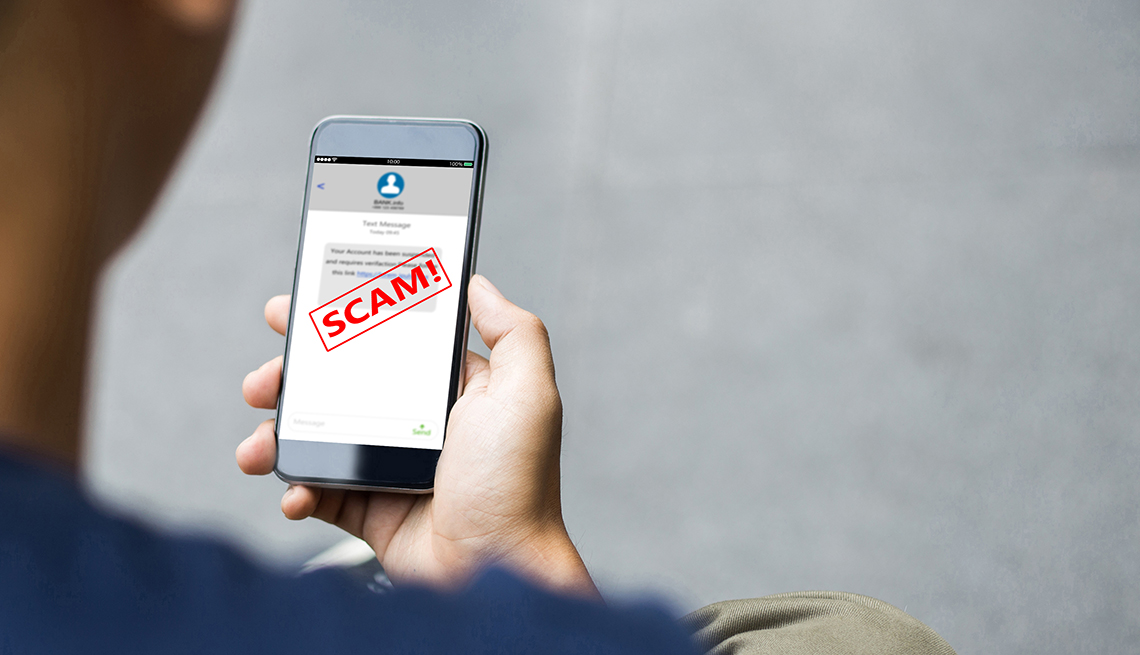
Smishing, a term derived from combining SMS and phishing, refers to a type of cyber attack that utilizes deceptive text messages to trick individuals into divulging sensitive information or performing malicious actions. These messages often impersonate legitimate organizations or entities, creating a sense of urgency or enticing recipients with attractive offers or rewards.
When unsuspecting users click on deceptive links or provide their personal details in response to these messages, they unwittingly fall into the trap set by cybercriminals. This can lead to identity theft, financial loss, or unauthorized access to personal information.
The Danger of Malicious Multimedia a message
Malicious multimedia messages are another significant threat that can compromise the security of your mobile device. These messages often contain harmful attachments or links that, once clicked, can inject malware into your device without your knowledge.
Since multimedia messages can contain various types of files, such as images, videos, or audio recordings, cybercriminals exploit this feature to disguise their malicious intent. Once the malware is installed on your device, hackers can gain unauthorized access to your personal data, manipulate your device, or even use it as a gateway to launch further attacks.
Case Studies: Text Message-based Exploits
Examining real-world examples of text message-based exploits can provide a clearer understanding of the potential risks involved. One infamous case involved a text message disguised as a parcel delivery notification, luring individuals into clicking on a malicious link that led to a malware-infected website.
In another case, cybercriminals impersonated a popular banking institution and sent text messages requesting sensitive account information. Unsuspecting recipients, believing the messages to be legitimate, provided their details, unknowingly allowing hackers to gain access to their funds.
These examples highlight the importance of staying vigilant and cautious when receiving text messages, especially from unknown senders or suspicious sources.
Exploiting Human Psychology
A hacker cannot hack your phone solely by calling you and sending a text message. While text messages can contain malware, both calls and texts can be used for phishing attacks or scams to trick you into giving up sensitive information or downloading viruses or spyware.
The Role Of Social Engineering In Phone Attacks
In the realm of hacking tactics, social engineering plays a crucial role in phone attacks. Hackers understand that humans can be their weakest link, and exploit this vulnerability to gain unauthorized access to devices. By manipulating individuals through psychological tactics, hackers can trick them into divulging sensitive information or taking actions that compromise the security of their phones.
One commonly used method of social engineering in phone attacks is pretexting. Hackers often masquerade as trustworthy individuals or organizations, such as tech support representatives or bank officials, to gain the victim’s trust. They may employ various strategies to create a sense of legitimacy, such as using official-sounding language, providing personal details to gain credibility, or posing urgent situations that require immediate action. By exploiting human psychology and trust, hackers can convince individuals to disclose sensitive information or perform actions that facilitate the hacking process.
How Urgency And Fear Are Utilized In Schemes
Urgency and fear are powerful emotions that hackers leverage to manipulate individuals and facilitate their schemes. They create a sense of panic or anxiety to push victims into taking hasty and ill-considered actions. By employing scare tactics, hackers can make individuals believe that their phone is compromised or that they are at risk of losing valuable information. This triggers a fight-or-flight response, impairing rational judgment and increasing the likelihood of falling victim to the hacker’s ploy.
One tactic used in phone attacks is the creation of urgency. Hackers may craft messages or make phone calls that imply time-sensitive situations, such as impending financial losses or security breaches. They emphasize the need for immediate action, leaving victims little time to think critically or consult trusted sources. Urgency can be further heightened by creating a sense of exclusivity or limited availability, making the victims believe that they are part of a select group facing imminent threats.
Fear is another powerful emotion exploited by hackers. They leverage fear to create a sense of vulnerability, convincing individuals that their personal information is at risk or that their devices have already been compromised. By instilling fear, hackers can bypass critical thinking and exploit the desire for self-preservation. Victims may be more likely to comply with the hacker’s demands out of fear of the consequences that may arise if they do not act swiftly.
To protect yourself from such schemes, it is essential to stay vigilant and keep these psychological tactics in mind. Always verify the authenticity of the messages or calls you receive, especially if they create a sense of urgency or fear. Take the time to research and consult trusted sources before taking any action that may compromise the security of your phone. Remember, being aware of the psychological tactics employed by hackers is the first step towards safeguarding your devices and personal information.
Credit: www.aarp.org
Technical Intrusions Via Communication
A hacker cannot hack your phone just by calling you or sending you a text message. However, they may try to trick you into giving up personal information through phone calls or texts, which can then be used to hack your phone or steal your identity.
The Truth Behind Hacking With A Single Call Or Text
In today’s digitally connected world, where smartphones have become an indispensable part of our lives, concerns about hacking and privacy breaches have become more prevalent than ever. One common question that arises is whether a hacker can gain access to our phones simply by calling or sending a text message. In this article, we will explore the technical intrusions that hackers can employ through communication and understand the techniques they use to compromise our devices.
Techniques Hackers Use With Compromised Messages
Hackers are constantly evolving their methods to exploit vulnerabilities in our smartphones. With compromised messages, they employ techniques that can lead to various consequences, ranging from unauthorized access to sensitive information to downloading malware or spyware onto our devices. Let’s delve into some of the most common techniques used by hackers:
1. Phishing Attacks Via Text Messages
One technique employed by hackers is to send text messages that appear legitimate but are designed to deceive recipients into revealing their personal information. These messages often mimic well-known organizations or appear as urgent alerts, luring users to provide sensitive details such as passwords, social security numbers, or financial credentials.
2. Malware And Viruses Disguised As Attachments
Hackers may send text messages containing attachments that appear harmless, such as images or documents. However, these attachments may harbor malicious software or viruses that, once opened, can compromise our devices. It is crucial to exercise caution and refrain from opening attachments from unknown sources or suspicious messages.
3. Call And Text Interception
Another technique employed by hackers is call and text interception, which involves redirecting or rerouting our communication through unauthorized channels. This technique can allow hackers to eavesdrop on our conversations, intercept sensitive information, or even manipulate the content of our messages.
4. Sim Swapping Attacks
Hackers may also engage in SIM swapping attacks, wherein they impersonate the phone owner and convince the mobile service provider to transfer the victim’s phone number to a new SIM card under their control. Once they have control over the phone number, they can gain access to various accounts linked to it, potentially leading to identity theft or unauthorized transactions.
To protect ourselves from these techniques, it is crucial to follow these best practices:
- Be cautious of unsolicited messages, especially those requesting personal information.
- Avoid clicking on links or opening attachments from unknown sources.
- Regularly update your device’s software and security patches.
- Use strong, unique passwords for all your accounts and enable two-factor authentication whenever possible.
- Monitor your phone bill and data usage for any suspicious activity.
- If you suspect your phone has been compromised, contact your mobile service provider immediately.
By adhering to these practices, you can greatly reduce the risk of falling victim to hacking attempts through phone calls and text messages.
Examining Call-based Hacking Feasibility
Discover the feasibility of call-based hacking techniques and whether hackers can gain access to your phone through phone calls and text messages. Learn how to protect your personal information and avoid falling victim to phishing attacks, scams, and malware.
Myths Around Call-only Hacking
There is a common misconception that hackers can compromise your phone simply by calling you or sending a text message. However, it is important to debunk this myth and understand the actual feasibility of call-based hacking.
Hackers cannot directly hack your phone through phone calls alone. While call-based attacks do exist, they typically involve more complex techniques rather than just a simple phone call or text message. These attacks often rely on exploiting vulnerabilities within the phone’s operating system or applications.
Although receiving a call or text may not directly compromise your phone’s security, it is still crucial to remain cautious and vigilant. Scammers may attempt to deceive you during calls, tricking you into divulging sensitive information or downloading malicious software. It is important to remember that hackers often employ social engineering tactics to gain access to your personal data.
Real-world Incidents And Their Outcomes
Despite the limited feasibility of call-only hacking, there have been real-world incidents where phone users have fallen victim to such attacks. These incidents highlight the importance of being aware of potential risks and taking proactive steps to protect your device.
In one notable case, hackers infiltrated a telecommunications network and exploited vulnerabilities to gain control over users’ devices. By intercepting and redirecting calls and text messages, they were able to manipulate communication channels, access private data, and even initiate unauthorized transactions. This incident underscores the need for robust security measures and regular software updates to safeguard against sophisticated attacks.
Another incident involved scammers spoofing legitimate phone numbers and pretending to be representatives from reputable organizations. These fraudsters employed various social engineering techniques to trick individuals into providing personal information, which they later used for identity theft or unauthorized access to sensitive accounts. This highlights the importance of verifying the identity of callers and exercising caution when sharing personal details over the phone.
It is essential to stay informed about potential risks and maintain a proactive approach to cybersecurity. Regularly updating your device’s software, being cautious about the information you share over the phone, and using strong, unique passwords for your accounts are crucial steps in protecting your phone from potential hacking attempts.
Strengthening Your Phone Against Text Attacks
In today’s digital world, smartphones have become an integral part of our lives. From personal communication to banking and online shopping, we rely heavily on our phones to stay connected and carry out various tasks. However, with the increasing sophistication of hackers and scammers, it is essential to take steps to protect our devices from text attacks, specifically smishing – phishing attacks conducted through text messages. In this section, we will discuss effective strategies to strengthen your phone against text attacks, ensuring the safety of your sensitive information.
Steps To Avoid Falling Victim To Smishing
- Beware of suspicious messages: Be cautious of any unsolicited messages or messages from unknown senders. Avoid clicking on links or providing personal information in response to such messages.
- Double-check before sharing information: Before sharing any sensitive information or verifying account details through text, ensure that the message is legitimate and from a trusted source. This can be done by contacting the organization directly through a verified contact.
- Do not reply to suspicious messages: Responding to smishing messages can confirm the validity of your phone number to scammers. It is best to ignore and delete such messages immediately.
- Keep software and apps up to date: Regularly update your phone’s operating system and applications to benefit from the latest security patches and bug fixes. Outdated software can leave your device vulnerable to attacks.
- Enable two-factor authentication: Enable two-factor authentication for all relevant accounts to add an extra layer of security. This means that even if someone manages to obtain your login credentials, they will still need another verification step to access your account.
- Educate yourself about common smishing techniques: Stay informed about the latest smishing techniques used by hackers. By being aware of common red flags, such as grammatical errors or urgent demands, you can easily identify potential smishing attempts.
Software And Settings For Increased Message Security
To enhance the security of your text messages and protect your device from potential hackers, consider implementing the following software and settings:
- Install a reputable anti-malware app: Utilize trusted, up-to-date anti-malware software on your phone to detect and remove potential threats.
- Disable message previews: By disabling message previews in your phone’s settings, you prevent potential attackers from viewing your messages without authentication.
- Use end-to-end encryption: Opt for messaging apps that offer end-to-end encryption to ensure that your messages remain private and secure from interception.
- Block unknown or suspicious numbers: Prevent unwanted messages from reaching your inbox by setting your phone to automatically block unknown or suspicious numbers.
- Regularly review app permissions: Check and review the permissions granted to messaging apps on your phone. Disable unnecessary permissions that might compromise your privacy.
By implementing the above steps and utilizing appropriate software and settings, you can significantly strengthen your phone against text attacks and minimize the risk of falling victim to smishing.
Building A Defense Against Call Vulnerabilities
Protecting yourself against call vulnerabilities is crucial in preventing hackers from gaining access to your phone. While it is unlikely for a hacker to directly hack your phone through phone calls, they can use text messages to launch phishing attacks and trick you into giving away sensitive information or downloading malware.
Stay vigilant and ensure your phone’s security to prevent such situations.
Best Practices For Call Screening And Call Management
Hackers are constantly devising new ways to exploit vulnerabilities in our smartphones. While the idea of a hacker gaining access to our personal information through a simple phone call may sound far-fetched, it is not impossible. In this digital age, it is crucial to build a strong defense against call vulnerabilities to protect our mobile devices from potential threats.
One of the best ways to enhance your phone’s security is by implementing effective call screening and call management practices. By being cautious and following these best practices, you can significantly reduce the risk of falling victim to phone-based hacking attempts:
- Always verify the caller’s identity: Never assume that the person calling you is who they claim to be. Hackers often impersonate legitimate organizations or individuals to gain your trust. Always verify the caller’s identity by asking probing questions or contacting the organization directly to ensure the legitimacy of the call.
- Do not share personal information over the phone: Legitimate organizations will never ask for sensitive information, such as your social security number or banking details, over the phone. If a caller requests such information, it is a red flag and a potential hacking attempt. Refrain from sharing any personal information during phone conversations.
- Use call-blocking and caller ID services: Take advantage of call-blocking and caller ID services provided by your phone carrier or third-party apps. These services can help identify and block suspicious or unknown callers, offering an additional layer of protection against potential hacking attempts.
Importance Of Continuous Security Awareness And Education
Building a strong defense against call vulnerabilities goes beyond implementing call screening and management practices. It requires continuous security awareness and education to stay ahead of evolving hacking techniques. By staying informed and educating yourself about the latest hacking trends, you can better protect your phone from potential threats. Here are some essential steps to ensure continuous security awareness:
- Stay updated on security news: Regularly read reliable sources of information such as security blogs, technology news websites, and official announcements from phone manufacturers and software developers. This will keep you informed about emerging threats and security updates that can safeguard your device.
- Attend security webinars and workshops: Take advantage of online security webinars and workshops that provide valuable insights into phone security. These resources often share practical tips and techniques to secure your device effectively.
- Follow reputable security experts on social media: Many renowned security experts regularly share valuable tips and insights through their social media channels. By following them, you can stay updated on the latest security practices and potential threats.
Frequently Asked Questions
What Do You Dial To See If Your Phone Is Hacked?
To see if your phone is hacked, there is no specific dialing code. Look out for unusual data usage, frequent pop-ups, unknown apps, unrecognized outgoing calls, or quick battery drainage as signs of potential hacking.
Can My Iphone Be Hacked By Answering A Call?
No, your iPhone cannot be hacked by simply answering a call. However, scammers might call and try to deceive you into revealing personal information, which they could use to hack your phone or steal your identity. Be cautious and avoid giving out sensitive details over the phone.
Can You Tell If Someone Has Access To Your Phone?
You can tell if someone has access to your phone if you notice unusual data usage, unexpected pop-ups, new apps you didn’t download, unrecognized outgoing calls, or your battery draining quickly. These can be signs of spy apps or hacking attempts.
Stay vigilant and monitor your phone’s activity.
Can You Tell If Your Phone Is Hacked?
You can tell if your phone is hacked if you notice high data usage, pop-ups, new apps you didn’t download, unrecognized outgoing calls, or quick battery drainage.
Conclusion
To conclude, while phone calls may not be the direct source of phone hacks, text messages can potentially contain malware. Both calls and texts can be used for phishing attacks or scams, leading to the compromise of sensitive information or the downloading of viruses.
It’s important to remain vigilant and exercise caution when interacting with phone calls or text messages from unknown sources. Protecting your personal information and regularly monitoring your phone’s activity can help ensure the security of your device.