

Hackers gain access to phones and steal photos through methods such as advanced security breaches, listening in on unsecured internet connections, physical theft, and brute force hacking. This can happen to all types of phones, including Androids and iPhones.
These stolen photos can be used for various purposes, such as selling them on the dark web to other criminals or using them for illegal activities.
How Hackers Compromise Phone Security?
Phone hacking has become a widespread concern in today’s digital age. Hackers are constantly finding new ways to gain unauthorized access to phones and steal personal information, including photos. Understanding how these hackers compromise phone security is crucial in protecting ourselves from potential attacks. In this article, we will explore some common techniques that hackers use to infiltrate phones and the measures we can take to mitigate the risks.
Common Techniques Used To Hack Phones
Hackers employ various strategies to breach phone security, aiming to gain access to personal information and steal valuable data. Here are some common techniques they use:
MALWARE AND PHISHING ATTACKS
Malware and phishing attacks are among the most prevalent methods used by hackers. They trick unsuspecting users into downloading malicious software or entering sensitive information, such as passwords or credit card details, through deceptive emails, text messages, or fake websites.
EXPLOITING SOFTWARE VULNERABILITIES
Hackers exploit vulnerabilities in the phone’s software to gain access and control. They target weaknesses in operating systems, applications, or even firmware and take advantage of these loopholes to infiltrate the device.
SIM SWAPPING AND SOCIAL ENGINEERING
Sim swapping is a technique where hackers convince the mobile service provider to transfer a victim’s phone number to a new SIM card under their control. This allows them to intercept calls, messages, and other important data. Social engineering, on the other hand, involves manipulating individuals into revealing sensitive information, such as passwords or authentication codes, through psychological tactics or impersonation.
IDENTIFYING AND EXPLOITING WEAK POINTS
Hackers are skilled at identifying weak points in phone security systems. They analyze the phone’s architecture, software, and user behavior to find vulnerabilities that can be exploited to gain unauthorized access.
Unsecured Wi-fi Networks
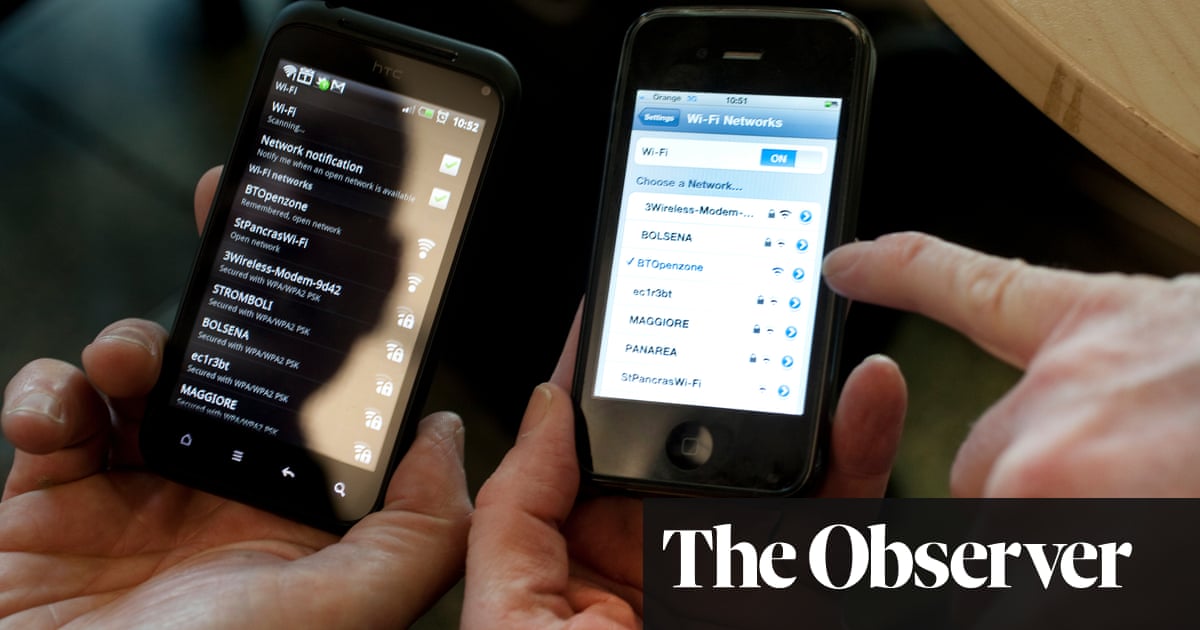
One common weak point hackers exploit is unsecured Wi-Fi networks. Public Wi-Fi networks, especially those without password protection or encryption, are easy targets for hackers. By intercepting the internet traffic on these networks, they can gain access to the connected devices, including phones, and potentially steal photos or other sensitive information.
Outdated Operating Systems
Using outdated operating systems is another risk factor for phone security. Hackers constantly search for vulnerabilities in older software versions that have not been patched or updated. By exploiting these vulnerabilities, they can gain access to the user’s phone and compromise its security.
Poor Password management & Practices
Common Bad Password practices also make phones vulnerable to hacking attempts. Using weak or easily guessable passwords, reusing passwords across multiple accounts, or not enabling additional security measures like two-factor authentication all increase the risk of unauthorized access and data theft.
Being aware of the common techniques hackers use to compromise phone security is the first step in protecting our devices and personal information. By implementing strong security measures, such as regularly updating software, using complex passwords, and being cautious when connecting to public Wi-Fi networks, we can significantly reduce the risk of falling victim to phone hacking.
Methods To Steal Photos From Phones
In today’s digital age, the security of our smartphones has become more important than ever. Unfortunately, hackers are always on the lookout for vulnerabilities in our devices, and one of the valuable things they seek to gain access to is our personal photos. In this article, we will explore some of the methods that hackers use to steal photos from phones, and what you can do to protect your precious memories.
1. Direct Unauthorized Access
One of the most straightforward methods that hackers employ to steal photos is through direct unauthorized access to your phone. By exploiting security vulnerabilities or bypassing authentication measures, they gain unrestricted access to your device and all the data stored on it, including your photos. This method is particularly alarming as it allows hackers to copy and transfer your photos without your knowledge or consent.
2. Hacking Cloud Storage Services
Many users rely on cloud storage services to backup and store their photos securely. However, hackers have found ways to exploit weaknesses in these services to gain unauthorized access to users’ photos. By breaking into the cloud storage provider’s infrastructure or leveraging stolen credentials, they can bypass encryption and retrieve your photos from the cloud. It is crucial to choose a reputable and secure cloud storage provider, enable two-factor authentication, and regularly update your login credentials to mitigate the risk of this type of attack.
3. Intercepting Data During Transmission
When you send or receive photos through messaging apps or email, they are vulnerable to interception by hackers. By using techniques like man-in-the-middle attacks or exploiting unsecured Wi-Fi networks, hackers can eavesdrop on the data transmission and capture your photos in transit. To guard against this, make sure to only send sensitive photos through encrypted and secure channels, such as end-to-end encrypted messaging apps, and avoid using public Wi-Fi networks for transferring personal photos.
4. Indirect Exfiltration Methods
Hackers may employ indirect methods to steal your photos, such as targeting weaknesses in other apps or services installed on your phone. For example, if you have a compromised app on your device that has permission to access your photos, hackers can exploit that app to gain access to your photo gallery. It’s important to regularly review the permissions granted to apps and only install applications from trusted sources to minimize the risk of indirect exfiltration of your photos.
5. Malicious Third-party Applications
Another method hackers use to steal photos is by disguising their malicious software as seemingly harmless third-party applications. Once installed on your phone, these apps can gain unauthorized access to your photo gallery and silently transfer your photos to remote servers controlled by the hackers. To protect yourself, be cautious when downloading apps from unknown sources, rely on official app stores, and read reviews and permissions carefully before installing any application.
6. Remote Access Trojans (rats) And Spyware
Remote access Trojans (RATs) and spyware are malicious programs that hackers can use to gain complete control over your phone. Once installed, these programs can secretly monitor your activities, including accessing and stealing your photos. They can be hidden within seemingly harmless files, applications, or links, making it crucial to be vigilant when interacting with unknown sources on your phone. Regularly scanning your device for malware and keeping your operating system updated can help prevent these types of attacks.
How Do Hackers Gain Access To Phones?
Hackers gain access to phones and steal photos through various methods, such as advanced security breaches, hacking into unsecured internet connections, or physical theft of the phone. They may then sell stolen data on the dark web or use it for their own criminal purposes.
It’s important to protect your personal information to prevent such hacking incidents.
Phones have become an integral part of our lives, containing a treasure trove of personal information such as photos, messages, and sensitive data. Unfortunately, these devices have also become prime targets for hackers. So, how do hackers gain access to phones and compromise our privacy? Let’s explore the stages of unauthorized phone access.
Stages Of Unauthorized Phone Access
- Initial infiltration: Hackers employ various methods to gain initial access to a phone. This can include exploiting security vulnerabilities in the operating system or apps, taking advantage of unsecured internet connections, or even physical theft.
- Gaining and maintaining access: Once inside a phone, hackers aim to gain and maintain access for extended periods. They may employ keylogging and screen capturing techniques to gather passwords and monitor activities without detection.
- Covering tracks: To avoid detection, hackers cover their tracks by removing any traces of their presence. They delete logs, clear browsing history, and dispose of any evidence that could lead back to them.
Tools And Techniques Hackers Use
Now that we understand the stages of unauthorized phone access, let’s take a closer look at the tools and techniques hackers utilize to breach our device security.
Keylogging and Screen Capturing
Keyloggers and screen capturing software enable hackers to record every keystroke and capture screenshots without the user’s knowledge. These tools help them record sensitive information such as passwords, credit card details, and private messages, allowing them to gain unauthorized access to various accounts.
Exploiting Security Flaws in Apps
Hackers often exploit security flaws present in apps installed on your phone. These vulnerabilities could allow them to bypass authentication measures or inject malicious code, enabling them to gain control over your device. It’s crucial to keep your apps updated to prevent such exploits.
By understanding the techniques hackers employ to gain access to phones, we can take proactive steps to protect our devices and personal information. Stay vigilant, keep your software up to date, and ensure you have robust security measures in place to safeguard against unauthorized access.
Credit: www.theguardian.com
How To Prevent Photo Theft From Phones?
Our phones have become repositories of our most precious memories, with countless photos capturing our special moments. However, these photos are not immune to the prying eyes of hackers. In this digital age, it is crucial to take proactive measures to safeguard our personal photos from theft. By implementing the following strategies, you can significantly reduce the risk of hackers gaining access to your phone and stealing your cherished photos.
Proactive Measures To Protect Personal Photos
When it comes to safeguarding your personal photos, prevention is key. Take these proactive measures to significantly reduce the risk of photo theft:
- Regular software updates and patches: Ensure that your phone’s operating system and apps are always up to date. Software updates often include security patches that address vulnerabilities and protect against potential hacking attempts.
- Strong authentication methods: One of the most effective ways to secure your phone is by setting up strong authentication methods. This could include using biometrics such as fingerprint or facial recognition, as well as creating a strong password or PIN.
Reactive Steps If A Phone Is Compromised
If you suspect that your phone has been compromised or your photos have been stolen, it is crucial to take immediate action. Follow these reactive steps to minimize the potential damage:
- Change passwords and PINs: Start by changing all passwords and PINs associated with your phone, including your lock screen password and accounts linked to your device.
- Contact your service provider: Reach out to your phone service provider and inform them about the breach. They can guide you on additional measures to take and assist in protecting your accounts.
Immediate Actions To Take
If you believe your phone has been compromised, take these immediate actions to prevent further unauthorized access:
- Enable remote tracking and wiping: Activate the remote tracking and wiping feature on your phone. This allows you to locate your device remotely and erase all data to prevent any sensitive information from falling into the wrong hands.
- Report the incident to the authorities: It is important to report the hacking incident to local authorities and provide them with all the necessary details. This can help in potential investigations and prosecution of the hackers.
Securing Accounts Post-breach
After a phone breach, it is crucial to secure your accounts to prevent any further unauthorized access. Take these steps to protect your accounts:
- Change passwords for all accounts: Immediately change passwords for all your online accounts, including email, social media, and cloud storage. Use strong and unique passwords for each account.
- Enable two-factor authentication: Implement two-factor authentication for all your accounts, if available. This adds an extra layer of security by requiring a verification code in addition to a password.
By following these proactive and reactive measures, you can significantly reduce the risk of hackers gaining access to your phone and stealing your valuable photos. Remember, prevention is always better than cure when it comes to securing your digital assets.
Enhancing Phone Security And Privacy
Hackers can gain access to phones and steal photos through various methods, from advanced security breaches to exploiting unsecured internet connections. They can also physically steal your phone and use brute force to hack into it. This can happen to both Android and iPhone devices.
Protecting your phone’s security is crucial to safeguard your privacy.
As hackers become more sophisticated, it is crucial to take the necessary steps to enhance the security and privacy of our phones. In this digital age, protecting our personal information and sensitive data is of utmost importance. To strengthen your phone’s security, here are some effective methods you can implement:
Importance Of Encryption For Photo Storage
Encrypting your photos is a crucial step in securing them from potential hackers. Encryption ensures that your photos are scrambled and can only be accessed with a decryption key or password. By encrypting your photo storage, even if hackers manage to gain access to your phone, they won’t be able to decipher and steal your photos easily.
Here’s why encryption is essential for photo storage on your phone:
- Prevents unauthorized access: Encrypted photos cannot be viewed without the encryption key, acting as an additional layer of security.
- Protects against data breaches: If your phone is lost or stolen, encrypted photos will be extremely difficult for hackers to retrieve.
- Adds an extra level of privacy: With encryption, you have peace of mind knowing that your personal photos are secure and inaccessible to prying eyes.
Using Trusted Security Applications
With the increasing number of security breaches and hacking attempts, it is crucial to rely on trusted security applications to safeguard your phone. These applications provide advanced protection and offer features such as:
- Malware detection and removal: Trusted security apps continuously scan your phone for malware and other malicious software, ensuring the safety of your device.
- Secure browsing and phishing protection: These apps protect you from visiting suspicious websites and warn you about potential phishing attempts.
- App permission monitoring: Security apps keep an eye on the permissions requested by various apps, preventing unauthorized access to your sensitive data.
By installing and regularly updating trusted security applications, you can significantly reduce the chances of unauthorized access to your phone and the theft of your photos.
Educating About Social Engineering Tactics
| Tactic | Description |
|---|---|
| Phishing | Hackers use deceptive emails, messages, or websites to trick users into revealing sensitive information or downloading malware. |
| Impersonation | Hackers pose as someone else, such as a friend, family member, or trusted organization, to deceive users and gain their trust. |
| Shoulder surfing | Hackers physically observe users entering passwords or access codes to gain unauthorized access to their phones. |
Educating yourself and others about these social engineering tactics is crucial in preventing unauthorized access to your phone and the theft of your photos. By being aware and cautious, you can avoid falling victim to these manipulative tactics.
Enhancing phone security and privacy is an ongoing process that requires a combination of preventive measures. By implementing encryption for photo storage, using trusted security applications, and being knowledgeable about social engineering tactics, you can significantly reduce the risk of hackers gaining access to your phone and stealing your photos.
Frequently Asked Questions
How Do Hackers Get Access To Your Cell Phone?
Hackers can gain access to your cell phone through advanced security breaches, listening in on unsecured internet connections, physical theft, or forcibly hacking into it. This can happen to both Android and iPhone devices.
What Do Hackers Do With Stolen Photos?
Hackers can use stolen photos for various purposes, such as selling them on the dark web to other criminals or using them for their own criminal activities.
What Are The 2 Possible Signs That You Have Been Hacked?
Two possible signs that you have been hacked are:
1. Unwanted messages being sent from your email account.
2. Passwords being changed without your knowledge.
Can You Check To See If Your Phone Is Hacked?
Yes, you can check if your phone is hacked by looking for disabled security features or unusual charges on your phone bill.
Conclusion
To summarize, hackers have various methods to gain access to phones and steal photos. They can employ advanced security breaches, eavesdrop on unsecured internet connections, or physically steal the phone and use hacking techniques like brute force. Once hackers have access to stolen data, they often sell it on the dark web to other criminals.
It’s important to be vigilant and protect your phone’s security features to prevent hacking.