
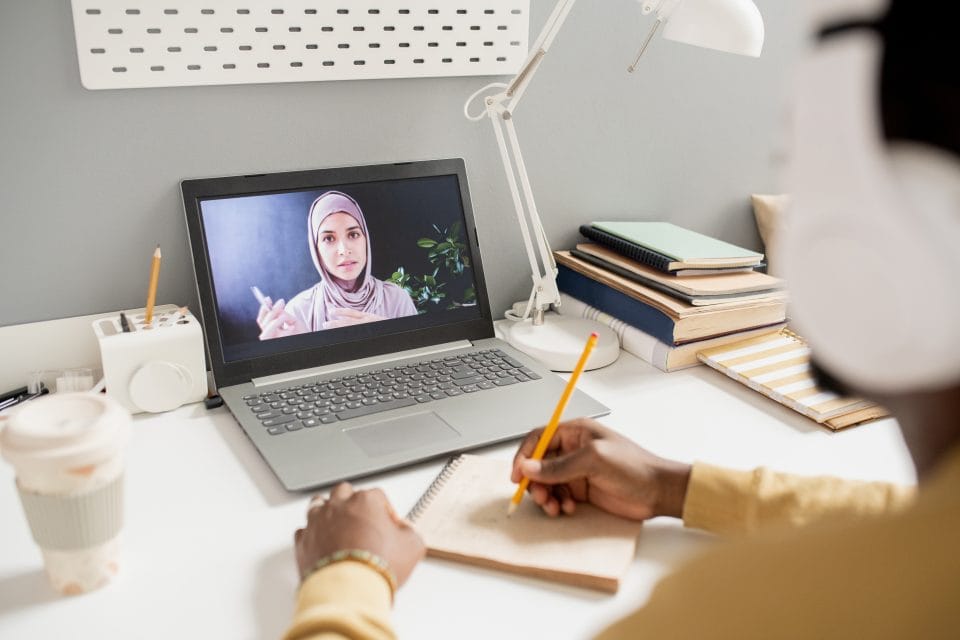

Online education cannot fully replace offline education due to the lack of hands-on experiences and direct social interactions. Offline settings foster a deeper connection and collaborative learning.
Online education has surged in popularity, offering flexibility and accessibility. Despite its benefits, it lacks the tangible experiences that traditional classrooms provide. In-person education allows students to engage in hands-on activities, fostering practical skills and deeper understanding. Direct social interactions in offline settings nurture communication skills and teamwork.
Classroom environments also offer immediate feedback and mentorship, which are crucial for personal development. While online education serves as a valuable supplement, it cannot replicate the holistic learning experience of offline education. Combining both methods can create a balanced and effective educational approach.
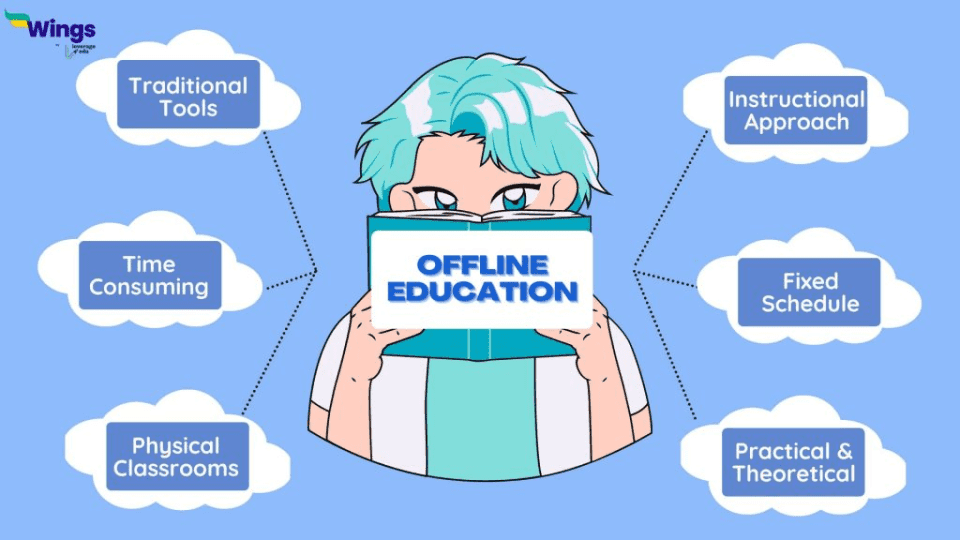
The Essence Of In-person Interaction
While online education offers convenience, it cannot fully replace offline education. The essence of in-person interaction is crucial for a complete learning experience. Physical classrooms offer unique benefits that virtual environments lack.
Body Language In Learning
Body language plays a vital role in understanding lessons. Teachers can gauge student engagement through facial expressions and gestures. Students can also read the teacher’s enthusiasm and intent. This non-verbal communication enhances comprehension.
In a classroom, students learn social cues from their peers. They can see how others react and interact. This helps them develop better social skills and emotional intelligence.
The Power Of Physical Presence
Physical presence creates a sense of community. Students feel a stronger bond with teachers and classmates. This fosters collaboration and teamwork. Physical presence also makes group activities and projects more effective.
In-person interaction allows for immediate feedback. Teachers can quickly address student queries and provide instant support. This real-time assistance is invaluable for clarifying doubts and reinforcing concepts.
| Aspect | In-Person Interaction | Online Education |
|---|---|---|
| Body Language | Visible and influential | Limited or non-existent |
| Physical Presence | Creates community | Less personal |
| Immediate Feedback | Instant and direct | Often delayed |
In-person education allows for hands-on experiences. Students can engage in lab work, art projects, and physical activities. These experiences are difficult to replicate online.
In summary, the essence of in-person interaction is irreplaceable. Body language and physical presence create a richer learning environment. These elements highlight the limits of online education.
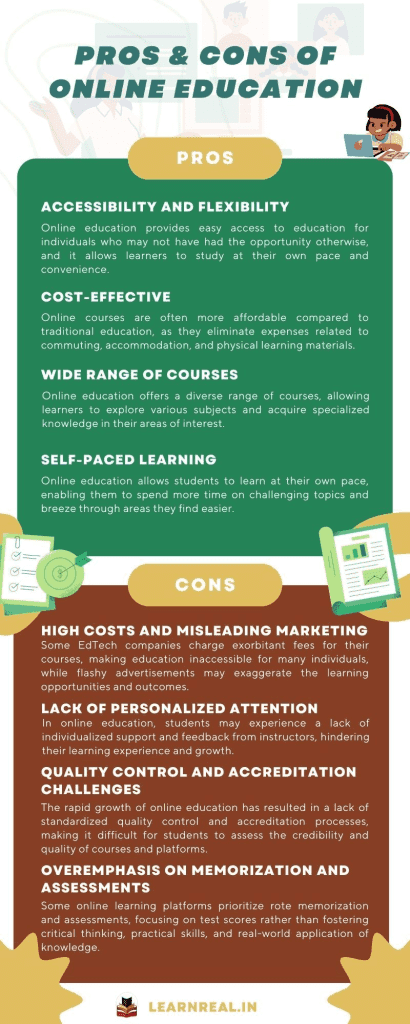
Challenges In Building Online Communities
Online education offers flexibility and convenience. Yet, it struggles to replicate the sense of community found in offline settings. Building strong online communities is challenging. Here are some reasons why.
Lack Of Spontaneous Engagement
Online classes miss out on spontaneous interactions. Students can’t chat casually before or after class. These small conversations help build friendships. In a physical classroom, spontaneous questions and discussions are common. They enhance learning and community feeling.
In an online environment, everything is scheduled. Students often feel isolated. They interact mainly during planned sessions. This limits natural, unplanned interactions. Spontaneous engagement fosters a sense of belonging. Without it, building a close-knit community is difficult.
Difficulties In Establishing Trust
Trust is crucial for any community. It is harder to build trust online. In face-to-face settings, body language and eye contact help. These are limited in virtual environments. Online, students and teachers often communicate through text or video. Non-verbal cues are missing. This makes it hard to gauge sincerity and build trust.
Physical presence also adds a layer of accountability. Knowing that you will see your teacher or classmates again can influence behavior positively. This accountability is reduced online. As a result, establishing trust takes longer.
| Challenges | Offline Education | Online Education |
|---|---|---|
| Spontaneous Engagement | High | Low |
| Trust Building | Easier | Harder |
Building a strong online community involves overcoming these challenges. Both students and educators need to adapt and find new ways to connect.
Practical Learning And Hands-on Experience
Practical learning and hands-on experience are critical aspects of education. These methods involve active participation and real-world application. They provide students with the skills needed for their future careers. Online education often struggles to replicate these experiences.
Limitations Of Virtual Labs
Virtual labs offer simulated experiments. But they cannot fully replace physical labs. They lack the tactile feedback and real-world variability. Students miss out on handling actual equipment.
Virtual labs often have technical limitations. There might be software glitches or inadequate simulations. These issues hinder effective learning.
| Virtual Labs | Physical Labs |
|---|---|
| Simulated environment | Real environment |
| No tactile feedback | Tactile feedback |
| Limited variability | Real-world variability |
| Software-dependent | Equipment-dependent |
The Importance Of Real-world Practice
Real-world practice is essential for skill development. It allows students to apply their knowledge in real scenarios. This practice builds confidence and competence.
- Hands-on experience
- Improved problem-solving skills
- Better understanding of concepts
Fields like medicine and engineering require real-world practice. Students need to interact with actual patients or work on real projects. This interaction is crucial for their professional growth.
Social And Emotional Learning
Online education offers flexibility and convenience. Yet, it cannot fully replace offline education. Social and emotional learning is a key area where offline education excels. Social interactions and emotional growth are crucial for students. These skills are hard to develop in an online setting.
Developing Empathy And Social Skills
Empathy is understanding how others feel. Offline classes allow students to see and feel emotions. They learn by observing facial expressions and body language. This helps them understand others better.
In offline settings, students engage in group activities. They learn to share, cooperate, and resolve conflicts. These experiences help develop strong social skills. Online education lacks this face-to-face interaction. This makes it harder for kids to practice empathy and social skills.
The Role Of Face-to-face Interaction
Face-to-face interaction plays a big role in learning. Teachers can give immediate feedback. Students can ask questions and get answers right away. This interaction builds trust and a sense of community.
In a classroom, students can work on projects together. They learn to communicate and collaborate. These skills are vital for their future careers. Online classes miss out on these benefits.
Offline education also helps in building friendships. Students spend time together during breaks and after school. These bonds are important for emotional support and personal growth.
Frequently Asked Questions
Can Online Education Replace Offline?
Online education offers flexibility and accessibility but can’t fully replace offline education. Each has unique benefits. Offline education provides hands-on experience and social interaction. Combining both can offer a balanced approach.
Why Can’t Online Learning Replace Classroom Learning?
Online learning lacks face-to-face interaction, hands-on experiences, and social skills development. Classroom settings offer immediate feedback and stronger engagement.
Why Is Offline Education Better Than Online Education?
Offline education offers direct interaction with teachers, fostering better engagement. It provides structured environments and encourages social skills development. Hands-on activities and immediate feedback enhance learning experiences.
Why Is Online Learning Not The Future Of Education?
Online learning lacks face-to-face interaction, practical experiences, and social development. Limited access to technology widens the education gap.
Conclusion
While online education offers flexibility and convenience, it cannot fully replace the traditional classroom experience. Human interaction, hands-on learning, and real-time feedback remain vital components of effective education. A hybrid approach, combining both online and offline methods, may provide the best educational outcomes for students.