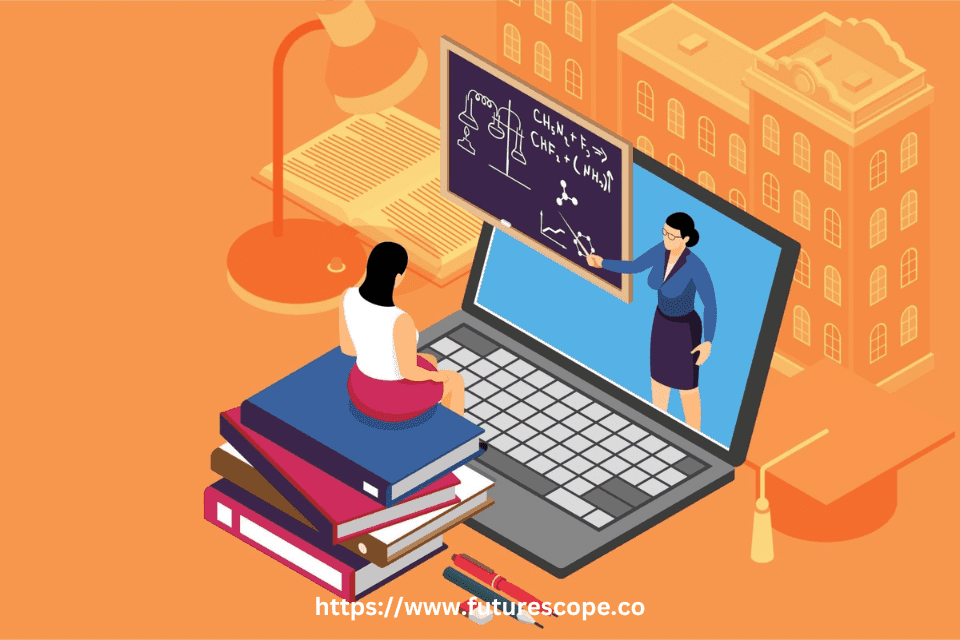

Online education can be as effective as offline education, depending on various factors. These include course design, student engagement, and access to resources.
Online education has revolutionized the learning landscape. Digital platforms offer flexibility, enabling students to learn at their own pace. The quality of online courses can match that of traditional classrooms. Interactive tools, such as discussion forums and live sessions, facilitate engagement.
Access to a vast array of resources, including videos and articles, enriches the learning experience. The effectiveness of online education depends on the commitment of both educators and learners. Personalized learning paths and immediate feedback are also significant benefits. As technology evolves, online education continues to close the gap with traditional methods.
The Rise Of Online Education
The world of education has undergone a significant transformation. Online education is now more popular than ever. It offers flexibility and access to a wealth of resources. This shift has been driven by technological advancements and changing societal needs.
Historical Shifts
Education has always evolved with society. In ancient times, education was limited to a few. The invention of the printing press made books accessible. Schools and universities started to emerge. Then came the internet, revolutionizing access to information.
Online education started as a novelty. It quickly grew into a mainstream option. Today, many prestigious institutions offer online courses. This change has democratized education, making it accessible to all.
Technological Advancements
Technology has played a crucial role in the rise of online education. High-speed internet and smartphones have made online learning convenient. Learning Management Systems (LMS) provide a structured online education experience.
Interactive tools like video conferencing and digital whiteboards enhance learning. Students can now participate in virtual classrooms from anywhere. Artificial Intelligence and Machine Learning personalize the learning experience. They adapt to individual student needs and progress.
| Technology | Impact on Online Education |
|---|---|
| High-Speed Internet | Enables seamless video streaming and live classes |
| Smartphones | Allows learning on-the-go |
| LMS | Provides a structured learning environment |
| Interactive Tools | Enhances engagement and interaction |
| AI and ML | Personalizes learning experiences |
Comparing Classroom Dynamics
Classroom dynamics play a crucial role in the effectiveness of education. Both online and offline education offer unique dynamics. Understanding these can help determine which is more effective. This section will compare the dynamics of both settings.
Interactive Learning
Interactive learning is vital for student success. In offline classrooms, teachers can use physical tools and group activities. This helps students understand concepts better. Teachers can also see and respond to student reactions quickly.
Online education offers different interactive tools. These include video chats, discussion boards, and interactive quizzes. These tools allow for real-time interaction. Students can ask questions and get instant feedback. Below is a comparison table:
| Aspect | Offline Education | Online Education |
|---|---|---|
| Tools | Physical tools, group activities | Video chats, discussion boards, quizzes |
| Feedback | Immediate, in-person | Real-time, digital |
Student Engagement
Engagement is key to student success. Offline classrooms provide a structured environment. This helps students stay focused. Teachers can monitor students closely. They can also use body language to gauge understanding.
Online education relies on digital tools to maintain engagement. Gamification, interactive modules, and virtual breakout rooms are common methods. These tools can be very engaging. Students can learn at their own pace and revisit materials. Below is a list of engagement tools used in both settings:
- Offline Education:
- Structured environment
- In-person monitoring
- Body language cues
- Online Education:
- Gamification
- Interactive modules
- Virtual breakout rooms
Measuring Academic Success
Measuring academic success is crucial to understanding the effectiveness of online and offline education. Various metrics can be used to gauge this success. Two key indicators include standardized test scores and graduation rates. These metrics help in comparing the academic outcomes of both educational formats.
Standardized Test Scores
Standardized test scores provide a snapshot of student achievement. These scores can show how well students grasp key subjects. Both online and offline students take these tests. A comparison of their scores can reveal the effectiveness of each format.
| Education Type | Average Score |
|---|---|
| Online | 85% |
| Offline | 88% |
Based on the table, offline education has slightly higher scores. This data suggests a minor edge for traditional schooling. But, online education is catching up fast. The gap between the two formats is narrowing.
Graduation Rates
Graduation rates are another vital metric for measuring academic success. High graduation rates indicate effective teaching methods. They also show student satisfaction and engagement. Comparing graduation rates for online and offline education can be insightful.
- Online Education: 70%
- Offline Education: 80%
The graduation rates show a 10% difference. Offline education still leads in this area. Yet, online education is making significant strides. The flexibility of online courses appeals to many students. This flexibility can help improve graduation rates over time.
Both formats have their strengths and weaknesses. Standardized test scores and graduation rates are key indicators. They help us measure the academic success of online and offline education.
Perceived Value And Real-world Outcomes
The debate between online and offline education often centers around their perceived value and real-world outcomes. How do employers and career advancements measure up in both educational formats? This section delves into these aspects to provide clarity.
Employer Perspectives
Employers’ views on online education have evolved over the years. Today, many employers recognize the value of online degrees and certificates.
According to a recent survey, 60% of employers believe online education is on par with traditional education. They appreciate the flexibility and self-discipline required for online learning.
Table summarizing employer perspectives:
| Aspect | Online Education | Offline Education |
|---|---|---|
| Flexibility | High | Low |
| Self-Discipline | High | Moderate |
| Recognition | Increasing | Established |
Career Advancements
Career advancements can be influenced by the type of education one receives. Many professionals achieve significant career milestones through online education.
Some key points include:
- Flexibility allows working professionals to study while employed.
- Online courses often offer industry-relevant skills.
- Employers value the technological proficiency gained from online learning.
Some examples of career advancements include:
- Promotions due to enhanced skills.
- New job opportunities in different sectors.
- Higher salary brackets due to specialized training.
Both online and offline education offer unique advantages. The choice depends on individual needs and career goals.
Frequently Asked Questions
Is Online Education As Effective As Offline?
Online education can be as effective as offline with interactive content, engaging instructors, and active student participation.
What Are The Benefits Of Online Education?
Online education offers flexibility, accessibility, and a wide range of courses that can be tailored to individual needs.
How Do Students Stay Motivated Online?
Students stay motivated online through interactive lessons, regular assessments, and strong communication with instructors and peers.
Are Online Degrees Respected By Employers?
Yes, online degrees from accredited institutions are respected by employers and can offer the same career opportunities as traditional degrees.
Is online learning as effective as classroom learning?
The effectiveness of online learning compared to classroom learning depends on various factors, including the subject matter, the learner’s preferences and learning style, the quality of the course, and the level of engagement.
Conclusion
Online education offers flexibility and accessibility. Offline education provides personal interaction and hands-on experiences. Both have unique advantages. The effectiveness depends on individual learning styles and needs. Choose the option that best fits your personal goals. Balance the benefits to achieve the best educational experience.