


The Mac versus PC debate stirs passion, particularly in online gaming. Each has its fervent advocates; however, objectively weighing up their perks and shortcomings is crucial for gamers to make an informed choice. Aspects such as hardware, software, performance, and game availability vary widely between the two systems. We delve into these crucial aspects to assist in striking a balance for seasoned gamers and novices stepping into this world.
Hardware Considerations
In online gaming, hardware can make or break the experience. Here, the PC offers distinctive hardware advantages:
- Performance. PCs often have a wider variety of high-end gaming components. Gamers seeking top-tier performance typically gravitate toward custom-built computers.
- Upgradability. PCs allow more straightforward hardware upgrades. This flexibility ensures a longer device lifespan and meets evolving gaming requirements.
- Graphics. While Macs are renowned for their visual appeal in design tasks, PCs often have superior dedicated graphics cards, vital for intensive gaming.
- Price. PCs provide a broader range of pricing options. From budget-friendly to high-end, a PC suits various needs.
- Ports & Expansion. PCs offer more ports and expansion opportunities, permitting the addition of gaming peripherals or extra storage with ease.
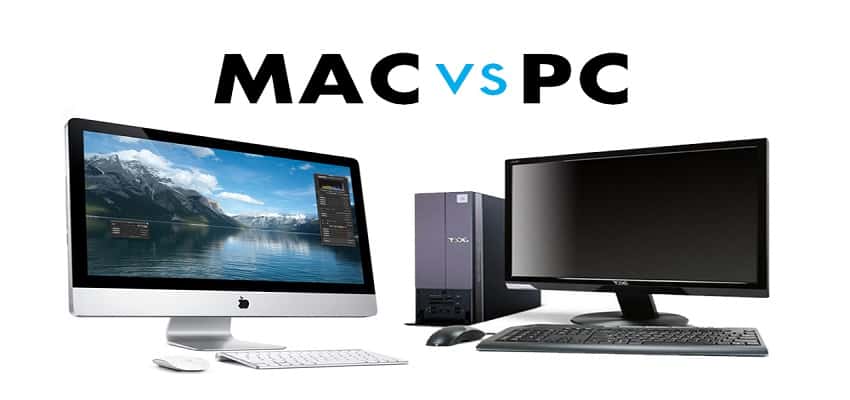
While Macs are undoubtedly robust and stylish machines, PCs often have an edge in gaming due to their diverse range and customizability whether playing video poker real money or MMOs like World of Warcraft, a PC’s superior performance capabilities tend to outshine Macs.
Cost Implications
Cost is a pivotal factor when choosing between a Mac and a PC for gaming. Personal computers have an expansive price range, catering to budget-conscious gamers and those willing to invest in high-end rigs. With the ability to custom-build, one can start modestly and upgrade components gradually, spreading out expenses.
Macs, renowned for their premium build and design, come at a heftier price tag. The entry-level cost for a Mac capable of handling contemporary games is typically higher than its PC counterpart. While they offer longevity and value in other areas, such as video editing or graphic design, gaming might not justify the initial expenditure for some.
Weighing up cost implications, it’s evident that PCs offer more flexibility and options for various budgets. Macs demand a higher initial outlay but may balance out over time due to their robustness. Deciding which to opt for should be based on one’s budget, gaming intensity, and potential long-term considerations.
Gaming Software Availability
Regarding the sheer volume of available games, PCs traditionally have the upper hand. The Windows platform is favored by developers, resulting in a vast game library. Moreover, platforms like Steam, Epic Games Store, and Origin primarily cater to the PC audience, further expanding the selection.
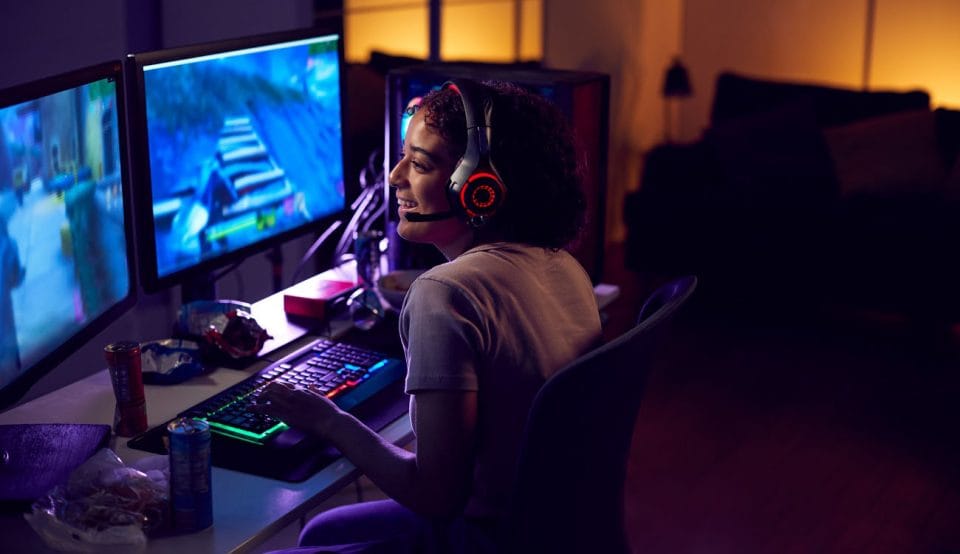
Macs, in contrast, have historically lagged. While the situation is improving, with more developers releasing Mac-compatible versions, the discrepancy remains evident. The Mac App Store does provide gaming options, but its range is comparatively limited.
However, initiatives like Apple’s Metal graphics technology are bridging the gap, enhancing the Mac experience. Similarly, tools like Boot Camp allow Mac users to run Windows, granting access to its extensive game library.
Personal Preference and Flexibility
At the heart of the Mac vs. PC gaming debate lies personal preference. The tactile feel, operating system familiarity, and aesthetic appeal can profoundly influence one’s choice.
Computers boast immense flexibility. Their open system allows customization, from choosing individual components to altering the system’s software. This adaptability enables gamers to craft an environment tailored to their unique needs and preferences.
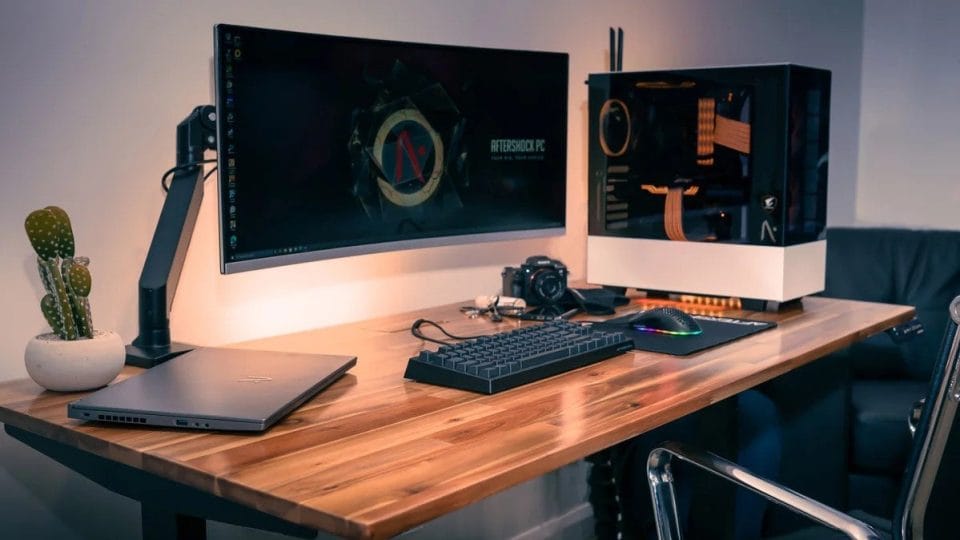
Macs, on the other hand, offer a consistent and seamless experience. Their intuitive interface, coupled with a sleek design, has a dedicated fanbase. While customization on a hardware level is limited, the holistic integration of software and hardware often translates to a smoother, more stable user experience.
There’s also the dimension of brand loyalty. Many Apple enthusiasts appreciate the ecosystem continuity between Macs, iPads, iPhones, and other devices. PC users might value the broad compatibility with numerous third-party applications and peripherals.
Compatibility with Gaming Accessories
The arena of gaming accessories can significantly impact one’s experience, and compatibility is key.
Given their diverse and open ecosystem, PCs naturally support a broader array of peripherals. From a myriad of gaming mice, keyboards, and headphones to VR headsets and specialized controllers, these devices are typically more accommodating. The vastness of the Windows user base often prompts accessory manufacturers to prioritize compatibility.

Macs, while having made strides in compatibility, can sometimes pose challenges. Certain gaming peripherals, especially those that require specific drivers or software, may not be readily compatible with macOS. Nevertheless, with the increasing popularity of gaming on Macs, many manufacturers are now ensuring their products work seamlessly on both platforms.
An additional consideration is the integration of other devices. Macs offer unparalleled synchronicity with other Apple products, like iPads or iPhones, which can be utilized as secondary screens or controllers.
Conclusion
Choosing between a Mac and a PC isn’t straightforward. While PCs provide a more extensive game library, customization, and broader accessory compatibility, Macs deliver a consistent, integrated experience with the potential for long-term value. Factors like budget, personal preference, and specific needs come into play. Gamers must assess what resonates most with their priorities, ensuring their choice enriches their gaming journey.