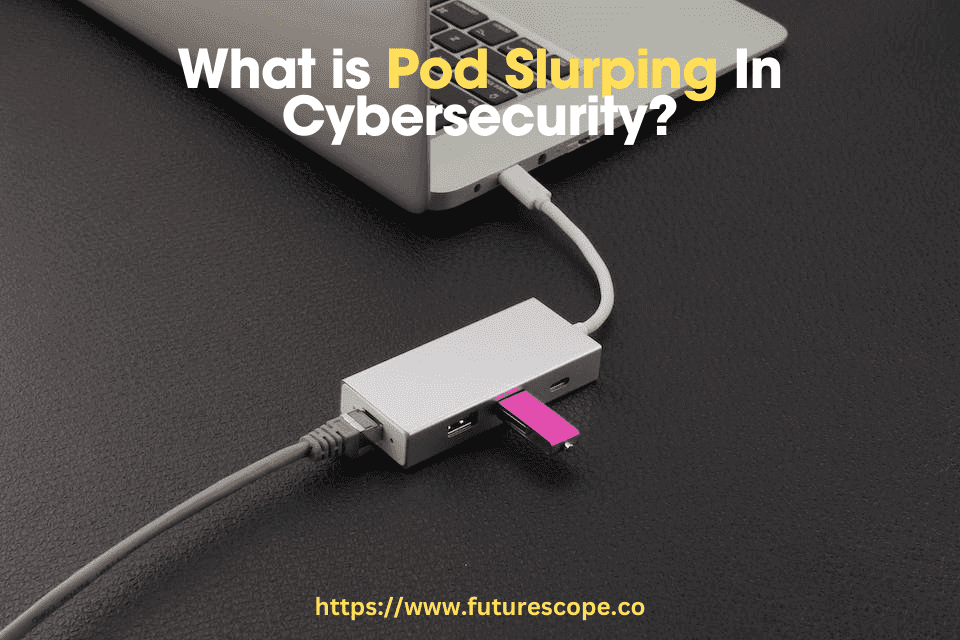

Hackers steal data through pod slurping by using portable storage devices, such as iPods, to download confidential data from a computer directly. This is done by plugging the device into the computer, even if it is behind a firewall.
Pod slurping is a technique used by cybercriminals to illicitly obtain large quantities of valuable information, including product development details, customer data, and proprietary information. For example, an employee with access to this data may decide to sell it to a competitor.
By exploiting the vulnerabilities in data storage and transfer, hackers can quickly and discreetly extract sensitive information, posing significant risks to businesses and individuals alike.
What is Pod Slurping In Cybersecurity?
Pod slurping is a cybersecurity method employed by hackers to steal data using portable devices like iPods or USB sticks. By directly connecting these devices to a computer system containing the desired data, the illicit transfer can occur within minutes, jeopardizing sensitive information.
Definition And History Of Pod Slurping
Pod slurping is a technique used by hackers to steal sensitive data from a system by connecting a portable storage device, such as an iPod or USB stick, directly to the computer. This method allows the unauthorized download of large quantities of confidential information, even from within a firewall. The term “pod slurping” was coined in 2005 by a security consulting company called Next Generation Security Software Ltd.
Key Reasons Why It’s A Preferred Method For Data Theft
Pod slurping has gained popularity among hackers for several reasons:
- Stealthy: Pod slurping is a covert method of stealing data as it does not require network access. Hackers can quickly connect their storage device to the targeted computer and copy the data without leaving a trace.
- Ease of Use: The simplicity of pod slurping makes it accessible to even less technically skilled hackers. With basic knowledge of connecting storage devices, anyone can perform this attack.
- Quick Data Transfer: As storage devices have evolved, their capacity and transfer speed have increased significantly. This enables hackers to download large amounts of data quickly.
- Physical Access Not Required: Unlike other hacking methods that may require physical access to the target computer, pod slurping can be performed remotely if the system is not well secured.
The Anatomy Of A Pod Slurping Attack
A pod slurping attack typically follows these steps:
- Identify Potential Targets: Hackers search for vulnerable systems with valuable data that can be accessed through USB ports.
- Connect Storage Device: The hacker plugs a portable storage device, such as an iPod or USB stick, into the target computer’s USB port.
- Copy the Data: The hacker then uses simple file transfer techniques to copy the desired data from the computer onto the connected storage device.
- Remove the Storage Device: Once the data transfer is complete, the hacker unplugs the storage device and leaves the target computer without a trace of the attack.
It’s important for organizations to implement security measures such as endpoint protection, access controls, and encryption to prevent pod slurping attacks. Regular security audits and employee awareness training can also help in detecting and mitigating such threats.
Identifying The Tools For Data Theft
Hackers can steal data through pod slurping by using portable devices like iPods and USB sticks to download confidential information directly from a computer. This method allows them to bypass firewalls and quickly transfer large amounts of sensitive data.
Types Of Devices Used In Pod Slurping
When it comes to pod slurping, hackers utilize various portable data storage devices to steal sensitive information. Some of the common devices include:
- iPods
- USB Sticks
- Flash devices
- PDAs (Personal Digital Assistants)
These devices are small, inconspicuous, and easily transportable, making them the perfect tools for hackers to carry out their illicit activities. Whether it’s a simple iPod or a USB stick, these devices can be plugged into the target system, allowing hackers to quickly transfer valuable data within minutes.
Software That Facilitates Unauthorized Data Transfer
In addition to portable storage devices, hackers often rely on specialized software to facilitate unauthorized data transfer. This software enables them to efficiently steal data without attracting attention. Some popular software used by hackers for pod slurping include:
| Software Name | Description |
|---|---|
| Juice Jacking | Allows hackers to install malicious programs on a victim’s device when it is connected to a compromised charging station. |
| Pegasus | A powerful spyware that can be installed on a device remotely, giving hackers complete access to the target’s sensitive data. |
| Data Dumper | Enables hackers to quickly copy large amounts of data from a target system onto their own storage devices. |
| USB Switchblade | A pre-configured USB drive designed to automatically exploit vulnerabilities in the target system. |
These types of software not only streamline the process of data theft, but they also provide hackers with additional functionalities to further compromise the target’s security.
How Do Hackers Steal Data Through Pod Slurping?
Hackers employ pod slurping as a technique to steal sensitive data from a system. By utilizing devices like iPods, USB sticks, flash drives, and PDAs, hackers can easily plug into a target system and transfer data within minutes.
To execute the attack, hackers wait for an opportunity to physically connect their chosen device to the target system. Once the connection is established, the hacker can navigate through the system’s directories and retrieve valuable data.
This method of data theft is particularly dangerous as it bypasses traditional security measures like firewalls and encryption. Additionally, the small size and inconspicuous nature of these devices make it difficult for organizations to detect or prevent such attacks.
Pod slurping has become a popular technique among hackers due to its simplicity and effectiveness in stealing data without arousing suspicion. It highlights the need for organizations to implement robust security measures to protect against these types of attacks.
Tactics Hackers Employ For Pod Slurping
Pod slurping is a data theft tactic employed by hackers, where they use portable devices like iPods, USB sticks, and PDAs to quickly download sensitive information from a system. This method allows them to bypass security measures and extract large amounts of data within minutes.
Physical Access And Social Engineering Techniques
One of the tactics that hackers employ for pod slurping is gaining physical access to a computer or network. By physically plugging a storage device such as an iPod or USB stick into a computer, they can directly download large amounts of confidential data. This method bypasses any security measures in place and allows hackers to quickly and discreetly steal sensitive information.
Furthermore, hackers may also use social engineering techniques to gain access to a computer or network. This can involve tricking individuals into granting them physical access or providing them with sensitive information. By leveraging psychological manipulation and deception, hackers can exploit human vulnerabilities to gain control over the target system.
Exploiting Network Vulnerabilities
Another tactic that hackers use for pod slurping is exploiting network vulnerabilities. They take advantage of weaknesses in a computer network’s infrastructure, protocols, or security measures to gain unauthorized access and steal data. This can involve exploiting software vulnerabilities, misconfigurations, or weaknesses in network protocols such as file-sharing services.
Hackers often employ sophisticated techniques, such as packet sniffing or spoofing, to intercept and manipulate network traffic, allowing them to extract sensitive information from the targeted system. By actively scanning networks for vulnerabilities or utilizing malware, hackers can identify weak points in the system’s defenses and exploit them to execute a pod slurping attack.
Bypassing Security Safeguards
In order to successfully carry out a pod slurping attack, hackers must bypass any security safeguards in place. This could include firewalls, intrusion detection systems, or access controls that are designed to protect the system from unauthorized access and data theft.
To bypass security safeguards, hackers may use a variety of techniques. This could involve exploiting software vulnerabilities to disable or circumvent security mechanisms, using brute-force attacks to crack passwords, or utilizing social engineering techniques to deceive system administrators and gain privileged access.
By evading or disabling security safeguards, hackers can gain unrestricted access to the target system and extract sensitive data without alerting the system’s security mechanisms. This allows them to carry out a pod slurping attack undetected and without raising any suspicion.
Recognizing The Signs Of A Breach
Unusual Device Connections And Data Transfer Patterns
One of the key signs that your organization may be experiencing a breach through pod slurping is the presence of unusual device connections and data transfer patterns. Hackers often use portable data storage devices like iPods, USB sticks, and flash drives to quickly and discreetly download large amounts of confidential data. These devices can be easily connected to a computer where the data is stored, allowing the hackers to transfer the data within minutes. Detecting these connections and patterns can help identify potential pod slurping incidents and take appropriate action.
Security Logs And Alerts That May Indicate Pod Slurping
Another way to recognize the signs of a pod slurping breach is by closely monitoring security logs and alerts. These logs record various activities and events taking place within your organization’s network, including device connections and data transfers. By regularly reviewing these logs, you can identify any patterns or anomalies that may indicate pod slurping activity. Additionally, configuring your security system to generate alerts for suspicious device connections or excessive data transfers can provide an early warning system for potential breaches.
Responding To Potential Pod Slurping Incidents
If you suspect that your organization may be experiencing a pod slurping incident, it’s crucial to respond promptly and effectively. Here are some steps you can take:
- Isolate the affected system: Remove it from the network to prevent further data loss and minimize the impact on other systems.
- Notify the relevant parties: Inform your IT department, management, and any other stakeholders about the potential breach.
- Collect evidence: Preserve any relevant logs, alerts, or other data that can help analyze the breach and support any subsequent investigations.
- Investigate the incident: Determine the extent of the breach, identify the data that may have been compromised, and assess the impact on your organization.
- Implement security measures: Enhance your organization’s security measures, such as implementing stricter data access controls, monitoring device connections, and regularly reviewing security logs.
- Communicate with affected parties: If personal or sensitive data has been compromised, notify the individuals or organizations affected and provide guidance on steps they can take to protect themselves.
By recognizing the signs of a breach, such as unusual device connections and data transfer patterns, and responding promptly and effectively to potential pod slurping incidents, you can protect your organization’s sensitive data and prevent further damage.
How to Protect Pod Slurping Attacks?
Pod slurping is a serious threat to businesses and individuals alike. The act of using a portable data storage device like an iPod or USB stick to illicitly download large quantities of confidential data can have devastating consequences. However, there are steps you can take to protect yourself and your organization against these types of attacks. In this article, we will explore the best practices for securing physical ports and devices, the role of endpoint security solutions, and the importance of implementing policies and procedures to minimize risk.
Best Practices For Securing Physical Ports And Devices
Securing physical ports and devices is paramount in defending against pod slurping attacks. By implementing the following best practices, you can significantly reduce the risk of unauthorized data extraction:
- Disable unnecessary or unused physical ports to limit access points for potential attackers.
- Physically lock down ports that need to remain active, ensuring only authorized personnel have access.
- Regularly inspect physical ports and devices for signs of tampering or unauthorized connections.
- Implement video surveillance or monitoring systems to deter and detect any unauthorized activity.
- Provide training and awareness programs to educate employees about the risks associated with pod slurping and the importance of physical security.
The Role Of Endpoint Security Solutions
Endpoint security solutions play a crucial role in safeguarding against pod slurping attacks. These solutions are designed to protect individual devices, such as laptops, desktops, and mobile devices, from unauthorized access and data breaches. Here are some key features to consider when selecting an endpoint security solution:
| Feature | Description |
|---|---|
| Device control | Manage and restrict the types of devices that can connect to your network. |
| Data encryption | Encrypt sensitive data to prevent unauthorized access in case of theft or loss. |
| Malware protection | Detect and block malicious software that could be used to exploit vulnerabilities and extract data. |
| Application control | Control and monitor the applications that can run on your devices to prevent unauthorized data transfers. |
Policies And Procedures To Minimize Risk
Implementing robust policies and procedures is essential in minimizing the risk of pod slurping attacks. Consider the following guidelines when developing your security protocols:
- Develop an acceptable use policy that clearly outlines the appropriate use of personal devices and prohibits unauthorized data transfers.
- Enforce strong password policies to protect devices and secure access to sensitive data.
- Regularly update and patch devices to address any security vulnerabilities.
- Implement network access controls to ensure only authorized devices can connect to your network.
- Monitor and log network activity to identify any suspicious or unauthorized data transfers.
By incorporating these best practices for securing physical ports and devices, leveraging endpoint security solutions, and implementing policies and procedures to minimize risk, you can significantly reduce the likelihood of falling victim to pod slurping attacks. Protect your valuable data and safeguard your organization’s reputation by taking proactive steps to defend against this growing threat.
Crafting Robust Defense Strategies
Crafting robust defense strategies is crucial in protecting against data theft through pod slurping, a technique used by hackers to illicitly download confidential data by directly plugging portable storage devices into computers. By implementing strong security measures, organizations can prevent unauthorized access to sensitive information and ensure the safety of their data.
Importance Of Comprehensive Security Training
Comprehensive security training plays a crucial role in defending against pod slurping attacks. By educating employees about the risks associated with pod slurping and providing them with the knowledge and skills to identify and prevent such attacks, organizations can build a strong first line of defense. Training programs should cover the basics of data security, including the importance of maintaining strict access controls, recognizing suspicious behavior, and adhering to best practices when it comes to handling sensitive data.
Regular System Audits And The Importance Of Monitoring
Regular system audits are essential for identifying vulnerabilities and ensuring that appropriate security measures are in place. Organizations should routinely review their systems, network configurations, and data access controls to detect any potential weaknesses that could be exploited by hackers. Additionally, continuous monitoring of system activity is critical in detecting and responding to any unauthorized attempts to access or extract data. Implementing real-time logging and alerting mechanisms can help organizations stay one step ahead of hackers and prevent data breaches.
Case Studies Of Effective Pod Slurping Prevention Measures
Examining real-life case studies of organizations that have successfully thwarted pod slurping attacks can provide valuable insights and inspiration for crafting effective defense strategies. One such example is Company X, which implemented strict physical security measures, including restricted access to sensitive areas and regular inspections of employee belongings. In addition, Company X implemented data loss prevention software that actively monitored data transfers and prevented unauthorized copying of sensitive information onto external devices. This multi-layered approach proved highly effective in preventing pod slurping incidents and safeguarding confidential data.
Another notable case is Company Y, which focused on employee awareness and education. By regularly conducting security awareness campaigns and phishing simulations, Company Y was able to foster a culture of vigilance among its workforce. In addition, the company implemented data access controls that allowed only authorized personnel to access sensitive information, further minimizing the risk of pod slurping attacks.
In conclusion, organizations can protect themselves against pod slurping attacks by implementing comprehensive security training, conducting regular system audits, monitoring system activity, and learning from successful prevention measures implemented by other companies. By staying proactive and adaptable, organizations can build robust defense strategies that effectively deter hackers and safeguard their valuable data.
Frequently Asked Questions Of How Do Hackers Steal Data Through Pod Slurping?
What Is Pod Slurping In Cyber Security?
Pod slurping is when hackers use portable devices like iPods to download large amounts of confidential data directly from a computer, even if it’s behind a firewall. It’s a form of cyber security breach.
What Is An Example Of Pod Slurping?
Pod slurping is when a person uses a portable device like an iPod to secretly download large amounts of confidential data from a computer. For example, an employee with access to proprietary information may sell it to a competitor.
What Is Pod In Cyber Security?
Pod slurping is a cyber security term that refers to the act of using a portable data storage device, like an iPod, to illegally download large amounts of confidential data by directly connecting it to a computer. Hackers exploit this method to bypass firewalls and steal sensitive information.
What Do Hackers Mostly Look For?
Hackers mostly look for personal data such as passport information and Social Security numbers, which they can sell or use for malicious activities like tax fraud and opening credit accounts. They may also target sensitive business data using techniques like pod slurping, where they use devices like iPods or USB sticks to steal data from systems.
Conclusion
Pod slurping is a dangerous technique used by hackers to steal sensitive data swiftly and discreetly. By exploiting the use of portable devices like iPods, USB sticks, and flash drives, hackers can bypass security measures and transfer large amounts of confidential information within minutes.
This method poses a significant threat to businesses and individuals, highlighting the importance of robust cybersecurity measures to prevent data breaches. Stay vigilant and protect your data from falling into the wrong hands.