

In today’s digital age, office workers spend the majority of their day sitting at desks, staring at screens, and attending virtual meetings. While this setup may seem convenient, it comes with significant health risks. A sedentary lifestyle, characterized by prolonged periods of sitting with little physical activity, can contribute to a range of serious health concerns. However, simple exercises and workplace changes can help counteract these risks, promoting better health and overall well-being.
The Health Risks of a Sedentary Lifestyle
One of the most concerning consequences of excessive sitting is the increased risk of chronic diseases. Studies have linked prolonged inactivity to obesity, type 2 diabetes, heart disease, and metabolic syndrome. When the body remains inactive for extended periods, metabolism slows down, making it harder to regulate blood sugar and burn calories efficiently. This inactivity can lead to weight gain and a higher likelihood of developing lifestyle-related illnesses.
Sitting for too long can also wreak havoc on the musculoskeletal system. Poor posture, a common issue among office workers, often results in chronic back pain, neck stiffness, and joint discomfort. When employees remain hunched over desks for hours, their spinal alignment suffers, leading to discomfort that can eventually develop into more serious conditions like herniated discs or sciatica.
A lack of activity leads to muscle atrophy, particularly in the lower body. Weak muscles can impact stability, balance, and overall strength, making individuals more prone to injuries and stiffness as they age. Additionally, sitting for long periods can lead to poor circulation, which increases the risk of conditions such as varicose veins, deep vein thrombosis (DVT), and high blood pressure.
Finally, sedentary habits can affect cognitive function and productivity. Physical activity enhances brain function by increasing blood flow and oxygen to the brain. Without movement, employees may find themselves struggling with focus, memory, and overall efficiency. A sluggish body often translates to a sluggish mind, which can impact workplace performance.
Simple Exercises to Stay Active at Work
Despite the challenges posed by office jobs, there are simple ways to incorporate movement throughout the day. One effective strategy is to take frequent movement breaks. Standing up, stretching, or walking every 30 to 60 minutes can help improve circulation and prevent muscle stiffness. Even a quick lap around the office or a few minutes of stretching can make a difference in keeping the body active.
Desk exercises and stretches can also be beneficial. Simple movements like shoulder rolls, neck stretches, and seated leg lifts can help alleviate tension and improve flexibility. Chair yoga poses, such as seated spinal twists and forward bends, can promote mobility without requiring much space or equipment.
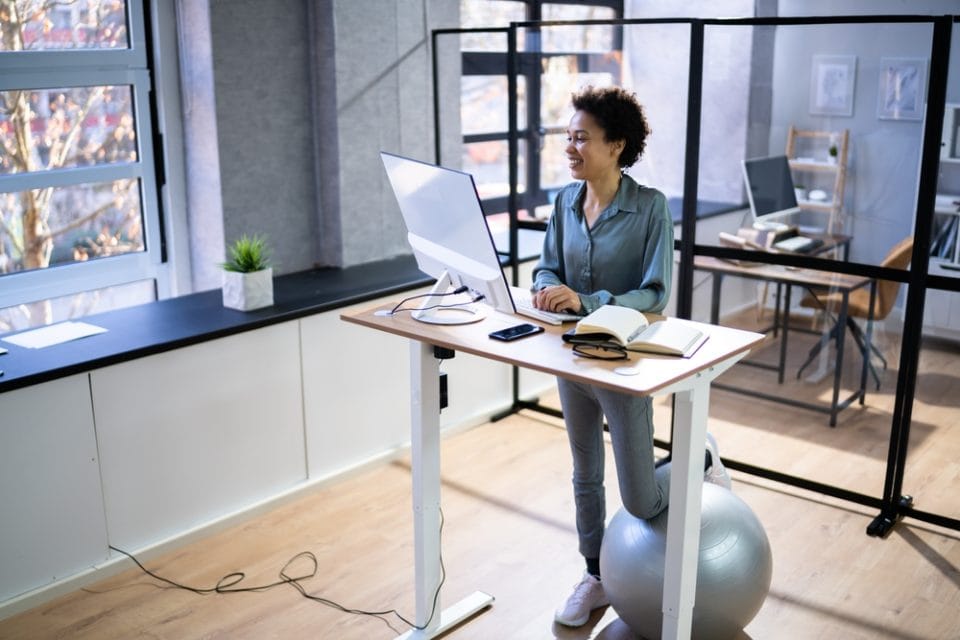
Another way to stay active is by using standing or treadmill desks. Alternating between sitting and standing can improve posture and engage different muscle groups throughout the day. Employees who use treadmill desks or balance boards can even get some light exercise while working, reducing the negative effects of prolonged sitting.
Walking meetings offer a great solution. Instead of sitting in a conference room, employees can discuss work topics while walking outdoors or through office hallways. This practice not only promotes movement but also encourages creativity and collaboration.
Choosing stairs over elevators is another simple yet effective way to increase daily activity levels. Climbing stairs engages leg muscles and improves cardiovascular health, making it an easy habit to incorporate into a daily routine.
Lunchtime workouts can also provide an excellent opportunity to stay active. Whether it’s a short gym session, a brisk walk, or a quick yoga routine, using part of the lunch break for physical activity can boost energy levels for the remainder of the workday.
How Workplaces Can Encourage Fitness and Mobility?

Employers play a crucial role in combating the effects of a sedentary lifestyle by fostering a workplace culture that prioritizes movement and well-being. One of the most impactful changes businesses can implement is an ergonomic office setup. Adjustable desks, supportive chairs, and proper monitor positioning can improve posture and reduce strain on the body.
Businesses can support wellness by offering subsidized gym memberships or fitness incentives Encouraging breaks and flexibility in work schedules can also promote movement. Allowing employees the time to stretch, take short walks, or engage in quick exercises throughout the day can significantly improve their health and productivity. High tables, designated standing areas, or even outdoor walking meetings can make a significant difference in employee mobility.
Office design can also impact physical activity levels. Workspaces that include green areas, walking paths, or designated break spaces can promote movement and relaxation. Encouraging a workspace layout that naturally integrates mobility into the daily routine can lead to long-term health benefits for employees, such as putting facilities such as meeting rooms, break rooms, kitchens, lounges and smoke shelters a moderate (but still accessible) distance from main working areas.
Conclusion
A sedentary office lifestyle presents serious health risks, but with mindful changes, both individuals and businesses can take steps to mitigate its effects. The key is to prioritize movement in small, consistent ways that add up over time. In doing so, office workers can break free from the dangers of prolonged sitting and embrace a healthier, more active lifestyle.