
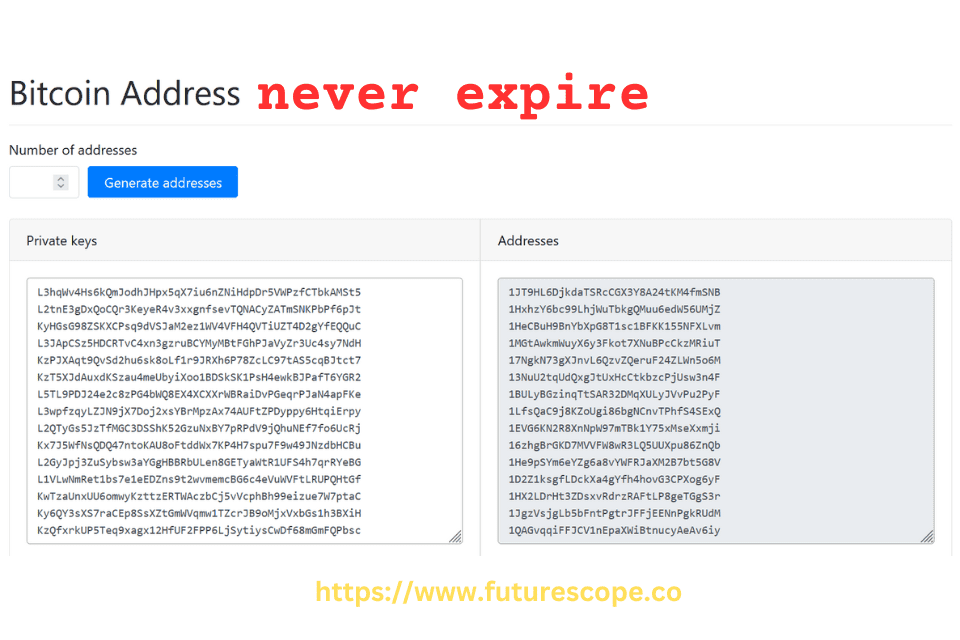

Bitcoin addresses never expire. Once created, they remain valid on the blockchain indefinitely, regardless of whether they are used or not.
In the ever-evolving digital era, the stability of cryptocurrency mechanisms is crucial. Bitcoin, the pioneering digital currency, operates with a unique system of addresses for transactions. These strings of letters and numbers are central to the transferring of bitcoins, providing a destination for the digital currency.
Understanding the permanence of Bitcoin addresses is essential for users who value long-term planning and security in their crypto dealings. The permanence ensures that old addresses remain accessible, securing the future of one’s digital assets. This feature of Bitcoin addresses underlines the robustness of the blockchain technology behind it, making them a mainstay in the realm of cryptocurrency transactions. It’s important to note, though, that for privacy and security reasons, it’s recommended to use a new address for each transaction.
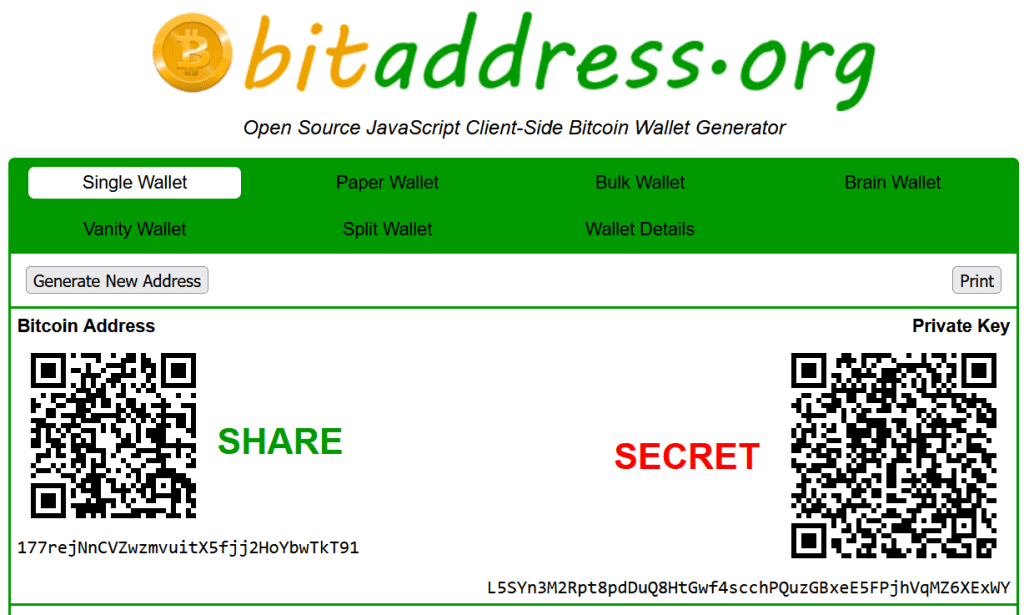
Nature of Bitcoin Addresses
Let’s dive into the fascinating world of Bitcoin addresses. These unique strings of characters are crucial for transactions in the Bitcoin network. Understanding their nature sheds light on the inner workings of this digital currency.
Creation And Usage
Bitcoin addresses come to life when a Bitcoin wallet user creates a new address. Each address is a destination for a Bitcoin payment. Users can create as many addresses as they want. This helps keep transactions private and organized.
- Addresses are unique: No two are the same.
- One-time use: Best practice is to use each address for a single transaction.
- Addresses do not expire: They remain valid indefinitely. Yet, reusing them is not advised for privacy.
Addresses are the cornerstone of Bitcoin transactions. They grant a way to send and receive digital currency securely and efficiently.
Public And Private Key Pair
Every Bitcoin address has a matching key pair. This comprises a public and a private key. These keys allow users to execute transactions.
Public Key: Shared openly. It’s what a Bitcoin address is made from.
Private Key: Kept secret. It’s needed to authorize transactions.
A private key proves ownership of a Bitcoin address. It is essential to keep this key safe at all times. Users risk losing access to their Bitcoins without it.
Comparing Bitcoin Addresses To Traditional Bank Accounts
When we explore the world of finance, it’s crucial to understand the fundamental differences between Bitcoin addresses and traditional bank accounts. These distinctions shape how users interact with digital currencies versus conventional banking systems. Bitcoin introduces an innovative approach to access and management of funds, making it unique in the financial landscape.
Accessibility: Anytime, Anywhere
Bitcoin addresses offer unparalleled accessibility. Unlike bank accounts, Bitcoin addresses are accessible 24/7, without any restrictions. This feature ensures users can manage and transact their cryptocurrencies without delay or waiting for bank hours.
- No need for physical branches
- Instant transactions around the globe
- Control lies entirely with the user
Address Reuse: Pros And Cons
Each Bitcoin address can receive multiple payments. Address reuse has both advantages and challenges. Users find it convenient, but it can lead to privacy concerns. Different strategies help to balance these factors.
| Pros of Address Reuse | Cons of Address Reuse |
|---|---|
| Easier to remember and manage | Potentially reduces privacy |
| Less error-prone for frequent transactions | Can make tracking spending habits easier |
| Helpful for businesses that need consistency | Risks exposing transaction history |
In contrast, traditional banks often recommend changing account details after security breaches. Bitcoin users must find a balance between the convenience of address reuse and the need for privacy.
Using new addresses for each transaction strengthens security. It also enhances anonymity which is a fundamental aspect of the Bitcoin philosophy.
The Myth of Address Expiration
The ‘Address Expiration Myth’ surrounds Bitcoin, sparking confusion and misinformation. Let’s dispel this myth and uncover the truth. Understanding the permanence of Bitcoin addresses is crucial for both novice and experienced users.
Origins Of The Myth
Confusion often springs from misconceptions or misunderstood information. The myth that Bitcoin addresses can expire is no exception. This fallacy likely stems from an analogy with email accounts, where inactivity can lead to closure.
Another possible source is the use of one-time addresses in wallet software. These are meant for single transactions, falsely implying they may ‘expire’ after use.
Impact On User Behavior
Belief in address expiration can affect how individuals manage their crypto assets. Users might feel compelled to generate new addresses constantly, adding unnecessary complexity to their wallets.
- Frequent address changes could make wallet management harder.
- This myth could lead to fear of losing access to funds.
- It may deter long-term holding, which contradicts common investment strategies.
How to Manage Bitcoin Addresses or keep in secret?
Best Practices for Managing Bitcoin Addresses are crucial for anyone looking to engage in Bitcoin transactions. Understanding the intricacies of Bitcoin addresses enhances security and privacy. Let’s delve into effective methods for handling these digital keys.
Single-use Addresses For Anonymity
Creating a new Bitcoin address for each transaction boosts anonymity. This practice prevents transaction patterns from becoming traceable. Below are key points for embracing single-use addresses:
- Prevent linking of transactions to your identity.
- Use HD wallets that generate fresh addresses automatically.
- Enhance privacy by separating transaction types.
Keeping Track Of Address Activity
Monitoring Bitcoin address activity is fundamental. A systematized approach to track these addresses ensures funds are secure. See the following tips for adequate tracking:
- Label each address for its specific use case.
- Employ address management tools to simplify monitoring.
- Regularly check address balances and transaction history.
Adopting best practices in managing Bitcoin addresses is not only about maintaining security but also about fostering a seamless cryptocurrency experience.
Frequently Asked Questions
Will Old Bitcoin Addresses Still Work?
Yes, old Bitcoin addresses remain valid and can still receive transactions as the network maintains backward compatibility.
What Happens If I Send Bitcoin To An Expired Address?
Bitcoin addresses do not expire. Sending BTC to any address means the transaction is permanent if confirmed on the blockchain. Always double-check the address before sending.
What Happens To My Old Bitcoin Address?
Your old Bitcoin address remains valid and accessible. You can receive Bitcoin with it, but for privacy, using new addresses is recommended.
How long does Bitcoin last?
Bitcoin itself is designed to exist indefinitely, as long as the blockchain is maintained by the global network of users and miners.
Conclusion
Wrapping up, it’s clear that Bitcoin addresses themselves don’t have a built-in expiration date. Managing your cryptocurrency effectively is key. Remember to always confirm the address accuracy before every transaction. Secure, vigilant practices ensure your Bitcoin journey remains smooth and trouble-free.
Stay informed and proactive in your digital finance endeavors.