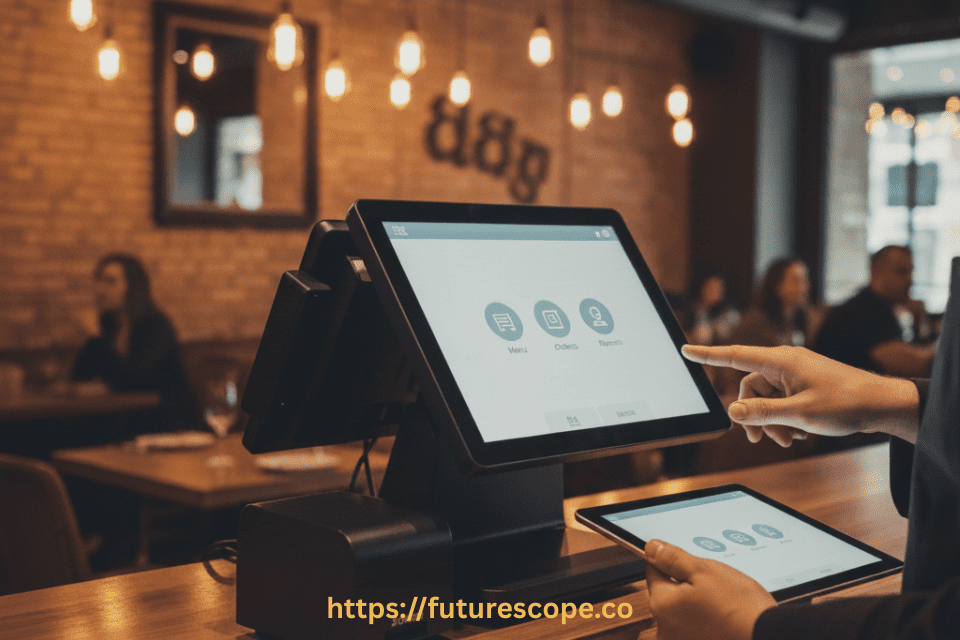

Choosing the right restaurant POS system is one of the most important decisions for any food business. The right setup can be the powerhouse of the operations, save money , and give both customers and staff a smoother experience.
But with so many options available, knowing what to look for can be challenging.
Which POS Is Right For You: Understand Your Restaurant’s Needs?
Before comparing systems, think about your restaurant’s size, service type, and daily workflow. A small café has very different needs from a multi-location casual dining chain.
Identify what matters most: speed of service, inventory tracking, data insights, or integration with online delivery platforms.
Key Features to Consider
The following are the key features to consider:
1. Ease of Use
Your POS should be simple for staff to learn and quick to use during busy hours and also for new staff members. Look for systems with intuitive interfaces and minimal manual input to reduce training time.
2. Menu Management
A strong restaurant POS should allow you to update prices, add new items, and modify categories instantly. Flexible menu management helps you adapt quickly to seasonal changes and promotions.
3. Reporting and Analytics
Data is essential for restaurant decision-making. Advanced POS systems provide detailed sales reports, customer behavior insights, and performance tracking, helping you spot trends and optimize operations.
4. Online Ordering Integration
As more customers order through digital platforms, integration with online ordering is crucial. A connected system keeps menu information synchronized across all channels and reduces the chance of order errors.
5. Payment Flexibility
Today’s guests expect multiple payment options; from contactless cards to digital wallets. A modern POS should process transactions securely and support the latest payment technologies.
Importance of Integration Capabilities in a POS
The best POS systems connect seamlessly with other tools that keep a restaurant running efficiently.
Smooth integration with a kitchen display system ensures that orders reach chefs in real time, reducing wait times and mistakes. Likewise, connections to accounting, loyalty, and inventory software keep operations consistent and transparent.
When these systems communicate well, staff can focus on what truly matters “delivering great food and service”.
Difference Between Cloud vs On-Premise Systems
Cloud-based POS systems are becoming the industry standard because they allow real-time access to reports and data from anywhere. They also simplify updates and backups.
On-premise systems, while still used by some large operators, require manual maintenance and may not offer the same flexibility.
Final Thoughts
While price matters, the cheapest option may not be the most effective. Consider long-term costs like licensing, maintenance, and customer support.
A scalable POS system grows with your business, allowing you to add new devices, menu items, or locations without starting from scratch.
Selecting the right restaurant POS system takes time, research, and understanding of your restaurant’s needs. The ideal POS will simplify daily operations, improve order accuracy, and support future growth.
Look for a platform that integrates well with menu management, online ordering, and kitchen display solutions; those connections make a noticeable difference in efficiency and guest satisfaction.
If you invest in the right technology from the start, your restaurant will be better equipped to handle today’s demands and tomorrow’s opportunities.