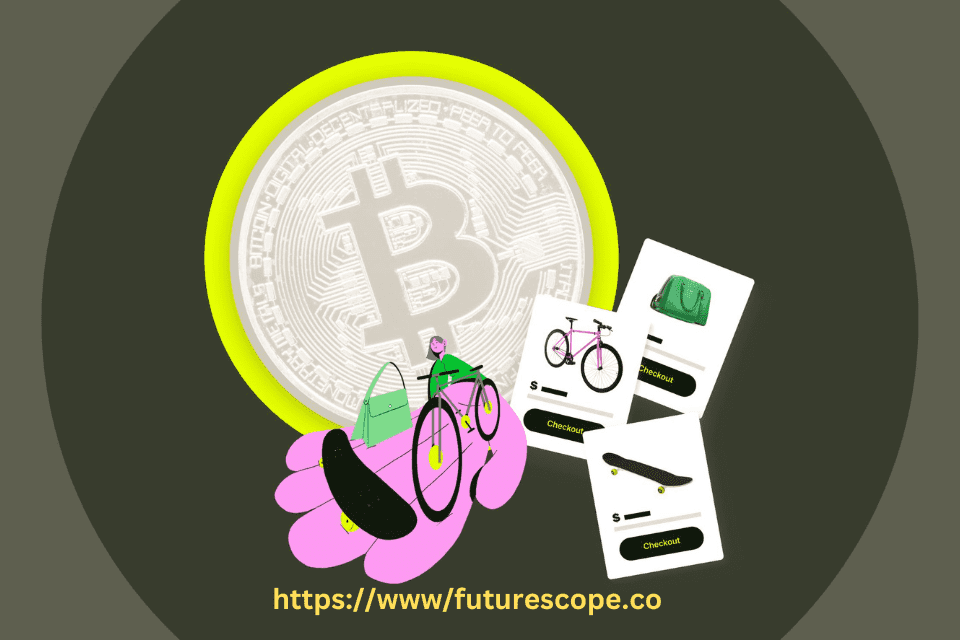

As cryptocurrencies continue to gain mainstream popularity, many people are asking the question: “Can I use Bitcoin for online purchases?” The short answer is yes, you can use Bitcoin for online purchases, though the process and availability depend on the merchant and your location. Many major companies, such as Microsoft for topping up accounts and AT&T for bill payments, accept Bitcoin directly. E-commerce platforms like Shopify also enable their merchants to accept it, expanding options for online shopping. Additionally, services like PayPal allow you to spend Bitcoin at millions of merchants by converting it to fiat currency at checkout, making it more accessible.
Bitcoin, the world’s first and most widely used cryptocurrency, is increasingly accepted by online retailers, service providers, and platforms across the globe. In this article, we’ll break down how you can use Bitcoin to make online purchases, where it’s accepted, the benefits and risks, and what you need to get started.
What Is Bitcoin and How Does It Work for Online Payments?
Bitcoin (BTC) is a decentralized digital currency that allows peer-to-peer transactions without the need for a central authority or traditional bank. When you use Bitcoin for online purchases, you’re essentially transferring value from your digital wallet to the merchant’s wallet via the blockchain—a secure, transparent ledger.
Unlike credit cards, which rely on third-party payment processors, Bitcoin transactions are completed directly between you and the seller. This makes the process quicker, more private, and, in many cases, cheaper.
Where Can You Use Bitcoin for Online Purchases?
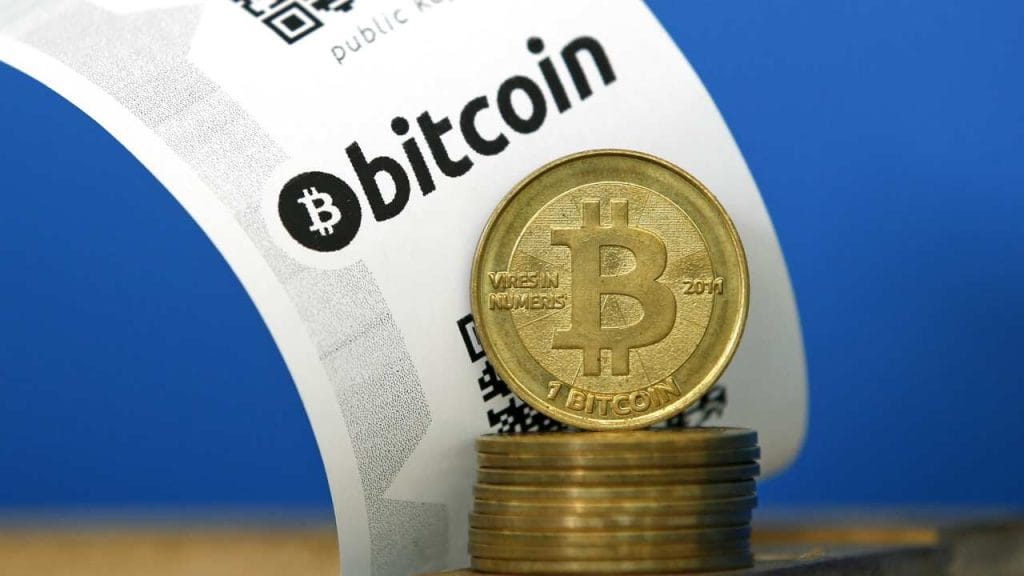
Bitcoin adoption is growing rapidly, and many well-known online platforms now accept it. Major companies like Microsoft, Overstock, and Shopify merchants accept Bitcoin for digital services, electronics, and subscriptions. Niche platforms such as Bitrefill (gift cards) and Newegg (tech products) also support crypto payments. Additionally, decentralized marketplaces and crypto-native services (e.g., VPNs, web hosting) increasingly prioritize Bitcoin transactions. Here are some of the most popular sectors and companies where you can use Bitcoin:
1. Retail and E-commerce
- Overstock.com – One of the earliest adopters of Bitcoin for a wide range of products.
- Newegg – Accepts Bitcoin for electronics and computer parts.
- Shopify Stores – Many independent Shopify retailers offer Bitcoin as a payment method.
2. Travel and Hospitality
- Expedia (through third-party platforms) – Book flights and hotels using Bitcoin.
- Travala – A crypto-friendly travel booking platform.
- AirBaltic and LOT Polish Airlines – Accept BTC for flight bookings.
3. Food and Beverage
- Starbucks – Indirectly accepts Bitcoin via the Bakkt app.
- Pizza For Coins – Order pizza from major chains using BTC.
- Various local restaurants – Especially in crypto-forward cities or through delivery apps that support crypto.
4. Digital Services and Subscriptions
- Namecheap – Buy domains and hosting with Bitcoin.
- ProtonMail – A secure email provider that supports BTC.
- ExpressVPN & NordVPN – Privacy-focused VPN services accepting Bitcoin.
5. Gift Cards
If a merchant doesn’t directly accept Bitcoin, you can still use it by purchasing gift cards:
- Bitrefill
- Gyft
- CoinCards
These platforms allow you to convert Bitcoin into store credit for Amazon, Walmart, iTunes, and more.
Table of Key Companies Accepting Bitcoin
Below is a table summarizing major companies accepting Bitcoin, based on recent data:
| Company | Description | Acceptance Method |
| Microsoft | Accepts Bitcoin for account top-ups, used for digital purchases. | Direct |
| AT&T | Allows Bitcoin for bill payments, first major U.S. mobile carrier to adopt. | Direct |
| Starbucks | Partners with Bakkt for reloading cards, indirect Bitcoin use. | Indirect (via BAKKT) |
| Paypal | Enables spending Bitcoin at millions of merchants, converts to fiat at checkout. | Indirect |
| Whole Foods | Accepts Bitcoin through Spedn app for grocery purchases. | Indirect (via Spedn) |
| Home Depot | ntegrates Bitcoin payments via Flexa Spedn app. | Indirect (via Spedn) |
| Shopify | Allows merchants to accept Bitcoin, expanding e-commerce options. | Direct (merchant-dependent) |
| Overstock | Early adopter, accepts Bitcoin directly for various products. | Direct |
This table highlights the diversity of acceptance methods, from direct integration to third-party facilitation, reflecting Bitcoin’s evolving role in e-commerce.
How to Use Bitcoin for Online Payments?
Step 1: Get a Digital Wallet
To store and send Bitcoin, you need a crypto wallet. Options include:
- Hot wallets (software): Trust Wallet, Electrum, Exodus
- Cold wallets (hardware): Ledger, Trezor – more secure for long-term use
Step 2: Buy Bitcoin
You can purchase Bitcoin on popular crypto exchanges like:
- Coinbase
- Binance
- Kraken
- Cash App
Once purchased, transfer it to your personal wallet for spending.
Step 3: Choose a Merchant or Service
When shopping online, look for the Bitcoin logo or payment options like BitPay or CoinGate at checkout.
Step 4: Make the Payment
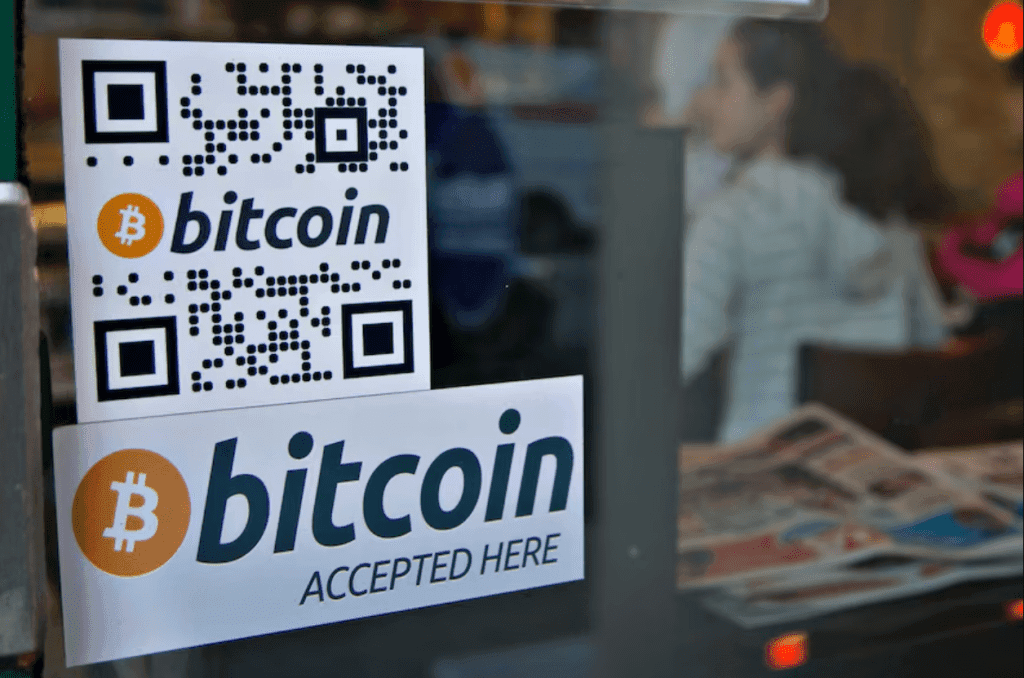
Scan the merchant’s QR code or copy their BTC address into your wallet app, enter the amount, and confirm the transaction. Bitcoin payments are generally processed within 10–30 minutes.
Transactions typically involve scanning a QR code or copying a wallet address, with payments processing in 10 minutes to an hour, depending on network congestion. Some platforms use intermediaries like BitPay or CoinGate to instantly convert Bitcoin to fiat for merchants, simplifying the process.
Is It Safe to Use Bitcoin for Online Purchases?
Yes, but with caution. Bitcoin is inherently secure thanks to blockchain technology, but your safety depends on how you manage your wallet and transactions.
Tips for Safe Transactions:
- Only shop with trusted and verified merchants.
- Double-check the wallet address before sending BTC.
- Use a hardware wallet for extra security.
- Avoid public Wi-Fi when accessing crypto wallets.
Benefits of Using Bitcoin for Online Shopping
- Lower transaction fees than credit cards and PayPal
- No need for personal information, ensuring more privacy
- Global accessibility – no exchange rate hassles or cross-border issues
- Fast processing – especially with the Lightning Network for micro-payments
- Decentralization – you control your money, not banks or intermediaries
- Privacy Protections– While Bitcoin transactions are public on the blockchain, they don’t require sharing sensitive personal information (e.g., credit card numbers), reducing exposure to data breaches.
Disadvantages and Challenges
Despite its benefits, using Bitcoin for online purchases comes with challenges. The primary concern is volatility, with Bitcoin’s value fluctuating significantly, which can affect purchasing power. For example, if Bitcoin’s value drops during a transaction, the buyer might end up paying more in fiat terms, impacting budgeting. This volatility is a noted drawback, with transaction fees also being high at times, averaging around $20 in recent years, according to market analyses.
Limited acceptance remains a hurdle, as not all online merchants accept Bitcoin, restricting options compared to traditional payment methods like Visa or MasterCard. This limitation is gradually decreasing, but it still requires users to check merchant policies or use directories to find compatible stores. Additionally, the irreversibility of Bitcoin transactions poses risks; once sent, transactions cannot be reversed, making users vulnerable to scams or errors, such as sending to the wrong wallet address, which could result in permanent loss.
The complexity of using Bitcoin, requiring technical knowledge for wallet management and transaction verification, can be a barrier, especially for less tech-savvy individuals. This complexity, combined with the need for additional verification for external transfers on platforms like PayPal, adds to the user experience challenges.
Risks and Considerations
While using Bitcoin for online purchases offers many perks, it’s important to be aware of some downsides:
- Price Volatility – The value of Bitcoin can fluctuate rapidly.
- Limited Acceptance – Not all websites accept BTC directly.
- Non-reversible Payments – Unlike credit card chargebacks, Bitcoin transactions are final.
- Regulatory Issues – Crypto laws vary by country, which might impact usage.
- Tax Implicationss – Many countries treat Bitcoin spending as a taxable event, requiring users to report capital gains/losses.
Future Outlook: Will More Online Stores Accept Bitcoin?
With increasing global interest in crypto and advancements like the Bitcoin Lightning Network (which enables faster, cheaper transactions), many experts believe more e-commerce sites will start accepting Bitcoin in the coming years. Major companies like PayPal and Visa are already integrating crypto payment systems, signaling a broader move toward digital assets.
The trend in 2025 indicates increasing acceptance of Bitcoin for online purchases, driven by growing consumer demand and corporate adoption. Research suggests that two in three people planning to purchase crypto in 2025 want Bitcoin, supported by its limited supply and recognition from traditional financial institutions. North America, particularly the U.S., shows broad adoption, with companies like AMC Theatres and Whole Foods integrating Bitcoin, backed by crypto-friendly legislation.
Europe, with countries like Switzerland and Germany, has become a hotspot, while Latin America sees rapid adoption in regions like Venezuela due to economic instability. The rise in Bitcoin ATMs and the integration of Bitcoin into payment gateways, like NOWPayments, further indicate a shift towards mainstream acceptance. Analysts predict this trend will continue, with more merchants recognizing Bitcoin’s potential, potentially reducing the current limitations and enhancing user experience.
Conclusion: Yes, You Can Use Bitcoin for Online Purchases
Bitcoin has evolved from being a speculative asset to a real-world currency that can be used for buying goods and services online. From tech gadgets and clothing to flights and digital subscriptions, you can use Bitcoin to pay online—and it’s becoming easier every year.
However, it’s important to stay informed, use secure wallets, and transact only with trusted platforms. Whether you’re a seasoned crypto investor or a beginner, spending Bitcoin online can be a convenient, secure, and forward-thinking way to shop in the digital era.
Explore further information on BlockchainInvest