

Yes, 3D printers can print clothes, but the materials and flexibility vary. Printing Cloths are often experimental and not as widespread as traditional textiles.
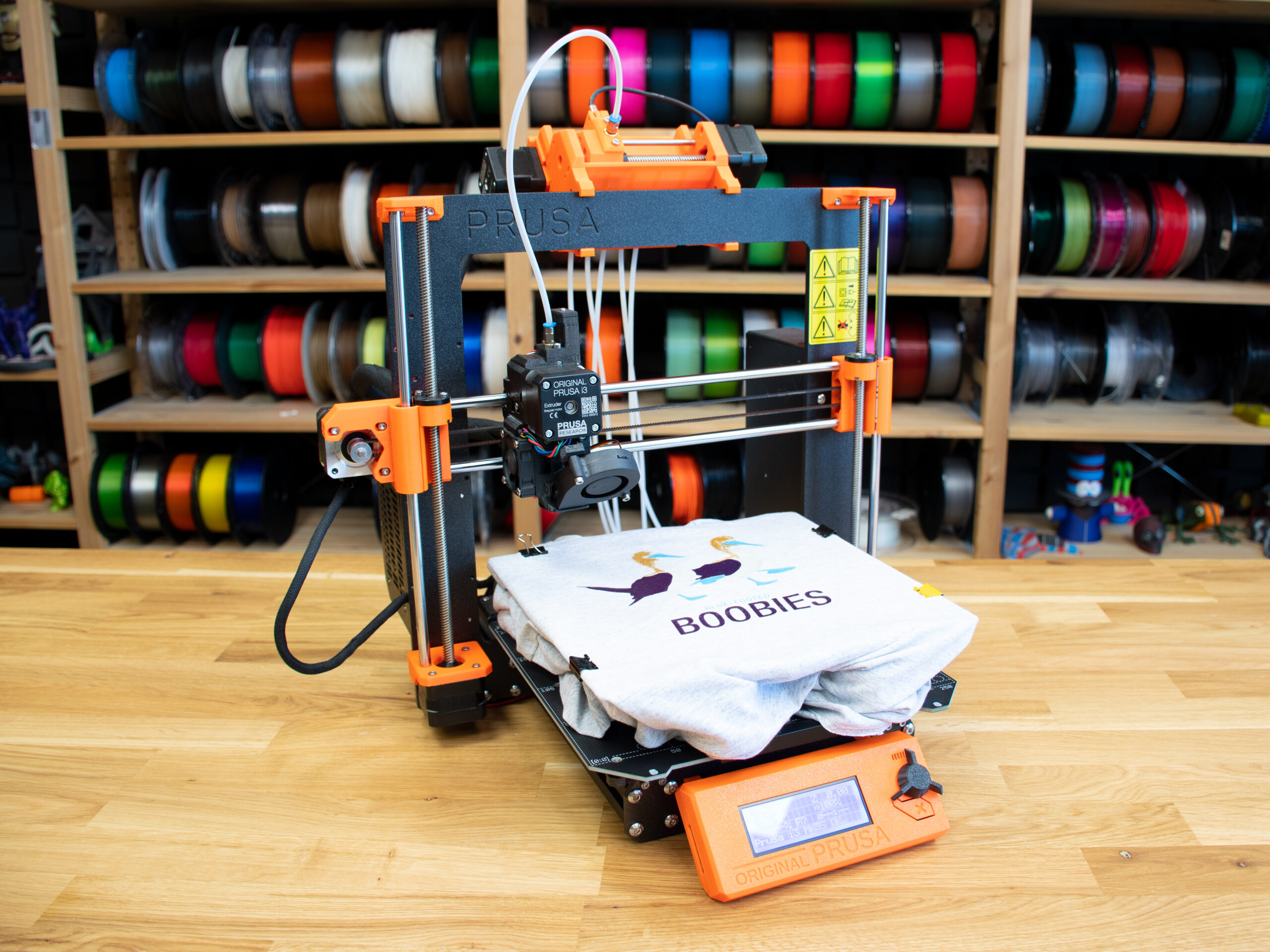
The convergence of fashion and technology has propelled the capabilities of 3D printers to include the creation of wearable garments. Innovators in the fashion industry are now experimenting with 3D printing to produce not just accessories but entire clothing pieces.
The concept is revolutionary yet still in its nascent stages, primarily due to the challenges in achieving comfort and wearability with currently available printing materials. These cutting-edge techniques are gradually making headway into haute couture and may pave the way for environmentally sustainable fashion by reducing fabric waste. The potential for customized and on-demand clothing production holds promise, albeit advances in material science are necessary to fully integrate 3D-printed apparel into everyday fashion.
The Emergence Of 3D Printed Fashion
The fashion industry stands on the brink of a technological revolution. 3D printed clothing is not a futuristic fantasy anymore. Designers and tech experts are joining forces to transform how we think about fashion. This innovation is leading to a new era where fashion meets functionality. Clothes can now come from printers, ready for the runway and, potentially, our wardrobes. Let’s unravel how 3D printing is knitting the fabric of the future.
Textile Innovations Through 3D Printing
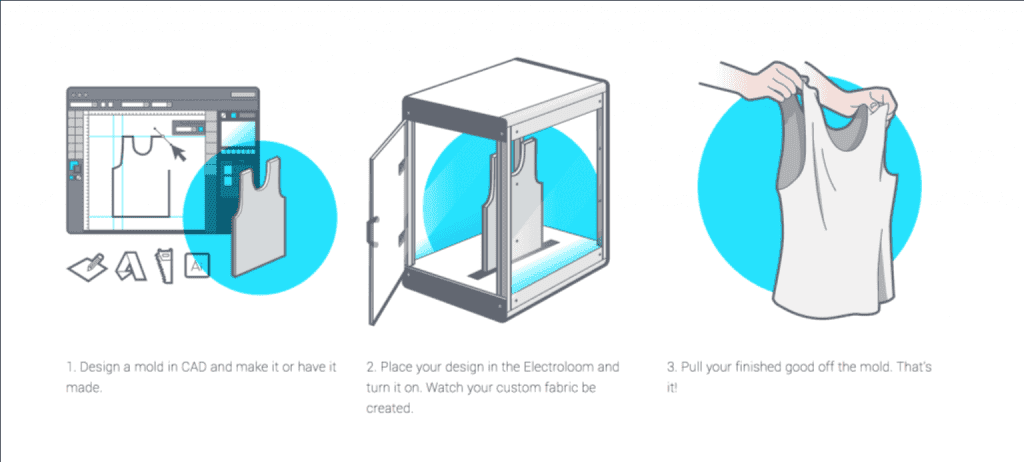
Revolutionizing the very threads of fashion, 3D printing technology is weaving its magic into textiles. Traditional fabric making is time-consuming. 3D printing speeds it up. This process creates three-dimensional objects layer by layer. Each layer is a thinly-sliced, horizontal cross-section of the eventual object. It means that designers can experiment with shape, structure, and material with unparalleled freedom.
- Complex designs come to life easily
- Sustainable materials reduce waste
- Customization becomes more accessible
The result? A blend of beauty and sustainability that pushes the boundaries of fashion and fabrication. Imagine clothes that fit perfectly because they are printed for your body. Gone are the days of one-size-fits-all. Each garment can be as unique as the person wearing it.
High Fashion Meets High Tech
In the intersection between fashion and high technology, 3D printed garments take center stage. Renowned fashion houses are already incorporating these futuristic fabrics into their collections. This marriage of disciplines heralds a new chapter in haute couture.
| Advantage | Impact on Fashion |
|---|---|
| Speed | Quicker production and prototyping |
| Customization | Personalized fits and designs |
| Innovation | New textures and forms |
Printed fashion is no longer limited to stiff and unwearable prototypes. We now see flexible and comfortable 3D printed textiles strut down the catwalk. Innovative materials give life to outfits that respond to movement and environment, shaping a world where our attire could interact with us and adapt according to our needs.
Mechanism Of 3D Printing Clothes
The world of fashion is undergoing a radical transformation with the advent of 3D printing technology. Imagine a future where clothes are printed on demand, perfectly tailored to your body, and constructed from materials of the future. This isn’t a fantasy; it’s the reality of 3D printed clothes. The mechanics behind this innovation are complex yet fascinating. They bridge the gap between digital artistry and physical creation, weaving new possibilities for bespoke fashion.
Materials Used In Fabric 3D Printing
3D printing clothes isn’t as simple as loading a spool of filament into your home printer. The materials used must be flexible, durable, and comfortable against the skin. Let’s delve into the world of materials suitable for fashion innovation:
- Polylactic Acid (PLA): derived from corn, this material provides a biodegradable option.
- Thermoplastic Polyurethane (TPU): TPU is stretchable and resilient, making it a strong candidate for wearables.
- Flexible Polyester: This material offers the necessary flexibility with a cloth-like feel.
As research progresses, we discover new materials that blend the printability of plastics with the comfort of textiles, promising a future where the clothes we wear are as unique as our fingerprints.
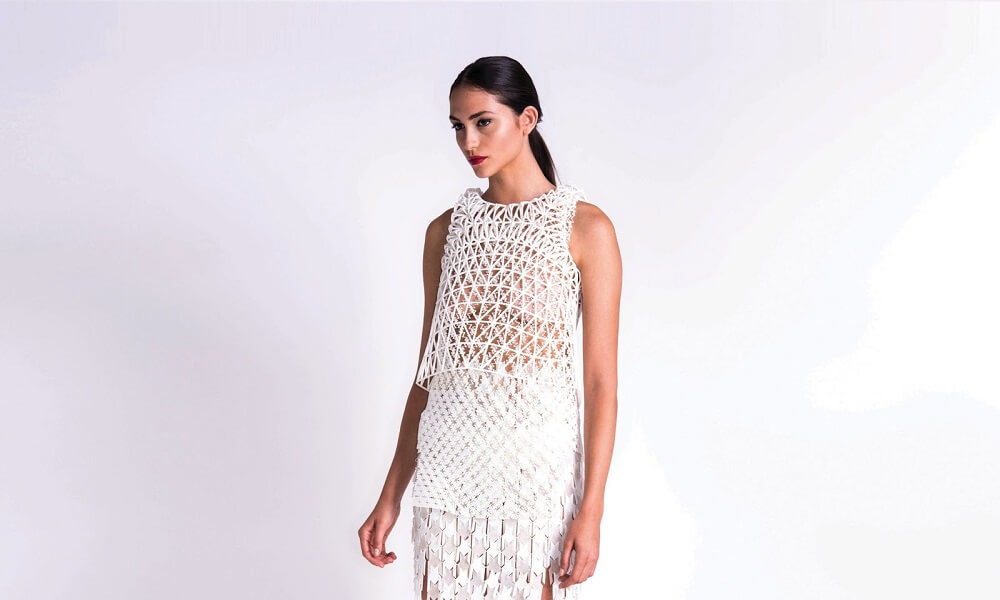
From Digital Design To Tangible Garments
The journey from a digital blueprint to a wearable garment is nothing short of extraordinary:
- A designer crafts a 3D model using specialized software.
- The design is then sliced into printable layers.
- The 3D printer painstakingly builds the garment, layer by layer.
- Once the printing is complete, any additional post-processing is done to give the garment its final, wearable form.
This process not only revolutionizes how clothes are made but ushers in an era of personalized fashion, providing a new dimension to ‘fast fashion’, and making it sustainable and innovative.
Benefits And Challenges Of 3D Printed Apparel
The fusion of fashion and technology reveals an alluring promise as 3D printed apparel emerges on the horizon. Inventive minds are weaving the future of clothing one layer at a time, crafting garments that push the boundaries of personal expression and eco-conscious design.
Customization And Sustainability Advantages
3D printing offers unparalleled customization. With this technology, designers can create garments that are tailored to the individual’s measurements and style preferences. The precision of 3D printing means that every piece fits perfectly, reducing waste caused by unsold inventory and ill-fitting returns.
- Exact fits reduce fabric waste
- On-demand production lessens overstock
- Material innovation enhances eco-friendliness
Materials commonly used in 3D printing, like PLA, are often biodegradable or recyclable, fostering a more sustainable approach to fashion production and consumption.
Current Limitations And Production Hurdles
Despite the exciting benefits, 3D printed clothing faces several challenges. The current speed and scale at which clothing can be produced are less efficient compared to traditional methods. Another concern is the textile feel of printed garments, which often lack the softness and drapability of woven fabrics.
| Challenge | Details |
|---|---|
| Production Speed | Slower than conventional manufacturing |
| Material Restrictions | Polymers used may not suit all styles |
| Cost Effectiveness | Higher costs for consumers due to technology |
Innovation in 3D printing technology continues to chip away at these barriers, making the dream of a fully customizable and sustainable wardrobe an ever-closer reality.
Future And Impact On The Fashion Industry
The fashion industry has its eyes set on a transformative horizon, namely the potential of 3D-printed clothes. This innovation stands to revolutionize the way fashion operates, creating a new realm of possibilities for designers, manufacturers, and consumers alike. As we stitch together a future influenced by this technology, the industry anticipates a wave of change that will reshape our understanding of clothing production and consumption.
Evolving Consumer Expectations
Today’s consumers crave personalization, sustainability, and instant gratification. 3D printing in fashion aligns perfectly with these desires. The ability for customers to have clothes custom-fitted to their body shape is groundbreaking. Materials used in 3D printing can also be eco-friendly, helping reduce waste in the production process. The on-demand nature of 3D printing means no excess inventory—every product has a predetermined owner. These factors not only satisfy consumer demands but also drive the industry towards a greener future.
- Customization: Tailor-made fits based on individual body scans
- Eco-friendly materials: Potential to use biodegradable or recycled plastics
- Production on demand: Reducing fashion’s carbon footprint by minimizing waste
The Path Toward Mainstream Adoption
For 3D-printed clothing to become a mainstay, several milestones must be achieved. The technology needs to advance in speed and material diversity. The cost of production must come down to be competitive with traditional manufacturing. As these pieces fall into place, we’ll likely witness early adopters within high fashion and bespoke tailoring leading the charge, setting the trend for the wider market.
| Adoption Factor | Importance |
|---|---|
| Technology Advancements | Crucial for versatility and quality |
| Cost Reduction | Key for consumer affordability |
| Market Leaders | High fashion brands can inspire broader adoption |
As adoption grows, we can expect education and collaboration across various sectors to play a pivotal role. Fashion and technology schools may offer new courses, while traditional brands could partner with tech firms. These synergies will foster an environment conducive to innovation, propelling 3D-printed fashion toward a mainstream future.
- Integration of 3D printing in fashion curriculums
- Collaborations between designers and tech companies
- Increased consumer exposure through media and influencers
Frequently Asked Questions For Can 3D Printer Print Clothes?
Can I Print Clothes With 3D Printer?
Yes, you can print clothes using a 3D printer designed for fabricating textiles, often employing materials like flexible filaments or polymers.
Can 3D Printers Print Fabric?
3D printers can produce fabric-like structures by printing flexible materials in interlinked patterns, resembling textile characteristics. It’s a developing technology with potential for customizable clothing production.
What Material Is Used For 3D Printing Clothes?
Materials used for 3D printing clothes include flexible filaments like TPU, PLA blends, and advanced fabrics embedded with nylon. New technologies employ sustainable bio-fabrics for eco-friendly options.
What Am I Not Allowed To 3D Print?
You are prohibited from 3D printing copyrighted, patent-protected items, weaponry, unsafe objects, and illegal items. Abide by local laws and regulations while utilizing 3D printing technology.
Conclusion
3D printing of clothing is no longer just futuristic conjecture. It’s an emerging reality transforming the fashion industry. The technology’s potential for customization and sustainable production is staggering. As developments continue, we might soon wardrobe ourselves straight from our 3D printers.
Embrace this innovative journey; the fabric of our clothing habits is changing!