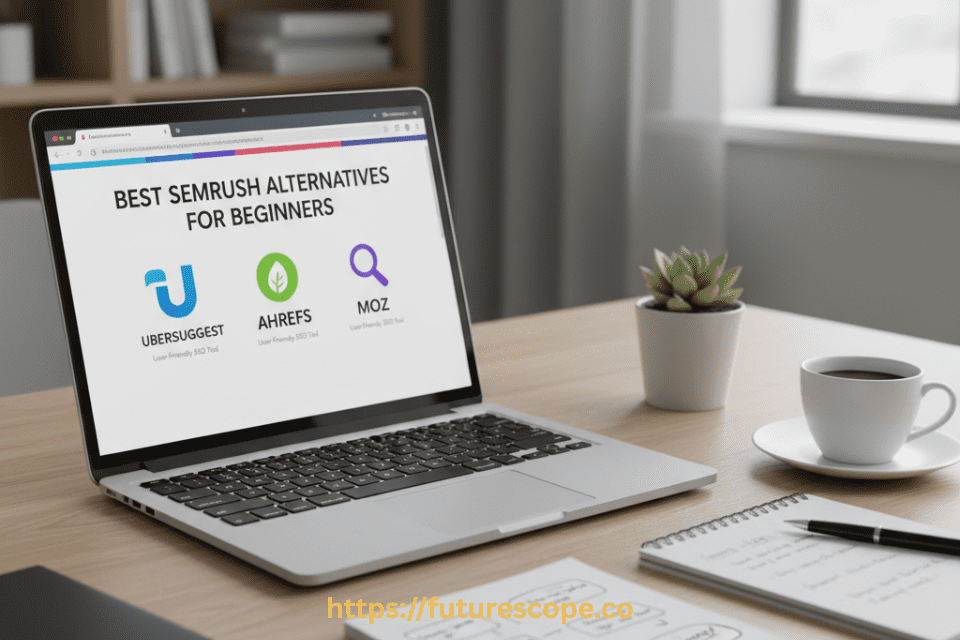

SEMrush is a powerful SEO tool. It offers keyword research, site audits, backlink analysis, and more. But for beginners, it can feel overwhelming. It’s also expensive. If you’re just starting out, you may not need all its features. Luckily, there are great alternatives that are easier to use and more budget-friendly.
In this guide, we’ll explore the best SEMrush alternatives for beginners. These tools are simple, effective, and perfect for learning SEO without breaking the bank.
Why Look for SEMrush Alternatives?
Before diving into the list, let’s understand why beginners might want an alternative to SEMrush:
- High cost: SEMrush starts at $139.95/month.
- Complex interface: It has many features that can confuse new users.
- Too advanced: Beginners may not need enterprise-level tools.
- Better niche tools: Some alternatives focus on specific tasks like keyword research or content optimization.
Choosing the right tool depends on your goals. Whether you’re a blogger, small business owner, or freelancer, there’s an option for you.


Comparison Table: Top SEMrush Alternatives for Beginners
| Tool Name | Best For | Key Features | Pricing | Ease of Use |
|---|---|---|---|---|
| Answer Socrates | Question-based keyword research | Real user questions, topic clustering | Free & Paid | ⭐⭐⭐⭐⭐ |
| LowFruits | Easy-to-rank keywords | Weak SERPs, low-authority site targeting | Affordable | ⭐⭐⭐⭐ |
| Ubersuggest | All-in-one SEO tool | Keyword research, site audit, traffic analysis | Free & Paid | ⭐⭐⭐⭐ |
| SEOBoost | Content optimization | Content scoring, keyword suggestions | Paid | ⭐⭐⭐⭐⭐ |
| SE Ranking | Site audits & tracking | Keyword tracking, backlink monitoring | Flexible plans | ⭐⭐⭐⭐ |
| Mangools | Visual SEO tools | KWFinder, SERPChecker, LinkMiner | Paid | ⭐⭐⭐⭐⭐ |
| Ahrefs Webmaster Tools | Free technical SEO insights | Site audit, backlink analysis | Free | ⭐⭐⭐⭐ |
| Moz Pro | Learning SEO | Keyword explorer, rank tracking, link analysis | Paid | ⭐⭐⭐⭐ |
1. Answer Socrates – Best for Keyword Research
Answer Socrates is a simple tool that helps you find real questions people ask online. It’s perfect for content creators and bloggers.
Key Features:
- Discover question-based keywords
- Cluster keywords by topic
- Easy-to-use interface
- Affordable pricing
This tool is great for planning blog posts and targeting long-tail keywords. It doesn’t overwhelm you with data. Instead, it gives you clear ideas for content.
2. LowFruits – Best for Finding Easy-to-Rank Keywords
LowFruits is designed for beginners who want to rank fast. It helps you find keywords with low competition.
Key Features:
- Finds weak spots in search results
- Highlights low-authority competitors
- Simple keyword analysis
- Affordable plans
LowFruits is ideal for bloggers and niche site owners. It shows you where you can outrank others without needing backlinks.
3. Ubersuggest – Best All-in-One Free Tool
Ubersuggest is one of the most beginner-friendly SEO tools. It was created by Neil Patel and focuses on simplicity. You can do keyword research, site audits, and backlink tracking in just a few clicks.
Key Features:
- Keyword research
- Site audit
- Backlink analysis
- Traffic overview
Ubersuggest has a free version with generous limits. It’s great for beginners who want to explore SEO without spending money.
Why it’s good for beginners:
Ubersuggest’s dashboard is clean and easy to understand. You don’t need technical SEO knowledge to use it. Plus, the free plan gives you enough data to start optimizing your website.
4. SEOBoost – Best for Content Optimization
SEOBoost focuses on helping you write better content. It’s perfect for bloggers and writers who want to improve their SEO.
Key Features:
- Content scoring
- Keyword suggestions
- Competitor content analysis
- Easy integration with Google Docs
If you struggle with writing SEO-friendly articles, SEOBoost can guide you. It’s beginner-friendly and helps you improve your rankings.
5. SE Ranking – Best for Site Audits and Tracking
SE Ranking is a full-featured SEO platform that’s more affordable than SEMrush. It’s great for beginners who want to track progress.
Key Features:
- Keyword tracking
- Site audit
- Backlink monitoring
- Competitor analysis
SE Ranking offers flexible pricing. You can choose how many keywords you want to track. It’s a good balance of features and simplicity.
6. Mangools (KWFinder + SERPChecker) – Best for Visual Learners
Mangools offers a suite of tools designed with beginners in mind. Its main tools — KWFinder, SERPChecker, SERPWatcher, and LinkMiner — cover all SEO needs in a very user-friendly way.
Key Features:
- KWFinder for keyword research
- SERPChecker for competition analysis
- LinkMiner for backlinks
- SiteProfiler for domain insights
Mangools is beginner-friendly and offers clear data. It’s great for learning SEO step by step.
Why it’s good for beginners:
Mangools stands out for its beautiful design and simple dashboard. It explains every metric in plain language. You can quickly find low-competition keywords and track your results easily.
7. Ahrefs Webmaster Tools – Best Free Technical SEO Tool
Ahrefs is a big name in SEO, and while its full version is expensive, Ahrefs Webmaster Tools is completely free. It helps you monitor your site performance, backlinks, and keyword rankings.
Key Features:
- Site audit
- Backlink analysis
- Keyword tracking (limited)
- Crawl errors and suggestions
If you’re just starting out, Ahrefs Webmaster Tools give you a taste of advanced SEO without the cost.
Why it’s good for beginners:
AWT is simple yet powerful. It gives you real data about your site and shows you what to improve. You can also connect it with Google Search Console for deeper insights.
8. Moz Pro – Best for Learning SEO
Moz Pro is another big name in SEO. It’s slightly more expensive than some alternatives but offers great educational resources.
Key Features:
- Keyword explorer
- Site audit
- Rank tracking
- Link analysis
Moz also has a free MozBar Chrome extension. It shows domain authority and page metrics. Moz is great for beginners who want to learn SEO theory and practice.
Why it’s good for beginners:
Moz has strong learning materials and beginner tutorials. The tool interface is less overwhelming than SEMrush, making it perfect for small business owners or bloggers just starting out.
9. Serpstat
Serpstat is an all-in-one SEO platform that offers features similar to SEMrush but at a lower cost. It’s ideal for beginners who want to grow into more advanced SEO over time.
Key Features:
- Keyword research and tracking
- Site audit and on-page SEO suggestions
- Backlink analysis
- Rank tracking and competitor insights
Why it’s good for beginners:
Serpstat has an easy interface and provides step-by-step SEO reports. You can start small and later explore more advanced features as your skills improve.
10. SpyFu
SpyFu is a good choice for those who want to focus on competitor research and paid keywords. It’s simple to use and gives you insights into what others are doing successfully.
Key Features:
- Competitor keyword analysis
- PPC and SEO tracking
- Keyword ranking history
- Domain overview with traffic insights
Why it’s good for beginners:
SpyFu presents data in visual charts and reports. It’s great for users who want to learn by watching how competitors succeed in Google rankings.
11. RankIQ
RankIQ is made for bloggers and content creators who want to write SEO-optimized articles fast. It suggests keywords and helps you optimize your content easily.
Key Features:
- Pre-analyzed keyword library by niche
- SEO content optimizer
- AI-based title and outline suggestions
- Content grading system
Why it’s good for beginners:
You don’t need SEO experience to use RankIQ. It guides you through writing blog posts that rank faster. It’s especially great for WordPress bloggers who want simple, guided SEO help.
How to Choose the Right SEMrush Alternative?
With so many options, how do you pick the best one? Here are some tips:
1. Define Your Goals
Are you focused on blogging, e-commerce, or local SEO? Choose a tool that fits your needs.
2. Start with Free Tools
Try free versions first. Tools like Ubersuggest and Ahrefs Webmaster Tools offer great value.
3. Look for Simplicity
Avoid tools with complex dashboards. Choose ones with clean interfaces and clear instructions.
4. Check for Support and Tutorials
Good support helps you learn faster. Look for tools with guides, videos, and active communities.
5. Consider Your Budget
Don’t overspend. Many tools offer plans under $50/month. Some are even free.
Features to Look For in Beginner SEO Tools
When comparing tools, focus on these beginner-friendly features:
- Keyword research: Helps you find what people search for
- Site audit: Shows technical issues on your site
- Backlink analysis: Tracks who links to you
- Rank tracking: Monitors your keyword positions
- Content optimization: Improves your writing for SEO
You don’t need all features at once. Start with the basics and grow over time.
Getting Started with Your Chosen Tool
Once you pick a tool, here’s how to get started:
Step 1: Create an Account
Sign up for a free trial or free version.
Step 2: Add Your Website
Most tools ask for your domain to start tracking.
Step 3: Run a Site Audit
Check for technical issues like broken links or slow pages.
Step 4: Do Keyword Research
Find keywords related to your niche. Focus on low-competition terms.
Step 5: Track Your Progress
Monitor rankings and traffic. Adjust your strategy based on results.
Final Thoughts
SEMrush is a great tool, but it’s not the only option. For beginners, simpler and cheaper tools can be more effective. Whether you’re a blogger, freelancer, or small business owner, there’s an SEO tool that fits your needs.
Start with a free or low-cost option. Learn the basics. Focus on keyword research, content creation, and site health. As you grow, you can explore more advanced tools.
Remember, SEO is a journey. You don’t need to master everything at once. Pick a tool that helps you take the first step—and enjoy the process.
Frequently Asked Questions (FAQ)
1. Why should beginners look for SEMrush alternatives?
SEMrush can be expensive and complex for beginners. Alternatives offer simpler interfaces and affordable pricing, making them ideal for learning SEO.
2. What is the best free SEMrush alternative?
Ubersuggest is one of the best free alternatives. It offers keyword research, site audits, and traffic analysis with a user-friendly interface.
3. Which SEMrush alternative is best for keyword research?
Answer Socrates and LowFruits are excellent for keyword research. They help find long-tail and low-competition keywords ideal for beginners.
4. Are SEMrush alternatives suitable for bloggers?
Yes, many alternatives like SEOBoost and Mangools are designed with bloggers in mind. They help optimize content and track rankings easily.
5. Can I track competitors with SEMrush alternatives?
Tools like SE Ranking and Moz Pro allow you to monitor competitor performance, keyword rankings, and backlink profiles.
6. Do SEMrush alternatives offer site audits?
Yes, most alternatives like SE Ranking, Ubersuggest, and Ahrefs Webmaster Tools provide site audit features to identify technical SEO issues.