

Sublimation printers are worth the money for businesses and hobbyists looking for high-quality, durable prints on a variety of materials. They offer vibrant colors and long-lasting results for customized items.
Exploring the realm of printing technology, sublimation printers stand out for their unique ability to transfer dye onto materials like fabric and ceramics with exceptional clarity and color fidelity. This investment proves essential for entrepreneurs aiming to deliver premium, personalized products that stand the test of time.
Craft enthusiasts also benefit from the versatility these printers bring to their projects, allowing for endless creativity. Their cost-effectiveness over time due to the minimal waste and energy efficiency makes sublimation printers an attractive choice for those intending to produce consistently high-standard print items at a reasonable cost. Thus, while the initial purchase may be substantial, the expansive range of applications and superior print quality can make sublimation printers a worthwhile investment.
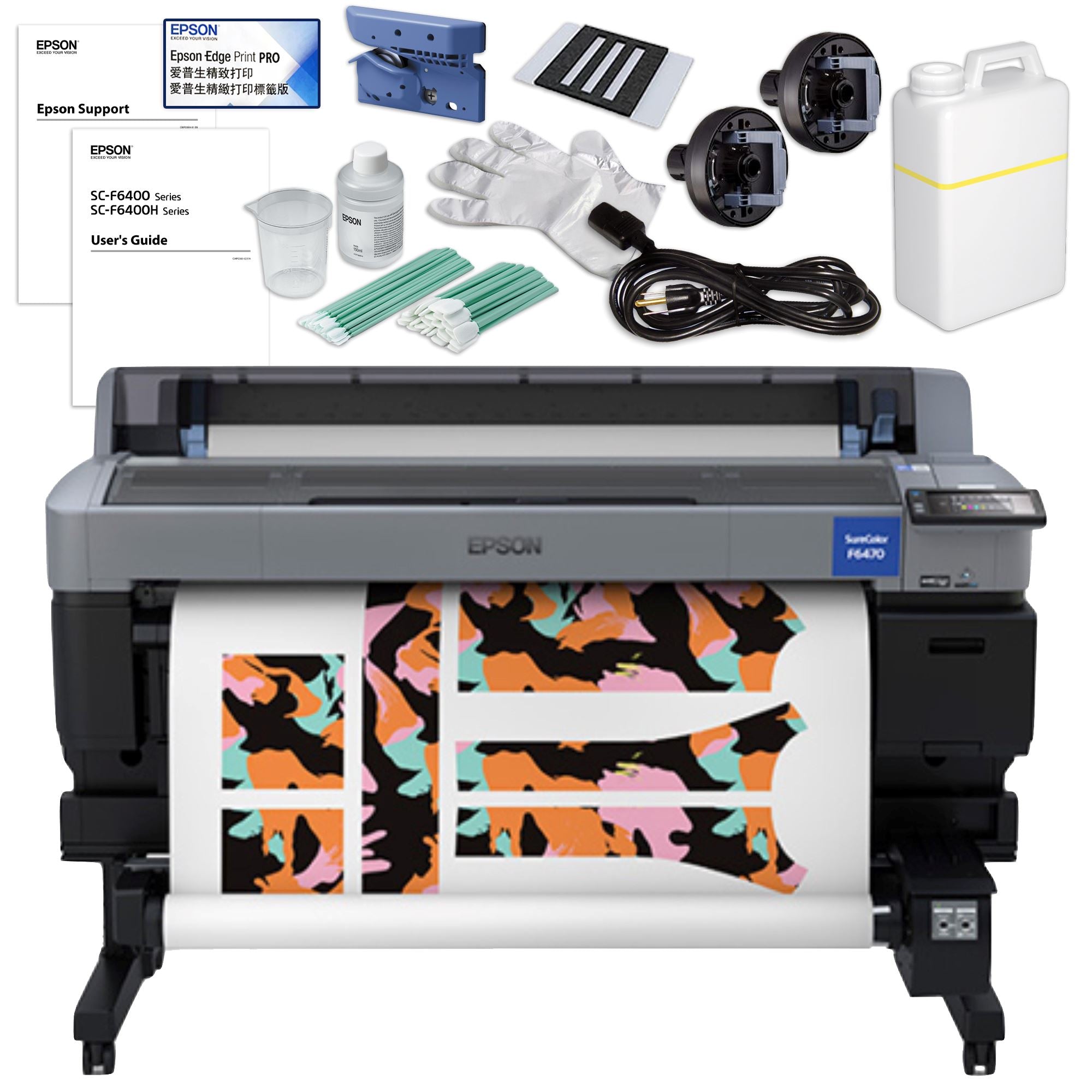
The Basics Of Sublimation Printing
Sublimation printing is a popular method used to transfer vivid and long-lasting graphics onto a variety of materials. This technique is unique because it shifts from a solid state to a gas without becoming liquid. This results in stunning, high-quality images that don’t fade or crack over time. Perfect for customized gifts, like mugs and t-shirts, sublimation printers are becoming a favorite in creative markets. Let’s dive deeper into the mechanics of sublimation printing.
How Sublimation Printing Works?
Sublimation printing involves a few critical steps. Initially, designs are printed on special sublimation paper using sublimation ink. This is then transferred to the desired object with a heat press. Under intense heat, the ink turns into a gas and infuses the item’s fibers. Once cooled, the print becomes part of the material, leading to durability and vibrant colors. Here’s a quick look at the process:
- Print the design: On sublimation paper using specific ink.
- Heat press: Apply to desired item.
- Ink becomes gas: Bonds with material.
- Cool down: Print solidifies as part of the item.
Comparing Sublimation To Other Printing Techniques
When considering sublimation printers, it’s helpful to compare with other printing methods. Below is a simple comparison table outlining key differences.
| Printing Technique | Quality | Durability | Cost |
|---|---|---|---|
| Sublimation | High-quality images | Very durable | Moderate to high |
| Screen Printing | Good for bulk orders | Varies with usage | Lower with high volume |
| Inkjet Printing | Decent for home use | Less durable | Lower |
| Laser Printing | Good for documents | Decent for text | Moderate |
Sublimation printers shine in producing unmatched image quality and resist fading over time. Other methods might be suitable for different purposes like bulk orders or document printing but may not offer the same vibrancy and longevity as sublimation.
Investing In A Sublimation Printer
Is it time to take your printing to the next level? Diving into the world of sublimation printers could be the game-changer. With these printers, customize almost anything. From mugs to t-shirts, transform your ideas into vibrant, long-lasting products. Let’s break down the costs and benefits.
Cost Analysis: Initial Outlay Vs. Long-term Savings
Sublimation printers require a significant upfront investment. Yet they open doors to savings down the line. Here’s why:
- Sublimation ink lasts longer than traditional ink
- Prints are less prone to fading, reducing reprint frequency
- Ability to print on demand saves on bulk inventory costs
A careful cost analysis can reveal how the initial outlay translates into future savings. Especially true for small businesses and creative entrepreneurs.
| Cost Factor | Initial Expense | Long-Term Savings |
|---|---|---|
| Sublimation Printer | High | High |
| Sublimation Ink | Medium | High |
| Substrate Materials | Varies | Medium |
| Maintenance | Low | Low |
Quality And Durability Of Sublimation Prints
Sublimation prints excel in quality and durability. Colors pop more vibrantly. They last longer even when exposed to sunlight and washing. Consider these benefits:
- Images won’t crack or peel
- Resistant to scratching
- Vivid color saturation
With a sublimation printer, create products that stand the test of time. Deliver quality that customers will love, again and again.
Practical Applications For Sublimation Printers
Sublimation printers are revolutionizing the way we print. They offer a versatile approach to printing, allowing stunning, high-quality images to transfer onto various items. These printers serve endless creative possibilities, both for businesses and hobbyists.
From T-shirts To Mugs: Range Of Sublimation Products
Sublimation printing isn’t limited to a single item. Here’s a glimpse of the items you can create:
- Apparel: Customized T-shirts, hoodies, and caps
- Accessories: Scarves, socks, and bracelets
- Homeware: Coasters, place mats, and blankets
- Merchandise: Phone cases, keychains, and mouse pads
- Drinkware: Mugs, water bottles, and tumblers
- Signage: Banners, flags, and signs
Commercial Use vs. Personal Projects
Commercial Use Vs. Personal Projects
When to choose a sublimation printer depends on your intended use. Here’s a quick comparison:
| Use Case | Benefits |
|---|---|
| Commercial | High demand fulfillment, bulk production, and professional quality |
| Personal | Custom gifts, unique items, and personal expression |
Commercial users benefit from the efficiency and cost-effectiveness for large orders. Individuals delight in the customizability for their projects.
Considering The Right Decision
Considering the Decision on whether a sublimation printer is a worthwhile investment requires careful analysis. It involves looking at both your specific needs and the potential financial benefits. Sharpen your pencils and let’s delve into the numbers and considerations that will guide you to a clear-cut decision.
Assessing Your Printing Needs
Before taking the plunge, evaluate what you’ll be printing. Sublimation printers are unique. They work best for certain materials and projects. Consider the following:
- Material Types: Fabric, ceramics, and more.
- Print Quality: Crisp images and vibrant colors are signatures.
- Volume: Ideal for both small and large batches.
Calculating The Return On Investment
Understanding the ROI is crucial. It answers the “Is it worth it?” question. Here’s a simple breakdown to calculate the ROI:
| Cost Element | Details |
|---|---|
| Initial Investment | Price of the printer and initial supplies |
| Running Costs | Ink, paper, maintenance |
| Product Output | Number of items produced |
| Revenue | Sales from printed items |
Subtract the total costs from the revenue to get your ROI. If the numbers shine, your answer is clear.
Frequently Asked Questions On Are Sublimation Printers Worth The Money?
Is It Worth Getting A Sublimation Printer?
Yes, investing in a sublimation printer is worth it for producing high-quality, durable prints on various materials, ideal for both hobbyists and small businesses.
What Are The Disadvantages Of Sublimation Printers?
Sublimation printers often have higher initial costs and require specific types of paper and substrates. They’re less effective on cotton and non-polyester fabrics. Limited to lighter-colored materials, color fidelity can vary, and they demand a well-ventilated space due to potential fumes.
Is It Better To Buy A Sublimation Printer Or Convert One?
Buying a dedicated sublimation printer is typically more reliable and efficient than converting a standard printer for sublimation.
Is A Sublimation Printer Better Than A Regular Printer?
A sublimation printer offers superior results for transferring vibrant, full-color images onto materials, unlike regular printers that are more suited for standard document printing.
Conclusion
Considering all factors, sublimation printers present a valuable investment for those prioritizing long-lasting prints and versatility in mediums. If your ventures demand high-quality imagery on varied surfaces, this technology proves its worth. Weighing your needs against the upfront costs will guide your choice in this innovative printing frontier.