
When people think of hacking, they usually picture stolen passwords, hijacked emails, or compromised bank accounts. But the next frontier of cyber warfare won’t just involve code and networks—it could involve the very code of life: human DNA. With the rise of biotechnology, genomic sequencing, and bioinformatics, DNA data has become both a treasure trove and a target. If your genetic code can be digitized, stored, and analyzed, it can also be hacked. That reality is no longer science fiction—it’s a looming security challenge that combines biology, technology, and cyber threats.
DNA as Data: Why It’s Hackable?
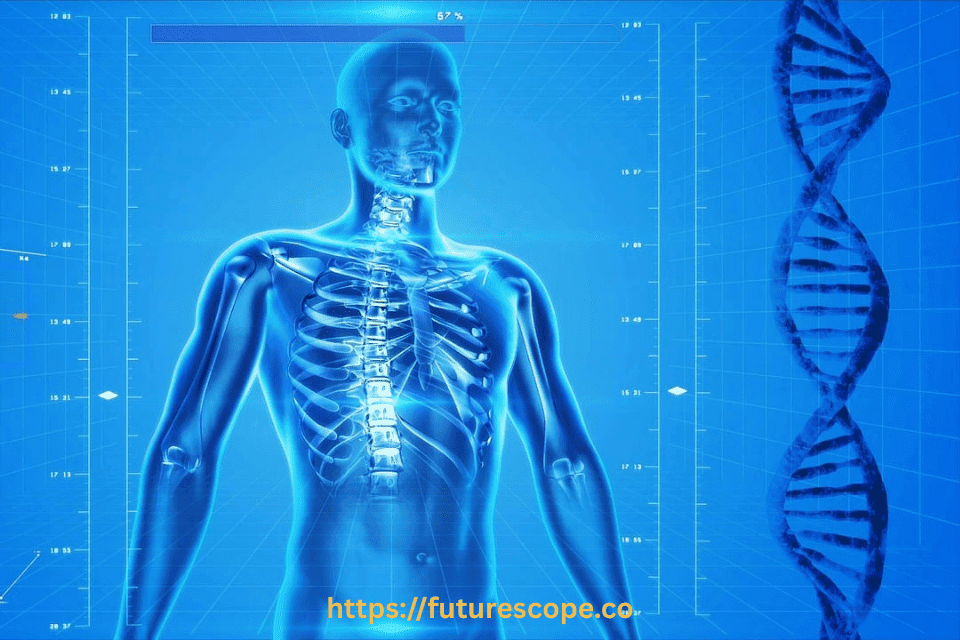
DNA is essentially information. It’s a biological storage system that encodes instructions for every cell in the human body. With the cost of genome sequencing dropping from billions of dollars in the early 2000s to under $1,000 today, millions of people are having their DNA analyzed for health insights, ancestry, or medical research.
Once sequenced, DNA is translated into digital data—long strings of A, T, C, and G. These files are uploaded to cloud servers, shared between labs, and processed with specialized software. And just like any digital file, DNA data is vulnerable to breaches, manipulation, or outright theft. In 2017, researchers at the University of Washington demonstrated that malicious software could be encoded into synthetic DNA. When that DNA was sequenced, the malware compromised the computer analyzing it. This was a proof of concept, but it showed that DNA can act as both biological material and a cyber weapon.
Why Hackers Want Your DNA?
Hacking DNA isn’t just about curiosity. Genetic data is valuable for several reasons:
- Identity Theft on Steroids: DNA is the most personal identifier possible. Unlike passwords or fingerprints, you cannot change your DNA. If stolen, it could be used for permanent identity profiling.
- Medical Exploitation: Insurers or employers could misuse genetic data to discriminate based on predispositions to disease. Hackers selling DNA data on black markets could feed these unethical practices.
- Targeted Bioweapons: In theory, DNA hacking could allow the development of genetic weapons aimed at specific groups or even individuals. If someone’s genome is known, vulnerabilities in their biology could be exploited.
- Pharmaceutical Espionage: DNA datasets are gold for biotech and pharmaceutical companies. Stolen genetic information could be used to fast-track drug development, undercutting competitors.
- Blackmail and Extortion: Sensitive genetic revelations—like hidden parentage, disease risks, or ancestry information—could be used to threaten individuals.
In short, DNA is both identity and blueprint. Whoever controls it has enormous leverage.
DNA Databases: The New Attack Surface!
Millions of people willingly send their saliva to consumer DNA testing companies like 23andMe or AncestryDNA. These companies hold massive databases of genetic information, which are prime targets for hackers. In 2023, a breach of 23andMe exposed millions of users’ data, including family connections and genetic traits. Though the company initially downplayed the scale, the breach confirmed that genetic databases are vulnerable.
Government DNA databases, used for law enforcement or national security, are even more sensitive. If hacked, they could expose genetic details of entire populations. The FBI’s Combined DNA Index System (CODIS) is one of the largest such databases in the world. Imagine the consequences if such a system were infiltrated—suspects could be framed, genetic evidence planted, or personal identities revealed.
DNA as a Cyber Weapon
The idea of weaponizing DNA isn’t purely hypothetical. Security experts warn of scenarios where malicious code could be hidden in genetic material, sabotaging research labs. Synthetic DNA strands could be designed to crash sequencing machines, corrupt medical studies, or alter bioinformatics results.
Beyond cyber attacks, hacked DNA data could guide precision bioweapons. Imagine a weapon engineered to exploit a genetic vulnerability common in one ethnic group but rare in others. This isn’t just sci-fi—it’s a nightmare scenario military planners quietly consider.
The Bio-Cyber Convergence
The hacking of DNA is part of a larger trend: the convergence of biology and digital technology. Bioinformatics, CRISPR gene editing, and personalized medicine all depend on massive computational power and cloud storage. Every link in this chain—sequencing machines, software, networks, and servers—is a potential weak spot.
This convergence means cybersecurity is no longer just an IT problem. It’s also a healthcare issue, a national security issue, and a human rights issue. Protecting DNA data requires coordination across governments, corporations, and research institutions.
How DNA Could Be Protected?
If DNA is the next battlefield, defenses must evolve now. Key strategies include:
- Encryption of Genomic Data: DNA files should be encrypted at every stage, from sequencing machines to cloud storage.
- Strict Access Controls: Only authorized personnel should access raw DNA data, with multilayer authentication.
- Air-Gapped Systems for Sensitive Data: The most critical DNA databases, like those held by governments, should be kept offline from the internet.
- Regular Security Audits: DNA labs and companies should be held to the same cybersecurity standards as banks or defense contractors.
- Ethical Oversight: Governments must set clear policies to prevent misuse of genetic data by corporations or foreign powers.
- Consumer Awareness: People should understand the risks before submitting DNA to commercial services. Once shared, genetic data can’t be “taken back.”
The Stakes Are Personal and Global
At its core, DNA hacking is unlike any other cyber threat because it involves the essence of who we are. Losing a credit card number is bad, but it can be changed. Losing a genome sequence means exposing your identity, your family connections, and your biological vulnerabilities—forever.
On a global scale, DNA hacking could trigger new forms of warfare and surveillance. Entire populations could be profiled or targeted. Pharmaceutical breakthroughs could be stolen, slowing medical progress. And genetic discrimination could resurface on a massive scale.
Conclusion: The Need for Urgency
The human genome was first sequenced just two decades ago. In that short time, it has gone from a scientific milestone to a commodity and now to a security risk. DNA is both treasure and target. As sequencing spreads and data piles up, hackers will follow.
The next cyber battlefield isn’t just in your phone, your laptop, or your smart home—it’s inside your cells. Protecting human DNA from hacking is one of the defining security challenges of the 21st century. The stakes couldn’t be higher, because unlike passwords, DNA is forever.