


AMD’s 7nm process offers improved efficiency and performance compared to Intel’s 14nm process. It provides better power consumption and higher transistor density.
AMD and Intel are fierce competitors in the semiconductor industry. AMD’s 7nm process technology has significantly advanced, providing a substantial leap in performance and efficiency over Intel’s 14nm process. This improvement results in better power efficiency, allowing for longer battery life and lower heat generation.
Enhanced transistor density also means more transistors can fit into the same chip area, leading to faster processing speeds and better overall performance. As a result, AMD’s 7nm process has gained a competitive edge, attracting users who demand high performance and energy efficiency in their computing devices.
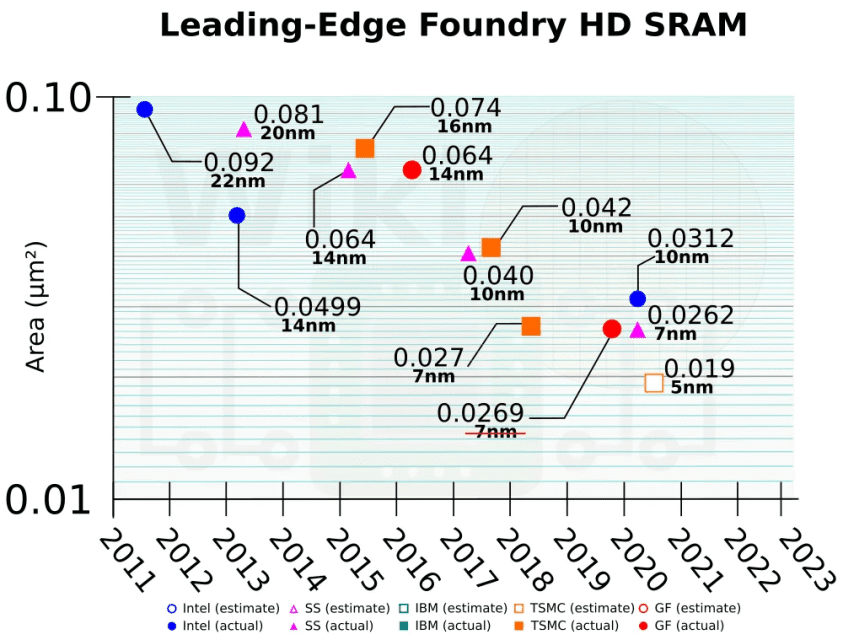
Basic Introduction To Semiconductor Technology
Semiconductor technology has shaped the modern world. It powers our devices. It drives innovation in many fields. From smartphones to supercomputers, semiconductors are essential.
Semiconductors are materials that conduct electricity. But they do this in a controlled way. This makes them vital for electronic circuits. Companies like AMD and Intel push the boundaries of this technology.
The Evolution Of Chip Manufacturing
Chip manufacturing has evolved rapidly. Early chips were large and slow. They consumed a lot of power. Over time, chips became smaller and more efficient.
The size of the transistors on a chip is crucial. Smaller transistors mean more power and efficiency. This is where the term ‘nanometer’ (nm) comes in. It refers to the size of these transistors. Smaller nm values indicate newer, better technology.
AMD’s 7nm process is a leap forward. Intel’s 14nm process is older but still relevant. Let’s explore these advancements in detail.
Key Players: Amd And Intel
AMD and Intel are leaders in semiconductor technology. They compete to make the best chips. Each company has its strengths.
| Company | Technology | Year Introduced |
|---|---|---|
| AMD | 7nm | 2018 |
| Intel | 14nm | 2014 |
AMD introduced its 7nm process in 2018. This was a significant achievement. Intel’s 14nm process came out in 2014. It was a big step at the time.
AMD’s 7nm chips are smaller and more efficient. They offer better performance and lower power consumption. Intel’s 14nm chips are older but still strong. They have been refined over the years.
The competition between AMD and Intel drives innovation. It leads to better products for consumers. Each company pushes the other to improve.
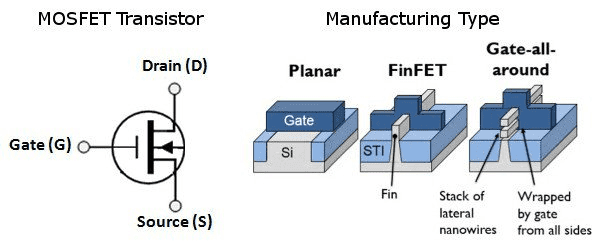
Decoding Nanometer Technology
The world of processors is fascinating. One key aspect is nanometer technology. Nanometer (nm) technology helps measure the size of transistors. Transistors are tiny switches inside processors. Smaller transistors lead to faster and more efficient processors.
The Significance Of Smaller Nodes
Smaller nodes mean more transistors fit on a chip. This boosts performance and efficiency. Smaller nodes also reduce power consumption. This leads to longer battery life. Devices run cooler with less heat. All this makes smaller nodes very important.
7nm Vs 14nm: What Does It Mean?
7nm vs 14nm is a big topic in tech. AMD uses 7nm technology. Intel uses 14nm technology. What’s the difference?
| Feature | 7nm | 14nm |
|---|---|---|
| Transistor Size | Smaller | Larger |
| Performance | Higher | Lower |
| Power Efficiency | Better | Less |
| Heat Generation | Less | More |
AMD’s 7nm process has smaller transistors. This leads to higher performance. Intel’s 14nm process has larger transistors. This results in lower performance. Smaller transistors in 7nm use less power. This makes them more efficient. Devices with 7nm chips stay cooler. Those with 14nm chips may get hotter.
In summary, 7nm technology is a big step forward. It offers better performance and efficiency. This makes devices faster and more power-efficient. Understanding nanometer technology is key in choosing the right processor.
AMD’s 7nm Breakthrough Opportunity
AMD’s 7Nm breakthrough has revolutionized the semiconductor industry. With this leap, AMD has set new standards in performance and efficiency. This advancement has significantly impacted the market dynamics.
The Launch Of 7nm Chips
AMD launched its 7Nm chips with the Ryzen 3000 series. This launch marked a significant milestone in the tech world. The 7Nm process offered greater transistor density. This enabled better performance and lower power consumption.
Intel, on the other hand, was still using the 14Nm process. This created a substantial gap between the two companies. AMD’s new chips quickly gained popularity among consumers and tech enthusiasts.
Benefits Over Previous Generations
AMD’s 7Nm process offers several benefits over previous generations. These benefits include:
- Increased Performance: The 7Nm chips deliver higher clock speeds.
- Lower Power Consumption: Reduced power usage leads to better efficiency.
- Enhanced Thermal Management: The smaller process size improves heat dissipation.
- Greater Transistor Density: More transistors fit on the chip, boosting performance.
These improvements make AMD’s 7Nm chips ideal for various applications. From gaming to professional workloads, the 7Nm process excels in performance. The benefits over previous generations are clear and significant.
Intel’s 14nm Chips: A Closer Look
Intel’s 14nm chips have powered many devices for years. These chips have undergone significant improvements. They are known for their stability and reliability. Let’s dive into the specifics of Intel’s 14nm process.
Development And Deployment
Intel’s 14nm process technology was first introduced in 2014. This marked a significant milestone for the company. The process involved shrinking the transistor size. Smaller transistors mean more can fit on a chip. This leads to better performance and efficiency.
The deployment of these chips began with Broadwell microarchitecture. They were later used in Skylake, Kaby Lake, and Coffee Lake CPUs. Intel made several refinements over the years. These improvements enhanced clock speeds and power efficiency.
Performance Benchmarks
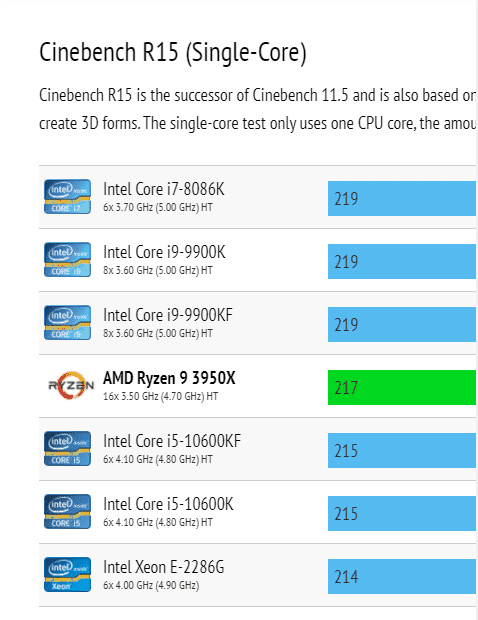
Performance benchmarks are crucial for understanding chip capabilities. Intel’s 14nm chips have shown strong performance in various tests. They offer excellent single-core performance. This is vital for tasks like gaming and everyday computing.
Here is a simple comparison table of Intel’s 14nm chips:
| Chip Series | Base Clock Speed | Turbo Boost Speed | TDP (Thermal Design Power) |
|---|---|---|---|
| Broadwell | 2.2 GHz | 3.6 GHz | 65W |
| Skylake | 2.7 GHz | 4.2 GHz | 91W |
| Coffee Lake | 3.6 GHz | 5.0 GHz | 95W |
Intel’s 14nm chips excel in power efficiency. They deliver more performance per watt. This is crucial for laptops and mobile devices. The chips manage heat well, ensuring long-term reliability.
In multi-core performance, Intel’s 14nm chips perform admirably. They handle multitasking with ease. This makes them suitable for professional workloads and gaming alike.
Performance Comparison: AMD’s 7nm process and Intel’s 14nm process
AMD’s 7nm process and Intel’s 14nm process are often compared. Let’s dive into how they differ in performance. This comparison covers speed, efficiency, energy consumption, and thermal management.
Speed And Efficiency
Speed and efficiency are key metrics for any CPU. AMD’s 7nm process offers higher transistor density. This allows for more processing power per chip. Intel’s 14nm process lags behind in this area. Lower transistor density means less processing power.
AMD’s chips can handle more tasks simultaneously. This makes them faster in multi-threaded applications. Intel’s chips struggle with high-demand tasks. They perform better in single-threaded applications.
| Feature | AMD 7nm | Intel 14nm |
|---|---|---|
| Transistor Density | Higher | Lower |
| Multi-thread Performance | Better | Worse |
| Single-thread Performance | Good | Better |
Energy Consumption
Energy consumption is critical for both desktops and laptops. AMD’s 7nm process is more energy-efficient. Lower energy use means longer battery life for laptops. It also translates to lower power bills for desktops.
Intel’s 14nm process consumes more energy. This results in shorter battery life and higher power costs. Efficient energy use is a significant advantage of AMD’s 7nm process.
Thermal Management
Thermal management affects both performance and longevity of CPUs. AMD’s 7nm process produces less heat. This makes it easier to cool and more reliable over time.
Intel’s 14nm process generates more heat. This requires better cooling solutions, which can be costly. Excessive heat can also shorten the lifespan of the CPU.
Keeping the CPU cool ensures consistent performance. AMD’s 7nm process excels in this aspect, offering better thermal management.
Impact On The Tech Market
The shift from Intel’s 14nm process to AMD’s 7nm process has created a significant impact on the market. This technological advancement has influenced market dynamics, consumer preferences, and enterprise decisions.
Market Share Shift
The introduction of AMD’s 7nm process has resulted in a notable market share shift. Intel’s dominance has been challenged, leading to a more competitive landscape.
- AMD has gained a larger portion of the CPU market.
- Intel’s market share has decreased in both consumer and enterprise segments.
This shift has led to increased competition, which benefits consumers through better pricing and innovation.
Consumer And Enterprise Response
Consumers have responded positively to AMD’s 7nm processors. These processors offer better performance and efficiency. This has made them a preferred choice for many users.
Enterprises have also shown a strong response. Many companies are switching to AMD for their data centers and workstations.
| Segment | Preference |
|---|---|
| Consumers | AMD 7nm for gaming and multitasking |
| Enterprises | AMD 7nm for server efficiency |
This broad acceptance has further solidified AMD’s position in the market. It has also pressured Intel to innovate and catch up with technological advancements.
Future Prospects
The battle between AMD’s 7nm process and Intel’s 14nm process is not just about current performance. It’s also about future possibilities. Both companies have plans that will shape the tech world. Understanding these future prospects can help us see which company might lead the way.
Next-generation Technologies
AMD’s 7nm process brings many benefits. It allows for higher performance and better power efficiency. This means AMD can create faster and more powerful chips. These chips also use less energy. Future devices will benefit greatly from this technology.
Intel’s 14nm process is older, but Intel has innovations too. They are working on new technologies to stay competitive. Intel’s future chips will focus on improving speed and reducing power consumption.
Amd And Intel’s Roadmap
Both AMD and Intel have detailed roadmaps. These roadmaps show their plans for future chips.
| Company | Current Process | Next Process | Expected Release |
|---|---|---|---|
| AMD | 7nm | 5nm | 2022 |
| Intel | 14nm | 10nm | 2022 |
AMD aims to move to a 5nm process. This will allow for even more efficient and powerful chips. AMD’s future chips will be smaller and faster. This will make them even more appealing for many uses.
Intel plans to shift to a 10nm process. This will help close the gap with AMD. Intel’s new chips will also see improvements in speed and efficiency.
- AMD: Focus on 5nm process, smaller and faster chips.
- Intel: Transition to 10nm, improve speed and efficiency.
Frequently Asked Questions
How Does AMD’s 7nm Compare To Intel’s 14nm?
AMD’s 7nm process offers higher efficiency and performance than Intel’s 14nm. It results in better power consumption and smaller chip size.
What Are The Benefits Of AMD’s 7nm Process?
AMD’s 7nm process provides improved energy efficiency, higher performance, and better thermal management. It also enables more transistors in a smaller area.
Is AMD’s 7nm Faster Than Intel’s 14nm?
Yes, AMD’s 7nm process is generally faster and more efficient compared to Intel’s 14nm. It allows for better overall performance.
Why Is AMD’s 7nm More Efficient?
AMD’s 7nm process is more efficient due to smaller transistor size. This leads to lower power consumption and higher performance.
Conclusion
AMD’s 7nm process offers significant advantages over Intel’s 14nm. It provides better performance, efficiency, and power consumption. For consumers seeking advanced technology, AMD’s 7nm is a compelling choice. As tech evolves, AMD’s innovation sets a high benchmark. Make an informed decision to enhance your computing experience.