


Yes, you can have a home security system without an internet connection. Many systems use cellular signals or landline connections instead.
Ensuring the safety of your home doesn’t necessarily rely on having an internet connection. A variety of non-internet-based home security systems are available, offering traditional methods to keep your property secured. They utilize technology such as cellular backup or landline to communicate with the monitoring services and authorities, thus avoiding the need for internet.
These alternatives are particularly appealing for areas with unreliable internet service or for individuals prioritizing privacy. Traditional home security systems can also be more reliable during power outages or in scenarios where internet connectivity might be compromised. Choosing a home security system without internet access can still provide peace of mind, knowing that your residence is safeguarded against potential threats.
The Basics of Internet-free Home Security
Believe it or not, having a secure home doesn’t always need Wi-Fi! Offline home security systems work without an internet connection. These systems ensure the safety of your home using traditional methods. This post will guide you through two main types of internet-free security options for your peace of mind.
Old-school Alarm Systems
Classic home security still stands strong. Think of loud alarms and direct lines to the police. Here’s what they offer:
- No Wi-Fi needed: Alarms sound off without internet.
- Direct Communication: Systems auto-dial emergency services.
- Power Outage Proof: They typically have battery backup.
An array of sensors and alarms form a reliable defense. They detect intrusions and alert with sirens. Traditional systems come in wired and wireless models. Some use cellular backup to contact the monitoring center.
The Rise of Standalone Security Devices
New tech brings new devices. Many standalone security appliances work well offline.
Consider these options:
| Device Type | Features |
|---|---|
| Door and Window Sensors | Alerts when opened. |
| Motion Detectors | Spot movement indoors. |
| Surveillance Cameras | Record without internet; view footage later. |
| Secure Locks | Keyless entry; use codes or fingerprints. |
These devices can sound alarms or store data locally. Local storage options like SD cards keep footage accessible. Standalone devices are great for areas with poor internet service. They also provide security without the risk of online hacking.
Consider The Pros And Cons
Choosing a home security system can be a balancing act between safety and convenience. Before you decide, let’s consider the benefits and drawbacks of going offline with your home security.
Enhanced Privacy And Reduced Hacking Risks
Offline systems often promise greater privacy. No internet connection means your security setup remains your eyes only. This approach limits exposure to potential cyber threats, making your system less vulnerable to hacking. Enjoy peace of mind knowing that your data won’t fall into the wrong hands due to online breaches.
Limitations In Features And Convenience
Yet, security without the internet has its downsides. You might miss out on remote access or real-time alerts to your phone. Picture a scenario where an alarm triggers, but you’re out, unaware of what’s happening at home. Advanced features like cloud storage for camera footage will also be off the table, leaving you with limited data storage options.
| Pros | Cons |
|---|---|
| Increased privacy | Missed real-time alerts |
| No risk of hacking | No remote system control |
| Peace of mind | Limited features |
In light of these points, reflect on what makes you feel most secure: A system that prioritizes privacy, or one that offers cutting-edge technology, albeit with dependence on the internet? Your choice should meet your security needs and lifestyle.
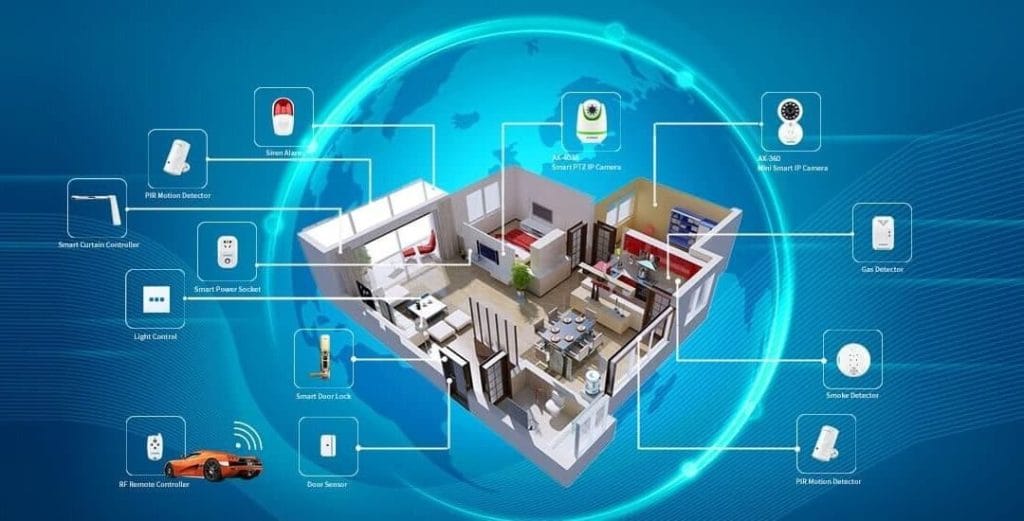
Essential Components of A Non-connected Security Setup
In today’s tech-savvy world, it may seem surprising that a home can remain secure without the need for an internet connection. Yet, it is entirely feasible and often a preference for homeowners concerned about digital vulnerabilities. A non-connected security setup relies on basic, yet robust, components that have stood the test of time. Let’s explore the heart of such systems that keep your sanctuary safe without a byte of data traversing the web.
Traditional Wired Alarm Systems
Traditional wired alarm systems are the cornerstone of a non-connected home security setup. These stalwarts don’t need Wi-Fi to keep a watchful eye over your home. Here are their key features:
- Control Panel: Acts as the system’s brain, managing all connected sensors and alarms.
- Sensors: Placed on doors and windows, they trigger the alarm when breached.
- Alarms: Loud sirens that alert homeowners and neighbors of an intrusion.
- Monitoring: A dedicated service can monitor these systems, contacting authorities if needed.
Alternative Power Sources For Reliability
Reliable power sources are vital for ensuring your home security system is operational 24/7. Here’s what can keep your system powered without fail:
- Battery Backup: Keeps the system up during power outages.
- Solar Panels: They can charge batteries, providing an eco-friendly power option.
- Generators: For extended outages, generators can power your home and security system.
With the right setup, peace of mind comes without the worry of internet disruptions or vulnerabilities. Protect your home with a solid, non-connected security system, and rest assured that your haven is safe.
Integrating Unconnected Systems And Smart Security
Home security doesn’t always need the internet. Unconnected systems work well too. They safeguard your home without relying on the web. This means they’re reliable even when your internet is down. But what if you want the best of both worlds? That’s where hybrid systems come in.
Hybrid Systems: Combining The Best Of Both Worlds
Hybrid systems mix traditional and smart security. This way, you get a dependable setup that’s smart but not fully web-dependent. Think of it as a safety net. When the internet fails, the basic alarm still works. Let’s break down how these systems can work for you:
- Alarm System: Works without internet, raising a local alarm.
- Smart Features: Uploads footage or sends alerts when the internet is back.
- Remote Control: Optional internet-enabled controls for when you’re away and online.
Future Technologies In Home Security
The future of home security looks bright and smart. New technologies are on the horizon. They promise even more security and ease of use. Let’s explore some futuristic features we might see:
| Tech | Benefit |
|---|---|
| AI detection | Smarter threat assessment |
| Autonomous drones | Personal security guards |
| Device integration | Smarter home networks |
Imagine a home that knows you. It will only alert you when there’s a real threat. These new technologies will make that possible. Your security system will get smarter, but it can still work without the internet.
Frequently Asked Questions Of Can I Have A Home Security System Without Internet?
Is There A Security System That Doesn’t Require Internet?
Yes, many traditional security systems operate without internet, utilizing landline connections or cellular backup for alerts and monitoring.
How Do I Set Up A Security System Without Internet?
Choose a standalone security system that doesn’t require internet. Purchase equipment like cameras and alarms that store data locally. Follow the manufacturer’s installation guide to set up your system, and regularly check the batteries or power supply to ensure continuous protection.
Do You Need Internet For Home Alarm?
Most home alarm systems require an Internet connection for remote monitoring and notifications. However, traditional systems can function using landline connections or cellular backup.
Will Ring Camera Work Without Internet?
No, a Ring camera requires an internet connection to transmit video and provide live streaming features. Without internet, it cannot function as intended.
Conclusion
Absolutely! A traditional home security system can provide safety even without internet access. Opting for a non-web-based solution means you’re not tied to web outages. Reliable alternatives like cellular or landline-backed systems ensure your peace of mind, proving protection is possible offline.
Secure your home, stay connected, and rest easy.