
Can chatbots and virtual assistants improve learner engagement in corporate training? Technology has become a game-changer for corporate learning and development. With this, chatbot and virtual assistants are becoming more and more powerful. They are changing the way learners access information and seek assistance. They made easy access and engaging learning possible whenever or wherever the learners needed.
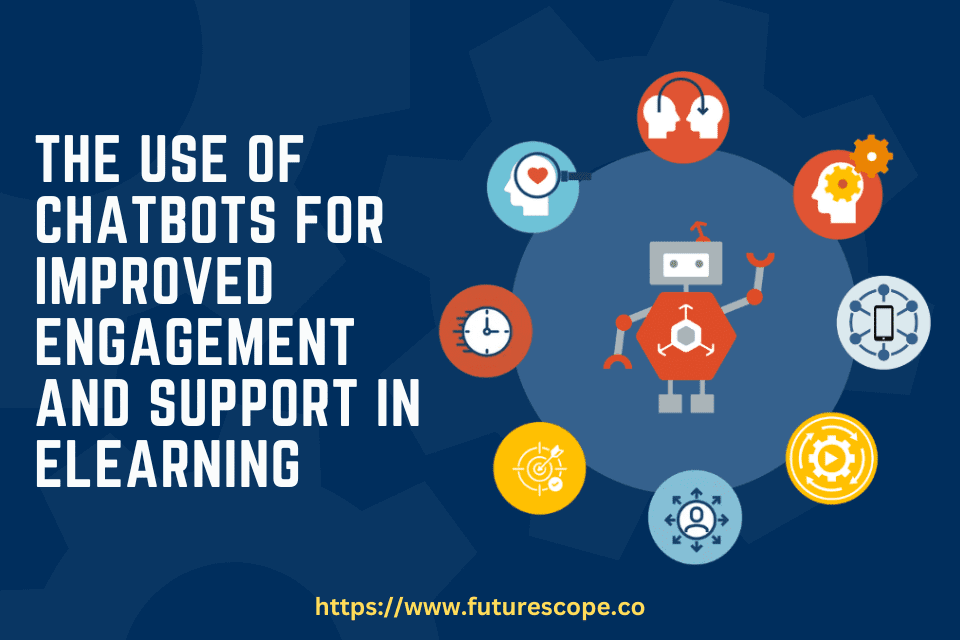
Chatbots and virtual assistants are what the future holds for AI in eLearning. This blog will explain how these powerful tools can help improve engagement and support in digital learning.
The Rise of Chatbots and Virtual Assistants:
Chatbots are gaining popularity across industries- customer service, healthcare, and educational institutions. In the case of corporate learning, most learners are adults, and they have to take time out of their busy schedules to learn things. These smart tools help solve queries quickly and efficiently. They fill the gap between learners and the vast pool of knowledge by providing instant responses and guidance.
1. Engaging and Interactive Learning:
Gamification features have been on the rise when we talk about digital learning. This feature includes quizzes, puzzles, challenges, and interactive elements. Using the gamification feature, chatbots can make learning more interactive and engaging. These AI-driven solutions make a dynamic and immersive experience by including multimedia content and interactive exercises. This helps catch learners’ attention and improves retention.
2. Personalized Learning Experiences:
Chatbots have many key advantages. One of those benefits is providing personalized learning experiences. It can make learning more unique for each learner. They understand individual learning styles, paces, and preferences. This way, they can provide the proper support to each learner. For example, if you like a topic, a chatbot can suggest related recommendations to check out and learn from.
3. Making Learning More Accessible:
In today’s digital era, most learners require various accessibility whenever needed. Chatbots can be programmed according to different needs and requirements. They can provide text-to-speech functionality and audio descriptions for visual content. They can also support specific learning difficulties and ensure the learning input is accessible.
Chatbots are not human instructors; they are software programming. So they can be available around the clock. Learners can access support and information whenever needed, even if they live in a different time zone or have a different schedule. This approach enhances the learning experience at modern workplaces.
4. Getting Rid of Administrative Burden:
Chatbots help businesses get rid of administrative burdens and make corporate training easy. It can handle administrative duties such as registration, scheduling, and providing logistical information. This helps businesses focus on higher-value tasks like developing curriculum, producing material, and conducting complex learning activities.
5. Instant Evaluation and Feedback:
Chatbots can give immediate feedback on tasks, tests, or assessments. It helps learners monitor their performance in real time. Immediate feedback encourages a more progressive and independent learning method. It allows learners to identify areas that need improvement quickly.
6. Informative Strategies for Continuous Development:
These chatbots provide information while interacting. This information can offer essential insights into learners’ preferences, behaviors, and areas where they might struggle. This approach helps in decision-making for instructional design. Learning materials and delivery strategies can be improved based on such information.
7. Language and Cultural Adaptability:
Chatbots can be designed with multilingual capabilities and cultural sensitivity. They can understand and speak to learners from all around the world. They can provide content in different languages and curate their response to align with cultural norms. For example, if someone speaks Spanish, the chatbot can solve their queries in Spanish. And if someone speaks in Chinese, they can switch to Chinese and reply accordingly. This approach makes learning more inclusive and accessible to different groups of people in a global workforce.
8. Transparency and Ethical Use:
Maintaining transparency about their capabilities and limitations is essential when using chatbots. Organizations should be upfront about the fact that the learners are interacting with AI-driven systems. It’s also essential to establish ethical guidelines for chatbot behavior. It ensures that they provide unbiased, accurate, and appropriate information. This promotes a positive learning experience by building trust between the technology and the learners.
The Future of AI Chatbots in eLearning:
AI technology is growing daily, and the potential of chatbots in eLearning is unlimited. Here are some exciting possibilities for the future:
- Natural Language Processing (NLP) Advancements:
Chatbots may become more and more capable of sophisticated NLP features in the future. It could help them to understand and respond to complex queries with high accuracy.
- Emotional Intelligence Integration:
Chatbots may evolve to recognize and respond to learners’ emotions. It will allow them to provide more empathetic responses and personalized learning experiences.
- Predictive Learning Pathways:
AI-powered chatbots may be able to forecast learners’ needs and recommend courses or learning materials even better before the learners ask a question.
Mistakes to Avoid While Implementing Chatbots:
Although chatbots have great potential for enhancing eLearning experiences, there are a few pitfalls to be aware of:
- Chatbots should be used to support human instructors, not to replace them entirely, because it might cause the learning process to lack empathy and a personal touch.
- The lack of training data can hamper a chatbot’s capability to understand and respond accurately. Spending time and effort educating the chatbot with relevant content and scenarios is essential.
- Chatbots need regular upgrades to stay relevant and practical. Neglecting regular maintenance might lead to outdated information and decreased user satisfaction.
- It’s essential to set clear expectations for users interacting with the chatbot. If users have unrealistic expectations about what the chatbot can do, they may become frustrated if they can’t meet those expectations.
Parting Thoughts:
Chatbots have become helpful learning companions in online training. They have changed how companies train employees by giving quick, personalized help. For a fast-moving business world, this has become crucial in corporate training. Businesses use these technologies to improve learning experiences and help their employees succeed in today’s competitive job market. Implementing artificial intelligence chatbots is a good idea for businesses wanting to succeed in corporate training. The possibilities for better learning and success are endless.