
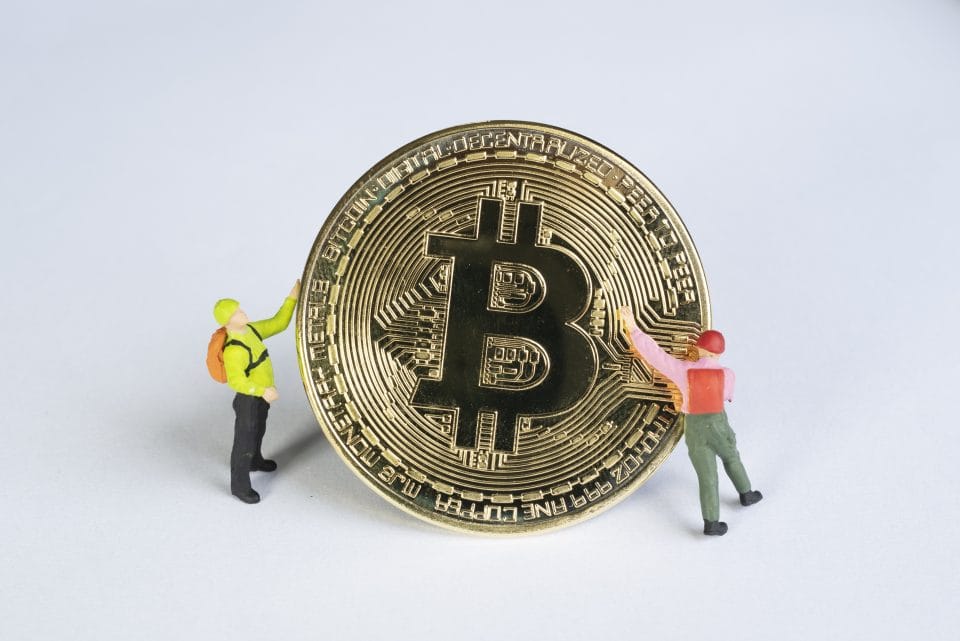

Bitcoin has had a difficult year, just as experts predicted in 2022. Unfortunately, the FTX exchange, as well as global macroeconomic conditions, affected Bitcoin, the biggest and most important cryptocurrency on the market. Even inflation and recession made investors lose their interest in crypto. On top of that, the SEC is looking to put more boundaries regarding what crypto exchanges can do, limiting their worldwide expansion since licensing is now required.
Overall, Bitcoin is facing numerous challenges, but it’s not the first time it has happened. Most likely, the price will go back up, and the market will thrive again at some point, but for now, short-term investors must get over this period to survive and protect their assets. Here’s why.
BTC STHs are losing their assets
Bitcoin short-term holders experienced considerable losses recently since the top-heavy market trend caught them by surprise. This means their assets are price sensitive, which pushes them into selling pressure. Of course, this event affects all types of investors, but it’s more evident to STHs because they’re the most speculative owners on the market.
It seems like this is the largest loss since March, but what will happen next is somehow a mystery. The BTC price dip led to an increase in difficulty for miners, while the price bounce and expected bull cycle are all impacting the market, so no strategy works best in these moments. However, what’s sure is that short-term holding is still dangerous.
Why is STH so risky?
Bitcoin is already a considerably volatile cryptocurrency, and despite its reliability proved during the years after its release, it can still be a risky investment. On top of that, when users choose short-term investing, they increase their exposure to losing their assets or value because prices change so fast, making predictions difficult to analyze. This uncertainty cannot be sustainable in the long term, and only experts in the crypto market might be able to face the dangers and also leverage quick returns.
While being knowledgeable and up-to-date with the latest news helps, sometimes it may be too late to change your strategy because, by the time you’ve heard about a price shift, there’s nothing left to do. This is why you must calculate your risk potential before trying this method.
Why long-term holding is simply better
Holding Bitcoin for the long term requires a lot of patience. Some holders and investors may not be able to get over FOMO and will simply sell or buy when the price goes down or up. While it’s difficult to keep a single strategy for longer, this is the ideal thing to do when it comes to investing in cryptocurrency.
Long-term crypto holding has the following benefits:
- It helps reduce the risk associated with investments;
- It has a greater potential return than short-term investments;
- It’s less stressful than STH because you don’t have to check the markets’ condition constantly;
Still, those who choose this investment method have to be serious about it and lock their funds for a long time until a decision is made. At the same time, investors must sell their assets at the right time because otherwise, they’ll simply waste all those months or years of holding their BTC.
What strategy is best for LTH?
If you choose to invest for an extended period, a few strategies can help you minimize risks and be a more mindful holder. At the same time, you’ll be more careful with how much you afford to lose, considering you’re in for the long run.
One of the most known long term crypto strategies is dollar-cost averaging. It implies investing in a specific amount of crypto during a set period, allowing you to spread your investments and avoid giving in all your money when prices are high.
There’s also staking, where you pledge your coins into the network to earn rewards for validating more transactions. Staking provides investors the chance to increase holdings passively for the long term. This strategy works better with cryptocurrencies that work on the PoS model compared to PoW.
Is long-term holding reliable for Bitcoin considering its limited supply of coins?
We already know that Bitcoin is close to its end, even if that end is supposed to happen around the year 2140. BTC has a maximum coin cap of 21 million, of which around 19 million have already been mined. We know that after all coins are mined, no new bitcoins will be issued, and miners will probably continue making income off transaction costs.
However, is it profitable to keep holding onto Bitcoin if it will have an end at some point? Because every halving occurs every four years, its price increases, as well as the mining difficulty. So, are there any benefits of keeping BTC until 2140 to leverage massive returns?
The answer isn’t easy to find because Bitcoin is still a new financial asset on the market. Despite its reliability proven during all these years, we still don’t know if BTC will even be present anymore in the following decades. That’s because regulation is still difficult to achieve, and numerous financial institutions don’t trust this digital asset.
At the same time, if you’re careful with how much you invest, there’s not much of a loss if you keep BTC for that long. After all, many investors have had Bitcoin since its release back in 2009 and have successfully withdrawn significant amounts of money. Others continue to value their portfolios by keeping as many bitcoins as possible. Still, what you need to remember is that investing in only one cryptocurrency isn’t safe, and you have to diversify your portfolio by also having Ethereum, for example.
Final considerations
Bitcoin short-term holders are challenged by the price slide, and they’re experiencing significant losses. Long-term investors aren’t untouchable, though, but considering their commitment to the currency and solid portfolios, consequences are difficult to spot in their wallets. It’s true that 2023 is a problematic year for Bitcoin, so investors should prepare themselves for further hardships in the crypto market.