
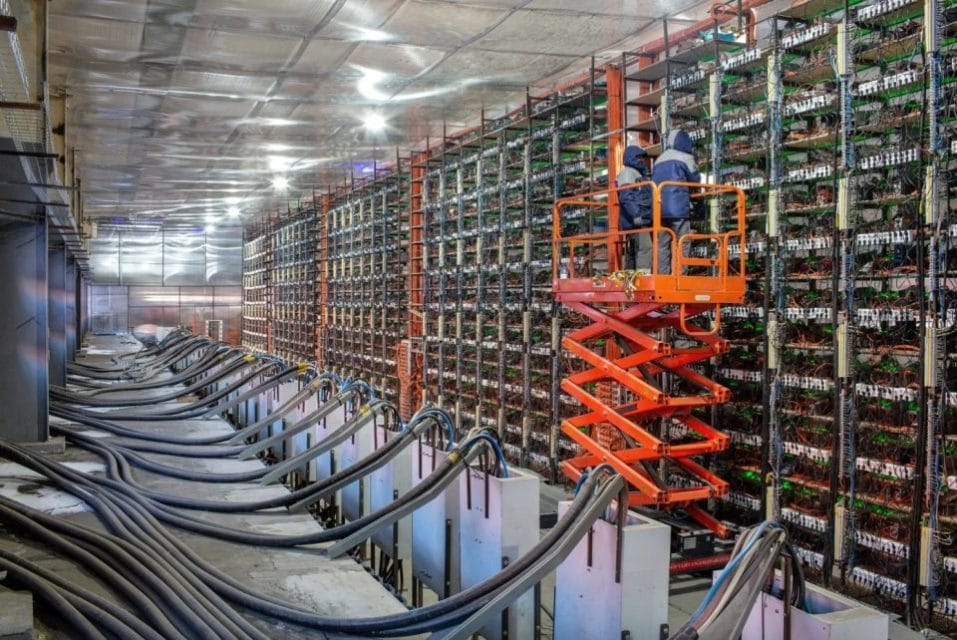

ASIC miners can be worth it in 2025 if they provide efficient energy usage and high profitability. Market conditions and electricity costs are crucial factors in determining their value.
Investing in ASIC miners is a strategic decision that hinges on the evolving landscape of cryptocurrency mining. As digital currencies continue to gain mainstream acceptance, the demand for mining equipment, such as ASIC (Application-Specific Integrated Circuit) miners, has surged. These specialized tools are engineered to optimize the mining of specific cryptocurrencies, offering superior efficiency and faster processing compared to general-purpose hardware like CPUs or GPUs.
A savvy investor will consider the competitive nature of mining, the potential for future coin value increases, and the availability of affordable electricity when deciding on the purchase of ASIC miners. With the right conditions, ASIC miners can continue to be a lucrative investment in the future of crypto mining.
What Are ASIC Miners?
ASIC miners are specialized hardware devices built specifically for mining a single algorithm — such as SHA-256 for Bitcoin or Scrypt for Litecoin. Unlike GPUs, which are versatile and can mine multiple algorithms, ASICs are optimized for speed and efficiency, making them the preferred choice for high-performance crypto mining farms.
Current State of ASIC Mining in 2025
ASIC mining continues to offer profitable opportunities in 2025, but its success is contingent on several critical factors. Profitability is primarily driven by electricity costs, cryptocurrency prices, and the efficiency of mining hardware. For example, the Bitmain Antminer S21 Pro, with a hash rate of 234 TH/s and an efficiency of 15 W/TH, consumes 3,510 watts and can generate approximately $11.75 daily at a Bitcoin price of $98,550 and electricity cost of $0.10 per kWh (ecos.am). In regions with lower electricity rates, such as Kazakhstan at $0.04/kWh, this miner can yield over $15 daily, while in high-cost areas like Germany at $0.35/kWh, it may result in losses.
Mining difficulty is another crucial factor. As more miners join the network, the difficulty increases, reducing individual rewards, particularly for those using older, less efficient equipment. Joining mining pools, such as NiceHash or F2Pool, is essential for consistent payouts, as solo mining often yields minimal returns (investopedia.com). The market growth of mining hardware, projected to increase by USD 2.80 billion with a CAGR of over 7% from 2020 to 2025, further underscores the ongoing relevance of ASICs (softwaretestinghelp.com).
Top ASIC Miners for 2025
Several ASIC models stand out as top performers for 2025, offering a range of options for both home and professional miners. Below is a table summarizing key models and their profitability metrics at an electricity cost of 6 cents/kWh:
| Model | Hash Rate | Efficiency (J/TH) | Power Consumption (W) | Daily Profit (6 cents/kWh) | Price Range |
|---|---|---|---|---|---|
| Bitmain Antminer S21 Pro | 234 TH/s | 15 | 3,510 | $7.80 | $1,320–$14,521 |
| MicroBT Whatsminer M60S | 120 TH/s | 21 | 2,520 | $5.22 | $540–$8,569 |
| Bitmain Antminer S19j Pro | 100 TH/s | 29.25 | 3,250 | $1.22 | Secondary markets |
| MicroBT Whatsminer M30S++ | 112 TH/s | 31 | 3,470 | $1.13 | Secondary markets |
| Canaan Avalon A1566 | 186 TH/s | 23 | 4,284 | $4.82 | $19.51/TH (ASIC Shop) |
| Bitmain Antminer S21 XP Hydro | 500 TH/s | 17.5 | 8,750 | $17.70 | Direct from Bitmain |
| Bitmain Antminer S19k Pro | 125 TH/s | 27 | 3,350 | $2.59 | $10.76/TH (ASIC Shop) |
| MicroBT Whatsminer M66S Immersion | 480 TH/s | 18.5 | 8,880 | $8.43 | Direct from MicroBT |
| Canaan Avalon A1566 Immersion | 300 TH/s | 20 | 6,000 | $7.22 | Direct from Canaan |
| Bitdeer Sealminer A2 | 200 TH/s | 20 | 4,000 | $7.05 | Direct from Bitdeer |
Additional models, such as the Innosilicon A10 Pro, are notable for altcoin mining, generating $34.78 daily for Ethereum with a payback period of 121 days (softwaretestinghelp.com). The ASICminer 8 Nano, with a noise level of 47db and a lifespan of 50,000 hours, is ideal for residential use, producing $13.87 daily for Bitcoin.
Current Market Trends For ASIC Miners
The market in 2025 is buzzing with diverse ASIC miner options. Brands have expanded their offerings, and prices vary widely.
| ASIC Miner Type | Price Range | Efficiency | Popularity |
|---|---|---|---|
| Entry-Level | $300 – $900 | Standard | High |
| Mid-Range | $900 – $2,500 | Good | Medium |
| High-End | $2,500+ | Excellent | Low |
Demand for ASIC miners continues to grow. Many opt for the entry-level miners to start their journey.
High-end models are for the more serious players, boasting top efficiency.
Comparing ASICs To Other Mining Hardware
ASIC miners outperform CPUs and GPUs in efficiency and hash rate, dominating Bitcoin mining with approximately 90% of the market share (ecos.am). GPUs, such as the RTX 3090 (120 MH/s, ~300W), are more versatile for altcoin mining but less efficient for Bitcoin, with costs ranging from $300 to $2,000. CPUs have minimal profitability and less than 1% market share, making them unsuitable for serious mining.
Performance Metrics: ASICs Vs GPUs Vs CPUs
Key performance metrics can determine the best mining hardware for you. ASICs, GPUs, and CPUs perform differently across various benchmarks.
| Hardware Type | Hash Rate | Power Consumption | Initial Cost |
|---|---|---|---|
| ASIC Miners | Highest | Low for hashes | High |
| GPUs | Moderate | Medium | Varies |
| CPUs | Lowest | High for hashes | Low |
ASIC miners outshine in hash rate and efficiency, leaving GPUs and CPUs behind. However, GPUs offer versatility, being useful beyond mining. CPUs lag in raw power but are accessible and affordable for hobbyists.
Pros And Cons Of ASIC Miners
ASIC miners offer a specialized approach to mining. They are tailor-made for specific crypto algorithms. Let’s delve into their advantages and challenges.
Pros of ASIC Mining in 2025
- High Hash Rate and Efficiency
ASIC miners like the Antminer S21 and WhatsMiner M60 now offer up to 200+ TH/s with impressive power efficiency under 20 J/TH, making them far more efficient than GPUs or CPUs for Bitcoin mining. - Lower Cost per Coin Mined
Despite high electricity costs, the efficiency of ASICs helps reduce the cost per mined BTC, making them competitive in regions with subsidized or renewable power sources. - Better Long-Term Profitability for Major Coins
For established proof-of-work (PoW) coins like Bitcoin or Litecoin, ASICs continue to dominate in terms of profitability and return on investment (ROI), especially when operated at scale.
Cons of ASIC Mining in 2025
- High Initial Investment
ASIC miners can range from $2,000 to $10,000+ per unit depending on the model and demand. This creates a high entry barrier for solo miners. - Limited Use Case
Unlike GPUs, ASICs are designed for specific algorithms only. If the coin becomes unprofitable or changes consensus mechanism (e.g., to proof-of-stake), ASICs can quickly become obsolete. - Heat, Noise, and Power Demands
ASICs generate substantial heat and noise, requiring industrial cooling solutions and 24/7 maintenance — not ideal for residential mining setups. - Regulatory Uncertainty
Several regions are cracking down on energy-intensive mining. In 2025, countries like China, parts of Europe, and U.S. states like New York have placed restrictions on mining operations due to environmental concerns.
Learn More >>> Is an ASIC Miner a CPU Or a GPU? <<<
Is ASIC Mining Profitable in 2025?
Profitability depends on several factors:
- Electricity Cost: Miners with access to electricity below $0.06/kWh still find ASICs profitable, especially when using solar, hydro, or geothermal energy.
- Bitcoin Price: A rise in BTC price can dramatically shift ROI timelines. At prices above $60,000 per BTC, ASIC mining remains highly lucrative.
- Difficulty and Halvings: The next Bitcoin halving in 2028 will reduce rewards, but in 2025, miners still earn 3.125 BTC per block, keeping profits stable for now.
- Location and Regulation: ASIC profitability favors jurisdictions with crypto-friendly policies and access to cheap, renewable power.
Investment Perspective On ASIC Miners
Exploring the world of cryptocurrency mining often leads to ASIC miners. These specialized devices draw attention due to their efficiency. With the constant evolution of the crypto market, it’s crucial to assess the value of such an investment. Let’s delve into the cost and returns of ASIC miners from an investment perspective.
Analyze Cost-Benefit
ASIC miners come with upfront costs and operational expenses. Thinking about investing? Consider these points:
- Initial price of the ASIC miner
- Electricity consumption rates
- Maintenance and potential downtime costs
- Crypto’s current value
Analyze each element carefully. A table below illustrates a simple breakdown:
| Expense Type | Cost |
|---|---|
| Hardware | $1,000 to $10,000+ per unit |
| Electricity per month | $100 to $300+ per miner |
| Maintenance per year | $50 to $200+ monthly |
Include these expenses to predict potential profits.
ROI Expectations In The Current Crypto Economy
Return on investment (ROI) is crucial. It shows how quickly you can earn back the initial costs. With the 2025 crypto economy, assess ROI like this:
- Study market trends
- Calculate daily mining output
- Subtract daily expenses
Daily earnings against expenses give a clear ROI timeline. The example below demonstrates a basic ROI calculation.
ROI (%) = (Net Profit / Investment Cost) x 100Net Profit: earnings after expenses. Investment Cost: initial ASIC miner price plus setup.
Achieving a positive ROI depends on crypto prices and mining difficulty in 2025. Analyze the market and update strategies regularly for the best outcome.
Expert Tips Before Buying ASICs in 2025
- Always calculate ROI using updated calculators like WhatToMine or NiceHash Profitability Calculator.
- Buy directly from trusted manufacturers (Bitmain, MicroBT) or verified distributors to avoid scams.
- Factor in cooling and maintenance costs, especially if deploying multiple units.
- Diversify by joining mining pools to reduce variance in earnings.
Future Trends in ASIC Mining
Several trends are shaping the future of ASIC mining in 2025 and beyond:
- Energy-Efficient Technologies: Newer models, like the Antminer S21 Pro, achieve efficiencies as low as 15 J/TH, reducing operational costs.
- Renewable Energy: Approximately 40% of mining operations used renewable energy in 2025, a trend expected to grow, enhancing sustainability and cost-effectiveness.
- AI Optimization: Artificial intelligence is being integrated to optimize mining operations, improving efficiency and profitability.
- Immersion Cooling: Advanced cooling solutions, such as those used in the MicroBT Whatsminer M66S Immersion, allow for higher hash rates and better efficiency.
Miners should stay informed about these trends and consider upgrading to newer models to remain competitive. Firmware enhancements, such as LuxOS for Antminer models, can further boost performance.

Frequently Asked Questions
Is It Worth It To Mine Crypto In 2025?
Crypto mining profitability in 2025 depends on electricity costs, equipment efficiency, and the market value of the cryptocurrency. It requires careful cost-benefit analysis.
What Is The Best Mining Setup In 2025?
The best mining setup in 2025 depends on profitability, energy efficiency, and hardware advancements. Opt for ASIC miners with high hash rates and low power consumption, paired with renewable energy sources for cost-effective, sustainable operations. Keep abreast of latest tech for competitive edge.
Can You Mine Ethereum 2025?
As of Ethereum’s move to proof-of-stake in 2022, you cannot mine Ethereum in 2025. Ethereum mining is obsolete, replaced by staking for network validation and rewards.
Will Bitcoin Mining Be Profitable After Halving?
Bitcoin mining profitability post-halving can decrease due to reduced rewards, but this may be offset by increases in Bitcoin’s value and mining efficiencies.
Conclusion
For miners with access to cheap, sustainable power and a supportive regulatory environment, ASIC mining continues to be profitable in 2025. However, high costs, algorithm-specific limitations, and environmental scrutiny mean that ASICs are best suited for serious investors or businesses, not casual or small-scale miners. As the crypto mining landscape matures, careful planning and ongoing analysis are essential to determine whether ASICs align with your mining goals.
Consider this as you weigh the potential of ASIC mining for your digital currency endeavors.