

The theoretical limit for Bitcoin addresses is 2^160, amounting to about 1.46 x 10^48 possible addresses. This vast number ensures sufficient unique addresses for all users.
Creating a deep dive into the framework of Bitcoin, we encounter a security feature integral to its design: addresses. These alphanumeric strings permit users to send and receive the cryptocurrency, remaining crucial for maintaining privacy and security within transactions. The sheer enormity of the potential address pool underpins the system’s robustness against duplication and brute force attacks, making Bitcoin a digital fortress in the world of finance.
As interest in Bitcoin grows, reassuring users about the near-infinite nature of addresses becomes increasingly important. With each transaction, the blockchain leverages this expansive address space to keep users’ assets secure and the network decentralized, reflecting the innovative foresight embedded in Bitcoin’s inception.
The Concept of Bitcoin Addresses
Bitcoin addresses play a vital role in the world of digital currency. A Bitcoin address is like a home address or email, but for your digital money. It tells people where to send Bitcoin. Without it, you can’t get or send Bitcoin payments.
Understanding Bitcoin addresses helps users navigate the cryptocurrency world safely and effectively. Each address ensures that transactions reach their intended destinations accurately, safeguarding against loss and confusion.
Unique Identifiers For Transactions
Each Bitcoin address is unique, and it acts as a specific identifier for transactions. This means every time you send or receive Bitcoin, you use a unique address that records it on the blockchain. Think of an address like a fingerprint; no two are the same.
Types Of Bitcoin Addresses
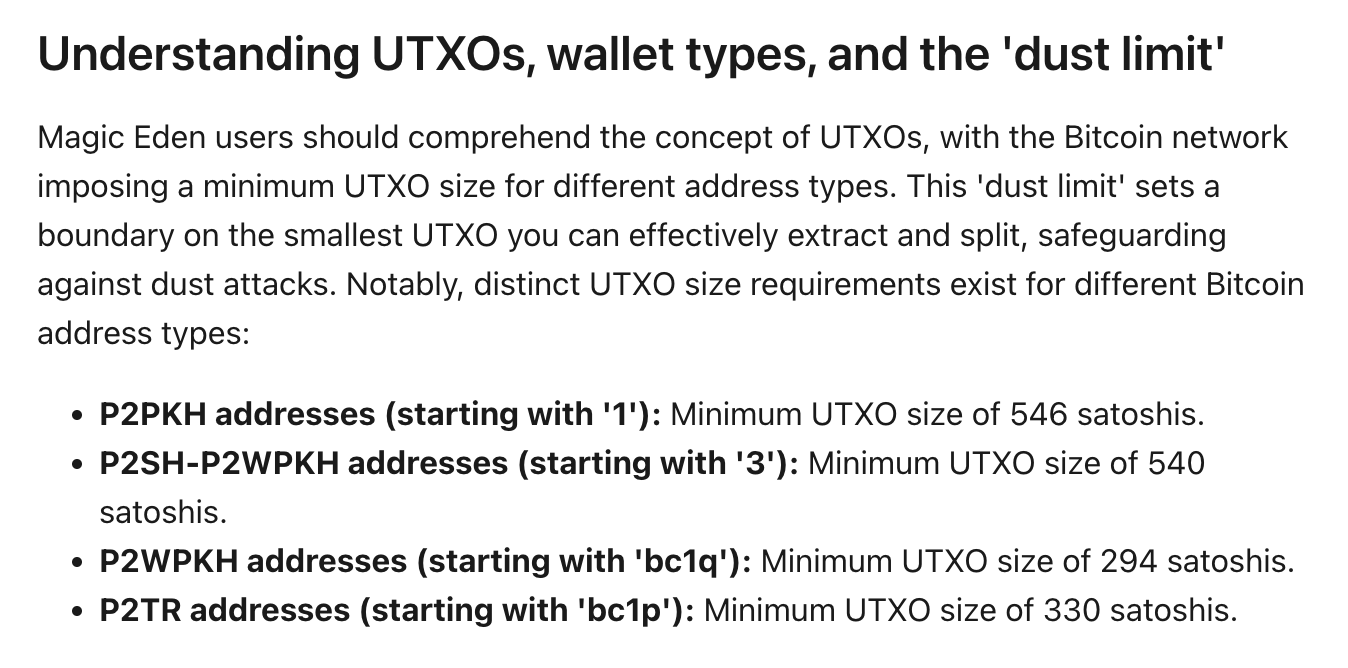
There are a few different types of Bitcoin addresses. Each has its own format. Let’s learn a bit more about each:
- P2PKH (Pay-to-PubKey Hash) addresses start with a ‘1’.
- P2SH (Pay-to-Script Hash) addresses start with a ‘3’.
- Bech32 addresses start with ‘bc1’ and are for SegWit use.
It’s important to know these types because some wallets and services might only support certain address formats.
Determining The Limits
Determining the Limits of Bitcoin addresses is critical for understanding the cryptocurrency’s network capacity and scalability. As users transact in Bitcoin, they often ponder the maximum number of addresses the system supports. Let’s dive into the details and unfold the mathematics and the network’s capabilities.
Maximum Capacity Of The Network
The Bitcoin network can support an immense number of unique addresses. This is thanks to its address generation process. Each address is a 26-35 character alphanumeric string, and all potential combinations result in a vast quantity of possible addresses. In practice, the number is so high that each person on Earth could own multiple addresses without ever running out.
The Mathematics Of Address Generation
The process to create Bitcoin addresses involves complex mathematics. These calculations ensure that every address is unique. Bitcoin uses specific cryptographic functions, such as SHA-256 and RIPEMD-160. This ensures a high level of security. Here’s a simple breakdown:
- A private key generates a public key.
- The public key undergoes two layers of hashing.
- Checksum and network byte added for extra security and differentiation.
- The result is encoded using Base58Check, producing a Bitcoin address.
The total possible Bitcoin addresses calculate through a formula involving powers of the number of characters used. For the technically curious:
58^34 (minimum length) to 58^35 (maximum length)
This range represents the Bitcoin protocol’s design limits, offering a robust platform with more addresses than grains of sand on Earth.
Safety And Security Concerns
Understanding the safety and security of Bitcoin addresses is vital. Bitcoin offers control over money, but with great power comes great responsibility. Below, we delve into address reuse and how to boost your security.
Address Reuse Issues
Bitcoin addresses should not be used more than once. Address reuse exposes transaction patterns. This might help hackers guess who owns the address. Always generate a new address for new transactions.
Practical Approaches To Enhance Security
Boosting your Bitcoin security isn’t tough. Follow these steps:
- Use a hardware wallet: These wallets keep private keys offline.
- Set complex passwords: Choose strong, unique passwords for every wallet.
- Enable two-factor authentication (2FA): 2FA adds an extra security layer.
- Keep software updated: Always use the latest wallet software versions.
- Backup your wallet: Make regular backups and store them in a secure location.
By following these practical steps, you can significantly enhance the security of your Bitcoin transactions.
Real-world Implications And Future
The realm of cryptocurrency, particularly Bitcoin, isn’t just a digital curiosity. It’s an evolving landscape that reflects on everything from daily transactions to global finance. Its future and real-world applications depend partly on one crucial aspect: Bitcoin addresses. These addresses are the cornerstone of transactions, impacting how Bitcoin scales up and adapts to the user’s needs.
Impact On Bitcoin Scalability
Bitcoin addresses are essential in managing transactions on the network. The blockchain can process more transactions as more addresses get used. A key metric in evaluating Bitcoin’s practicality for widespread use is its scalability, or its ability to handle an increasing number of transactions. Here we explore the potential effects:
- Higher address count indicates greater transaction capacity.
- A limit on addresses could mean limits on Bitcoin’s scalability.
- Growth in addresses can lead to more efficient blockchain technology.
But can we run out of Bitcoin addresses? Theoretically, the limit is vast: 2160, or over 1 quindecillion possible addresses. This number is so large it’s unfathomable by human minds and virtually guarantees that we won’t exhaust addresses anytime soon.
Evolving Standards And Addresses
Bitcoin doesn’t stand still. Its address system evolves to meet demands for better security and efficiency. The network started with P2PKH addresses, then moved to P2SH, and now is adopting Bech32 addresses for SegWit transactions. The impact of evolving addresses includes:
- Reinforced security protocols.
- Reduced transaction fees with SegWit.
- Improved address formatting for better error detection.
As Bitcoin’s technology shifts, so does the user experience. Address evolution ensures Bitcoin stays relevant and addresses the future needs of its user base. Developers continue to craft solutions that will pave the way for greater adoption and implementation in everyday transactions around the world.
Frequently Asked Questions
How Many Bitcoin Addresses Can I Have?
You can have an unlimited number of Bitcoin addresses. Each transaction can generate a new address to enhance privacy and security.
Are There Infinite Bitcoin Addresses?
Yes, there are practically infinite Bitcoin addresses, with 2^160 possible combinations, ensuring a vast number of unique addresses.
Is It Possible To Run Out Of Bitcoin Addresses?
It’s virtually impossible to run out of Bitcoin addresses due to their massive quantity, with 2^160 possible combinations ensuring ample supply for all users.
Conclusion
To wrap up, Bitcoin’s protocol defines a theoretical limit of approximately 2^160 unique addresses. This astronomical number assures users of virtually unlimited, distinct destinations for transactions. Understanding this vast capacity helps demystify Bitcoin’s intricate framework. Remember, the security of your assets hinges on using addresses wisely.
Embrace the power and breadth of Bitcoin’s network with confidence.