


Yes, moving your cryptocurrency to a wallet can enhance security. A self-custodial wallet gives you direct control over your assets.
Storing cryptocurrency in a personal wallet is a strategic decision that crypto enthusiasts often consider for its advantages in security and control over your digital assets. It removes reliance on third-party exchanges that may be vulnerable to hacks or outages, potentially putting your investment at risk.
By utilizing a private wallet—either software or hardware—you retain sole access to your private keys. This practice is crucial for long-term holders and those with significant investments, as it offers peace of mind with layers of security that exchange wallets may not provide. Always ensure you understand the responsibility that comes with managing a private wallet, including keeping your keys secure and backups in place.
Risks Of Not Using A Crypto Wallet
Entering the crypto space ignites a flurry of decisions, and one paramount choice is where to store digital assets. Many default to the convenience of exchanges, but overlooking the use of a dedicated crypto wallet could expose investors to critical risks. Below, explore the hazards tied to forgoing a secure wallet for cryptocurrency holdings.
Understanding The Risks Of Crypto Exchanges
Crypto exchanges may seem like a one-stop-shop for trading and storing digital currencies, but this ease can come at a hefty price. Being online platforms, they inherently possess risks associated with internet accessibility:
- Custodial control: Exchanges hold your private keys, meaning you’re not the sole owner of your crypto.
- Regulatory uncertainty: Changes in legal landscapes may affect how exchanges operate or interact with your assets.
- Limited access: High traffic or technical issues can lock you out of your account at critical moments.
Cybersecurity Threats And Exchange Vulnerabilities
Cyber threats are evolving rapidly, with exchanges being prime targets for cybercriminals. Weak security protocols and software flaws can lead to unauthorized access to user accounts. The potential fallout includes:
- Funds being stolen directly from user wallets.
- Personal information breaches leading to identity theft.
- Phishing scams tricking users into revealing sensitive credentials.
Real-life Incidents Of Digital Asset Theft From Exchanges
The crypto world has witnessed significant thefts shaking investor confidence. These real-life incidents underscore the crucial nature of personal security measures:
| Year | Exchange | Amount Stolen (Approx.) |
|---|---|---|
| 2014 | Mt. Gox | 850,000 BTC |
| 2016 | Bitfinex | 120,000 BTC |
| 2018 | Coincheck | 523 Million NEM |
Each incident reminds the crypto community of the vulnerability of centralized platforms and the consequent importance of self-custody via a secure crypto wallet.
Should I Pull My Crypto In A Wallet?
Storing your digital currency in a secure environment is crucial to not only safeguard your investment from cyber-attacks but also to give you peace of mind. Deciding to pull your cryptocurrency into a wallet is the first step towards taking complete control over your digital assets. Discover the pros and cons of the different types of wallets available, and why maintaining a stronghold over your private keys is a strategic move for any crypto holder.
Comparing hot wallets (online) versus cold wallets (offline)
Comparing Hot Wallets (online) Versus Cold Wallets (offline)
Selecting the right type of wallet depends on your specific needs and the level of convenience versus security you are aiming for. Let’s dive in:
| Hot Wallets (Online) | Cold Wallets (Offline) |
|---|---|
| Accessible via internet-connected devices like computers or smartphones | Stored offline in hardware or paper wallets, immune to online hacking attempts |
| Ideal for frequent traders and small amounts for daily use | Best for holding large amounts or long-term investment |
| Convenient but potentially vulnerable to security breaches | Higher security but less convenient for quick transactions |
Advantages of maintaining direct control over your private keys
Advantages Of Maintaining Direct Control Over Your Private Keys
When you pull your crypto into a wallet for which you control the private keys, you gain the following benefits:
- Exclusive ownership: You become the sole owner of your digital assets.
- Enhanced security: Reduced chances of exchange hacks affecting your funds.
- Freedom: You’re free to transfer or trade your assets without relying on third-party services.
How wallets offer enhanced security measures against unauthorized access
How Wallets Offer Enhanced Security Measures Against Unauthorized Access
Wallets are designed to protect your cryptocurrency investment. Here’s a look at how they keep your digital wealth safe:
- Encryption technology ensures your wallet data is secure.
- Most wallets require a secure PIN or password for access.
- Hardware wallets offer an extra layer of security with physical buttons for transaction verification.
- Many include features like two-factor authentication (2FA) and multi-signature options.
- Dedicated backup options to recover your funds in case of device loss or failure.
Wallet Varieties And Their Security Features
Securing your cryptocurrency investments involves selecting the right wallet to store your digital assets. Each wallet variety comes with unique security features designed to protect your holdings from unauthorized access and potential cyber threats. Understanding these differences is paramount in choosing the most secure and convenient option for your needs.
Overview of the most trusted hardware and software wallets
Overview Of The Most Trusted Hardware And Software Wallets
Hardware wallets provide robust security by storing cryptocurrencies offline, making them less susceptible to hacking. They look like USB devices and are highly recommended for large holdings. The most trusted brands in the market are:
- Ledger Nano X – Known for its Bluetooth connectivity feature and ability to manage multiple cryptocurrencies.
- Trezor Model T – Offers a touch screen interface and supports a wide range of digital assets.
- KeepKey – Emphasizes simplicity and an intuitive interface, alongside bank-grade security measures.
Software wallets, on the other hand, are applications that can be installed on computers or smartphones. They offer convenience but are generally considered less secure than hardware wallets because they are connected to the internet.
- Exodus – Popular for its user-friendly interface and broad currency support.
- Electrum – Favored for its speed and minimalistic approach, ideal for Bitcoin users.
- MyEtherWallet – Best for Ethereum users looking for an open-source wallet with extensive tools and features.
Evaluating encryption methods and backup strategies
Evaluating Encryption Methods And Backup Strategies
Assessing wallet security involves looking at the encryption standards they employ. Two-factor authentication (2FA), multi-signature wallets, and hierarchical deterministic (HD) structures are leading features for protecting assets. These layers of security ensure that even if one component gets compromised, your assets remain secure.
Implementing a reliable backup strategy is equally critical. Most hardware wallets offer a recovery seed phrase, usually consisting of 12 to 24 words that you can use to regain access to your cryptocurrencies in case your wallet gets lost or damaged. Understanding and securely storing your seed phrase cannot be overstated in importance.
Importance of user-friendly interfaces for effective management
Importance Of User-friendly Interfaces For Effective Management
A complex wallet interface can lead to errors, potentially compromising security. Wallets with a user-friendly design are crucial, enabling efficient management of your digital assets without compromising on security. Aspects such as clear navigation, transaction history, easy access to backup options, and straightforward instructions contribute to an effective user experience.
Regular software updates are also a necessity, fixing vulnerabilities and adding new features that enhance both usability and security. Opting for wallets that maintain a regular update schedule signals a commitment to security and user satisfaction.
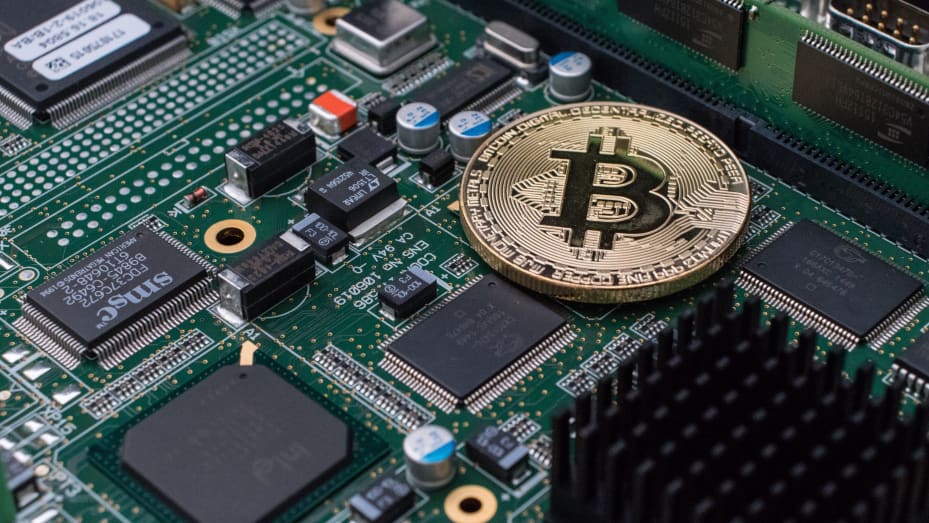
Credit: www.cnbc.com
Safely Transitioning To Your Selected Wallet
Safely Transitioning to Your Selected Wallet is crucial when managing your cryptocurrency assets. A digital wallet not only serves as your personal interface to the blockchain but also provides security for your investments. The convenience of accessibility coupled with enhanced security measures makes the decision to move your crypto into a wallet a wise one. Below, you’ll discover a detailed guide on how to handle this transition smoothly, maintain robust security protocols, and uphold the integrity of your digital assets long-term.
Step-by-step Process On Securely Transferring Crypto Assets
- Choose Your Wallet: Select a wallet that supports the specific cryptocurrencies you own and aligns with your security needs. Options include hardware wallets, software wallets, and paper wallets.
- Secure Your Environment: Before you transfer, ensure your computer and network are secure. This includes using antivirus software, a secure Wi-Fi connection, and making sure your system is free from malware.
- Backup Your Wallet: Backup your wallet’s recovery phrases and private keys. Without this, losing access to your wallet means losing your assets.
- Transfer a Small Amount First: Before transferring all your assets, send a tiny amount of crypto to confirm that everything works as expected.
- Verify the Transaction: Double-check the recipient address and the transaction on the blockchain using a public explorer.
- Full Transfer: Once satisfied with the test transaction, proceed to transfer the rest of your crypto assets to your new wallet.
Best Practices In Key Storage And Password Management
- Create Strong Passwords: Utilize complex passwords and avoid using the same password across different platforms.
- Use a Password Manager: Implement a password manager to keep track of your passwords securely.
- Multi-Factor Authentication: Activate multi-factor authentication wherever possible for added security.
- Store Recovery Phrases Offline: Keep your recovery phrases in a secure, offline place like a safe or locked drawer.
- Multiple Backups: Create multiple backups of your wallet’s recovery information and store them in separate, secure locations.
Long-term Considerations For Overseeing Your Crypto Wallet Security
Maintaining long-term security of your crypto wallet involves regular updates and vigilance.
- Regularly Update Software: Keep your wallet’s software and related applications up to date with the latest security patches.
- Stay Informed: Keep abreast of the latest security threats and best practices within the crypto community.
- Periodic Security Audits: Periodically review your security practices, backup statuses, and wallet integrity.
- Consider a Multi-Signature Wallet: For added security, especially if managing substantial assets, look into multi-signature wallets that require more than one key to authorize a transaction.
- Succession Planning: Think about the future and how your assets will be managed in case of an unforeseen event, ensuring you have a trusted person who knows how to access and manage your wallet if necessary.
Frequently Asked Questions For Should I Pull My Crypto In A Wallet?
Is A Crypto Wallet Necessary For Safety?
A crypto wallet is essential for heightened security. It stores private keys offline, making them inaccessible to online hacks. This personal control mitigates risks associated with exchanges.
How Do Crypto Wallets Enhance Security?
Crypto wallets safeguard assets by encrypting private keys. This prevents unauthorized access and offers protection against online theft, phishing, and exchange vulnerabilities.
What Are The Types Of Crypto Wallets Available?
There are two main types: hardware wallets, which are physical devices storing keys offline, and software wallets, which are applications that can be desktop or mobile-based.
Can You Store All Cryptocurrencies In One Wallet?
Not all wallets support every cryptocurrency. However, many multi-currency wallets exist, allowing you to store diverse assets in a single place.
Conclusion
Deciding to store your cryptocurrency in a wallet is smart for security and control. It’s a personal choice, grounded in a balance of convenience and safety. As we’ve explored, wallets offer distinct advantages over exchanges. Always remember, your investment’s safety should be paramount.
Choose wisely for peace of mind.